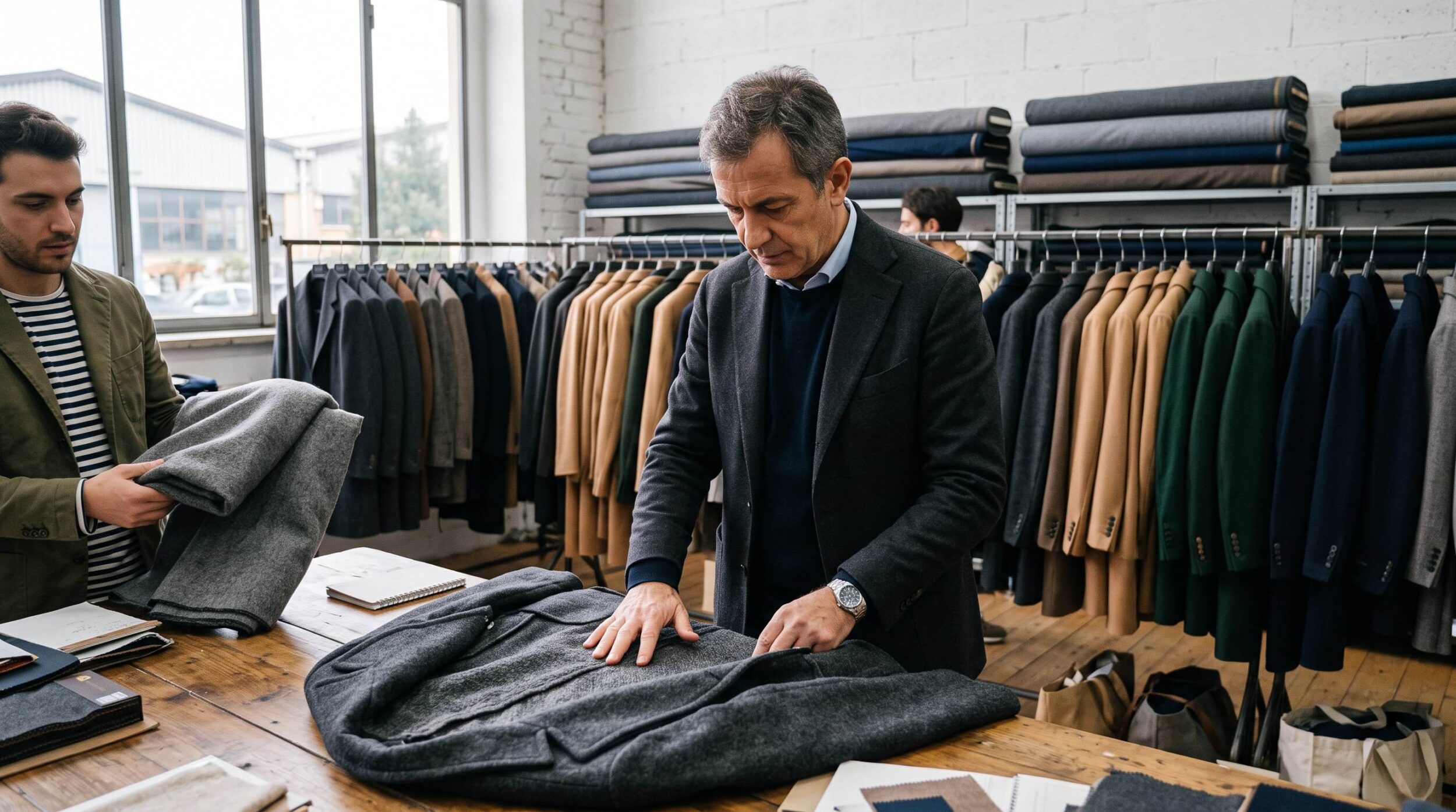
Prato’s textile heritage goes back to the Middle Ages. Its mills were originally famous for wool and recycled fabrics, but over time linen also became part of the district’s expertise. In fact, “Prato has been a hub for weavers since the Renaissance, and remains the largest producer in the country,” with ongoing innovation in both wool and linen fabrics. This long tradition means local mills combine artisanal skill with modern machinery – a blend of tradition and innovation that produces fabrics of unique quality. Today Prato’s mills can turn premium flax fiber into high-end linen weaves that are prized in fashion and home textiles.
Historical Roots of Prato’s Linen Industry
Prato’s rise as a textile center was driven by geography: abundant water and access to raw wool, then later cotton and other fibers. By the 19th century it was known for military woolens; in the 20th century it became a global hub for clothing fabrics. While wool and recycled fibers made Prato famous, linen has also been woven here for a long time. Even 17th‑18th century inventories mention linen cloth in Prato’s workshops. In fact, marketing archives note that Prato’s innovation has “especially in wool and linen, produce textures and styles found nowhere else”. This suggests that as Prato’s mills modernized (mechanized looms in the 1870s, for example), they incorporated linen into their product range. The result is a district with centuries of experience handling flax-based yarns alongside wool and cotton.
Over the decades Prato companies developed specialized skills: they learned to blend linen with other fibers, to shrink-proof and soften linen through fulling and finishing, and to weave both coarse and fine linen cloth. The Museo del Tessuto in Prato (textile museum) documents many historic linen samples alongside silk and wool. In short, Prato’s textile story includes linen at every stage – from antique linen yardage to today’s high-tech fabrics.
Linen Fabrics and Blends Produced in Prato
Modern Prato mills offer an extensive palette of linen fabrics, both 100% linen and linen blends. Examples include:
- 100% Linen canvases and shirtings: Plain-woven, Yarn-Dyed Canvas linen at ~210 g/m² is common, prized for drapery and upholstery. (Local mills often stock tens of thousands of meters of canvas in neutral or dyed colors.)
- Linen-blend weaves: It’s common to blend linen with cotton, silk or wool. For example, tailoring jacquards (80% linen/20% cotton) are made on Prato’s sophisticated looms. Linen–silk blends (for suits and dresses) and linen–wool blends are also produced for luxury menswear and women’s suiting.
- Linen jerseys and knits: Prato stock houses carry 100% linen jerseys (~200–350 g/m²) and even double-face linen jerseys. These knits are used for high-end T-shirts, dresses and knitwear (think ladies clothing wholesalers Italy sourcing soft linen tops or dresses).
- Specialty finishes: Besides plain and jacquard weaves, Prato companies make embroidered or printed linen fabrics on demand. Many mills offer linen devoré (burnout) fabrics, or chenille/lurex yarns woven into linen bases.
These examples show linen’s versatility in Prato. From heavy-duty linens for home textiles to fine lightweight linings, Prato suppliers cover the gamut. Retail buyers can find both classic 100% linen cloth and trendy new blends. Buyers of Italian wholesale clothing benefit from this range: linen from Prato can suit everything from casual summer dresses to tailored suits or luxury home linens. (See [linen fabric Prato] in online catalogs to browse actual products.)
Innovations in Linen Finishing, Dyeing, and Sustainability
Prato is not just about weaving; its companies excel in finishing and dyeing technology too. Local finishing houses (some certified GOTS/GRS/RWS, etc.) use advanced machinery to enhance linen’s qualities sustainably. For example, Prato firm Biancalani developed the AIRO®24 tumbler and AQUARIA® continuous washer specifically for linen and blended fabrics. These systems do more than fluff cloth – they use air and water to bio-bleach and soften linen without harsh chemicals. The AQUARIA® eco-bleaching process removes impurities with a biological bleach (no caustic soda or chlorine) while saving water. Similarly, the AIRO®24 tumbler uses mechanical tumbling with air to relax linen fibers, giving the fabric a soft, silky hand while keeping its natural strength. These innovations reduce chemical softeners and energy usage, yielding linen that is gentler on the planet.
Prato finishers (like Rifinizione Alan, Ala S.p.A., etc.) emphasize sustainability alongside quality. Many adhere to ZDHC (zero discharge of hazardous chemicals) and run their own wastewater treatment on site. They dye and finish linen in small batches, enabling custom colors on demand (including eco-friendly pigment dyes). Buyers can request things like enzyme washes for softness, hydrophobic coatings for linen, or Oeko-Tex/GOTS dyeing. In short, Prato’s finishing expertise means linen from here can meet any specification – from OEKO-TEX® or RCS standards to low-impact metal-free dyeing.
All of these capabilities flow from Prato’s innovative mindset. Local R&D labs and textile machinery firms continually update processes: the Biancalani example is just one of many. The net effect is that “softer and more durable fabrics are produced choosing an eco-friendly approach,” resulting in linen fabrics that are much appreciated in the apparel and home furnishing businesses. In other words, Prato keeps linen modern – preserving its texture and strength with cutting-edge tech.
Linen in Italian Fashion Wholesale & Pronto Moda Supply Chains
Italian fashion (and pronto moda fast-fashion) relies heavily on Prato as a sourcing hub. Linen is seasonal (spring/summer) but important: it’s a natural fiber with heritage prestige. Italian ready-to-wear brands and wholesalers use linen for breezy dresses, lightweight tops, resort wear and summer suits. For example, many ladies’ clothing wholesalers in Italy include linen dresses and blouses in their spring lines, touting “Made in Italy” linen for its quality. In menswear, Italian labels often use linen-cotton and linen-silk blends for lightweight suiting sold to boutique retailers.
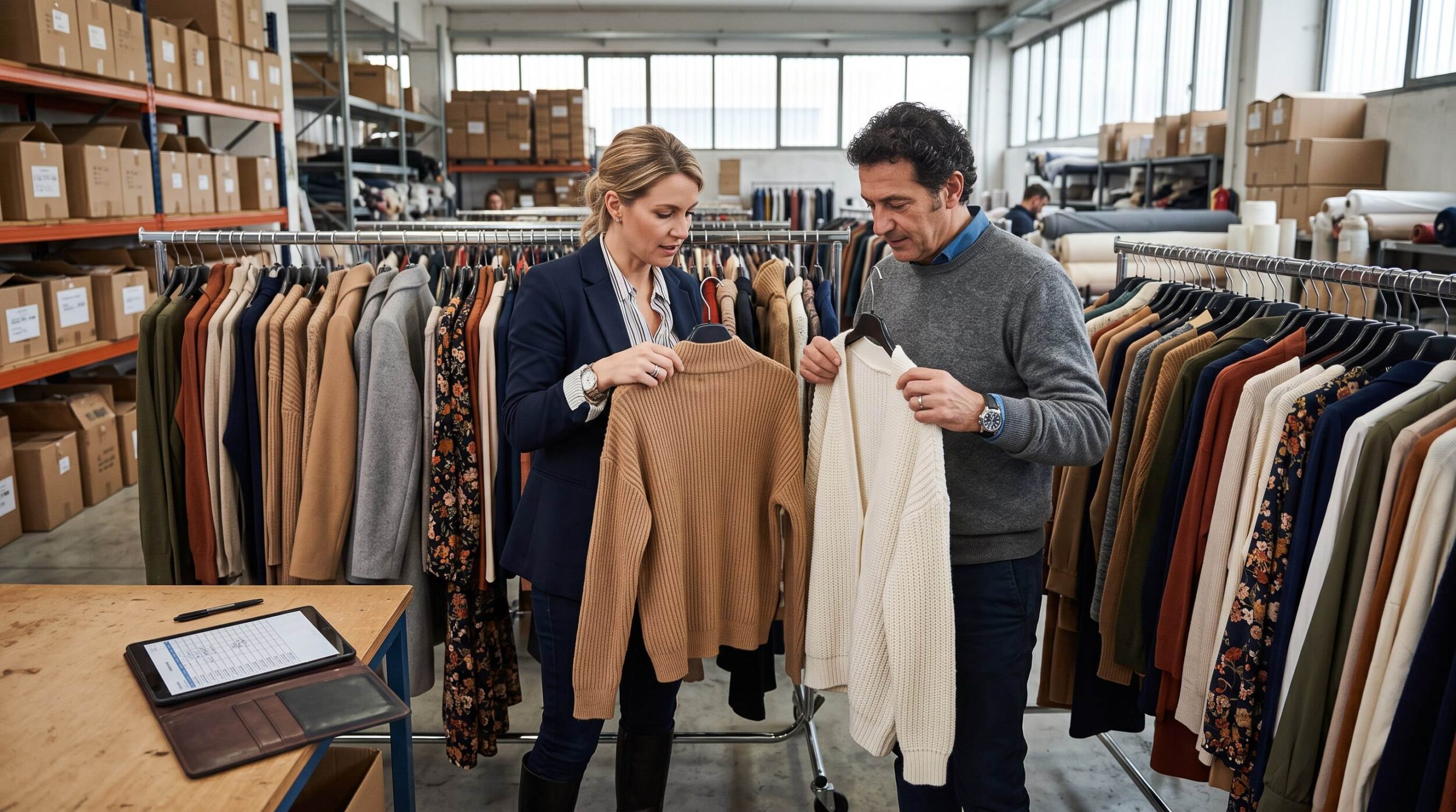
Why Prato? Because Prato’s ecosystem is fast and responsive. Pronto moda (quick-turnover fashion) needs small minimums and quick delivery. Thanks to decades of specialization, Prato vendors can run orders as low as 100–200 meters on custom wovens or knits. And an agent like Italian Fashion Sourcing can coordinate it all: they pre-select mills that match a buyer’s style and budget, gather samples, and even do live video showrooms during “purchasing sessions”. The result is that boutique buyers can buy linen clothing wholesale (i.e. dresses, suits, etc.) right from Prato without stepping into Italy. Italian Fashion Sourcing consolidates orders from multiple vendors into a single shipment and invoice, simplifying logistics. This means a small retailer anywhere (Dubai, Stockholm, New York) can source a dozen custom linen garments from different Prato suppliers through one partner.
In practical terms, linen is valued in Italian wholesale clothing precisely because of this service model. Retailers can tap the “Italian fashion wholesale” network and get authentic Italian linen textiles and ready garments. Italian Fashion Sourcing’s team “familiarity with all the main wholesalers and manufacturers” in Prato means they know which factories have excess stock, or who can do small runs of linen fabric for private labels. They also handle customs clearance, which is a big plus for overseas buyers dealing with multiple Italian vendors. All this makes the Prato linen supply chain very attractive to boutiques and chains that sell Italian (especially summer) fashion.

International Demand Trends for Linen
Global demand for linen has been growing steadily. Environmental awareness and fastidious quality preferences mean more retailers seek out natural fibers. According to industry reports, the clothing/apparel segment already accounts for 40% of linen’s global market share. Consumers in Europe and North America prize linen for its breathability, moisture-wicking and hypoallergenic properties, especially in warm-season wear. In fact, Europe leads the push: a report notes European consumers “are among the most environmentally conscious with a growing preference for sustainable textiles,” boosting linen apparel demand. In other words, markets like Scandinavia (Nordic countries) and central Europe are increasingly buying linen dresses, shirts and suits for this reason.
Demand is also rising in luxury markets. In the Middle East (e.g. Dubai/UAE and Saudi Arabia), higher disposable incomes and booming fashion retail have spurred premium linen sales. Recent data show “rising disposable incomes and luxury retail growth are driving demand for premium linen products, especially in the UAE and Saudi Arabia”. UAE retailers import fine linen fabrics and garments for both resort wear and modest fashion lines (linen is breathable for hot climates). Likewise, North American retailers have not ignored linen. (For example, industry figures note that Fruit of the Loom controls about 10% of the North American linen apparel market.)
Overall, international linen trends favor sustainable, high-quality suppliers – which Italy can deliver. Buyers in the USA, Europe, and even emerging markets (Asia/Africa) are all expanding linen imports. Market forecasts highlight opportunities in the US and EU (where premium linen clothing is seen as a luxury or eco-friendly option), as well as growth in Asia/Africa (urbanizing populations wanting green fashion). For Italian Fashion Sourcing clients, this means their linen products from Prato are in demand worldwide – whether it’s high-end linen dresses for a Dubai boutique or Scandinavian home linens.
Strategic Advantages of Sourcing Linen via Italian Fashion Sourcing
What sets Italian Fashion Sourcing apart in the linen market? There are several strategic advantages:

- In-depth local expertise: The team knows Prato’s ecosystem intimately – “all the main wholesalers and manufacturers” – so they can match clients to the best linen suppliers. They understand price benchmarks, fabric characteristics, and seasonal trends, helping buyers source the right linen items through comprehensive italian fashion services.
- Streamlined buying process: As noted, IFS handles the entire purchase journey. After an initial needs assessment, they do scouting and then run a live purchasing session, showing fabrics and garments via video. They consolidate purchases into one invoice and parcel, and even manage customs paperwork. This one-stop service is a huge time-saver for busy buyers.
- Quality control and customization: Because IFS works closely with Prato mills, they can ensure high standards (e.g. authentic linen, proper finishing). If a retailer needs a custom linen shade, fabric weight or blend, IFS can coordinate production or special orders, including Made in Italy production garments.
- Sustainability assurance: Many Prato suppliers are certified for eco-friendly processes. Sourcing through IFS means buyers can verify a product’s sustainability credentials (GOTS, Oeko-Tex, recycled content, etc.). Emphasizing sustainability helps B2B buyers (who often face consumer scrutiny on green credentials).
In sum, working with Italian Fashion Sourcing gives retailers a strategic connection to Prato’s linen industry. They tap into centuries of expertise (Prato remains “a shining example of excellence in the textile industry”) plus cutting-edge production. For any boutique or wholesaler looking to buy linen clothing wholesale, whether it’s 100% linen dresses, tailored linen suits, or home textiles, Prato offers superior Italian-made quality. And Italian Fashion Sourcing makes it practical and efficient to bring that quality to market through specialized sourcing and purchasing in Italy.
Conclusion
Linen in Prato embodies a blend of tradition and innovation. From its Renaissance-era looms to today’s advanced finishing lines, Prato has kept linen production at the forefront. The district produces a wide array of linen and linen-blend fabrics (canvases, jacquards, jerseys, and more) and uses sustainable finishing techniques that enhance linen’s natural qualities. Global trends – from eco-conscious European consumers to luxury seekers in Dubai – are driving demand for premium linen products. For fashion retailers and wholesalers, sourcing linen through Prato means tapping into this heritage and quality. Italian Fashion Sourcing leverages local connections and expertise to make that sourcing both easy and reliable. The result is a strategic advantage: buyers gain access to the finest linen fabric Italy has to offer, with the support of a trusted Italian clothing supplier. In a competitive wholesale clothing Italy market, that combination of excellence and service truly sets Prato linen apart.