
Prato, located near Florence, is the beating heart of Italian fashion wholesale. This sprawling district is home to thousands of Italian clothing suppliers – from high-end textile mills to fast-fashion garment warehouses. For boutique owners and startup brands from the USA to the UAE, Prato fashion sourcing offers an enticing opportunity to buy Italian fashion wholesale for their stores. However, the process can be challenging to navigate without the right preparation. Success in Prato isn’t just about finding great styles; it’s about avoiding common mistakes that can turn a promising buying trip into a costly misadventure. Below, we break down the top 10 mistakes international buyers often make in Prato – and how you can steer clear of them.
1. Skipping Initial Research and Planning
Diving into Prato’s vast wholesale market without proper homework is a recipe for frustration. With around 7,000 fashion businesses operating in the area, showing up without a plan can leave you overwhelmed. Many first-time buyers don’t understand how the Prato fashion district works – from its pronto moda (fast fashion) system to its mix of manufacturers and importers. To avoid this, do your homework on Prato’s market structure and seasonal cycles. Read up on how the local wholesale system operates (see our guide on Prato’s fashion district and how it works) and define your goals before you arrive. Going in with a clear target (e.g. product types, quality level, budget) will help you focus on the right suppliers instead of wandering aimlessly. In short, a solid plan and market research will save you time and ensure you hit the ground running.
2. Not Vetting Suppliers Thoroughly
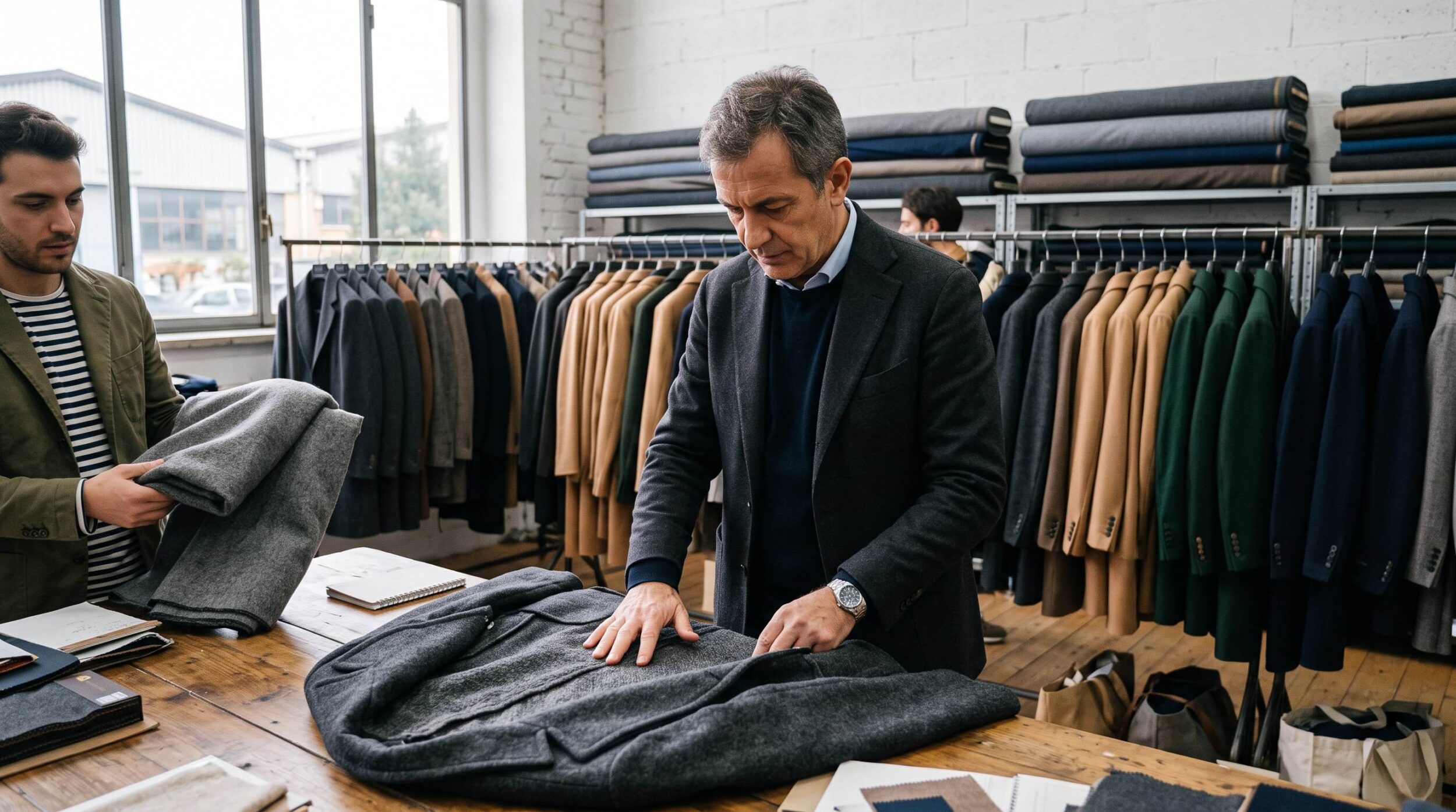
One of the biggest mistakes is rushing into deals without due diligence. Prato has an abundance of vendors, and not all of them will meet your standards. New buyers sometimes take the first attractive offer or assume any wholesaler in Italy must be reputable. In reality, failing to research suppliers thoroughly can lead to quality issues, delivery problems, or even fraud. Always verify who you’re dealing with. Check a supplier’s business credentials, ask for client references, and if possible, visit their showroom or factory. Look for signs of reliability – such as consistent quality, transparent communication, and on-time delivery records. It’s wise to partner with a sourcing agent in Italy or use local contacts who know the reputations of various Prato wholesalers. Taking the time to vet each supplier will help you avoid unscrupulous middlemen and ensure you’re working with legitimate Italian clothing suppliers that deliver on promises.
3. Ignoring Minimum Order Quantities and Terms
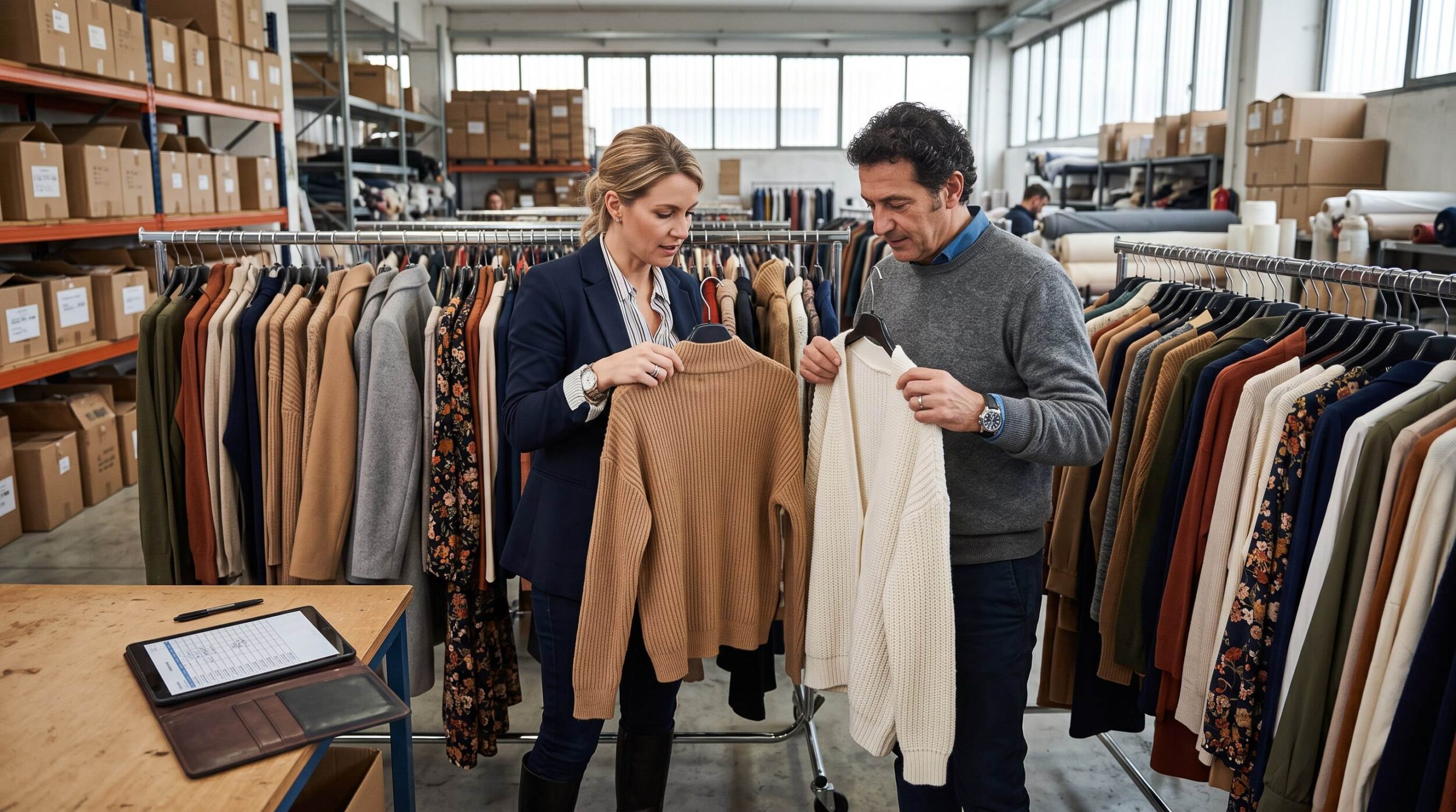
Another common pitfall is misunderstanding minimum order requirements. Many Prato wholesalers and factories have Minimum Order Quantities (MOQs) or specific purchasing terms that international buyers might not anticipate. For example, a vendor might require you to buy a certain number of pieces per style or a minimum total spend. Ignoring MOQs and payment terms can result in awkward surprises – such as having to buy far more stock than you planned, or straining your cash flow with large deposits. To avoid this mistake, always ask about the MOQ and terms upfront. If you’re a small boutique, seek out suppliers known for lower minimums or more flexibility (one advantage in Prato is that some manufacturers offer production runs starting around 100 pieces – much lower than typical Asian factories). Calculate what you truly need and can afford before committing. By planning around MOQs and negotiating reasonable terms (like staggered payments or mixed-size packs), you’ll prevent overstocking and protect your budget.
4. Prioritizing Price Over Quality
Chasing rock-bottom prices in Prato can backfire. While everyone loves a good deal, focusing only on price at the expense of quality is a major mistake. Prato’s markets range from premium wool suits to ultra-cheap fast-fashion pieces – and quality varies accordingly. Some international buyers get lured by very low prices and end up with merchandise that disappoints their customers. Remember that your reputation is tied to the products you sell. Assuming all wholesale clothing is good quality just because it’s from Italy is risky. A smart buyer will balance cost with quality control: always inspect samples or test orders before buying in bulk. Check fabric feel, stitching, and fit for any garment you intend to stock. If you’re not physically present, request detailed photos or video calls to examine items closely. It’s also prudent to set clear quality standards with your suppliers in writing. In short, don’t let a bargain blind you – ensure the quality meets your brand’s expectations before scaling up an order.
5. Assuming “Made in Italy” Guarantees Perfection
Many newcomers believe that a “Made in Italy” label is a guarantee of high quality and ethical production. In a perfect world, it would be – but the reality is more complex. Prato’s district does offer authentic Made in Italy fashions, but buyers should be aware that not everything is handcrafted by artisans in a Tuscan workshop. The region’s success in fast fashion means some products are made under intense cost pressures, occasionally involving subcontractors or immigrant labor. Recent industry investigations have tainted the idea that ‘Made in Italy’ automatically means high quality or fair practices. In fact, a significant portion of Prato’s factories are run by a Chinese-Italian network, blending local craftsmanship with imported efficiencies. Does this mean you won’t find superb quality in Prato? Not at all – you absolutely can. But don’t rely on the label alone. Verify the origin of materials, ask about production conditions, and get to know your manufacturer. Ensure that Made in Italy item truly meets the standards you expect. By staying alert and choosing reputable suppliers, you’ll enjoy the genuine quality Prato is known for – and avoid any knock-offs or unpleasant surprises hiding behind a prestigious label.
6. Overlooking Language and Cultural Gaps
Navigating Prato’s wholesale scene isn’t just about business terms – it’s also about communication. Language barriers and cultural differences can trip up international buyers who aren’t prepared. In Prato, you’ll encounter many family-run Italian businesses and also a large Chinese community of wholesalers. Italian is the primary language, and Mandarin Chinese is common among certain supplier circles. Assuming everyone will speak English is a mistake that can lead to misunderstandings on pricing or product details. Similarly, Italian business culture may involve more relationship-building and face-to-face interaction than what some foreign buyers are used to. To avoid this pitfall, take steps to bridge the language gap. Consider hiring an interpreter for in-person visits, or work with a bilingual sourcing agent (Italy-based) who can liaise on your behalf. Even a few key phrases in Italian (or having translated materials) can show respect and smooth the process. Be mindful of cultural etiquette too – for instance, Italians appreciate polite greetings and a bit of rapport before diving into business. By being patient and culturally aware, you’ll build better relationships. Remember that strong communication is part of what makes a deal successful. As experts note, partnering with local agents can help overseas buyers overcome language and cultural differences, ensuring products meet their expectations.
7. Neglecting Logistics, Shipping, and Customs
Buying the clothes is only half the battle – you also need to get them home. Underestimating logistics and import regulations is a frequent mistake, especially for buyers new to international trade. The cost of freight, customs duties, and taxes can significantly impact your bottom line if you haven’t budgeted for them. Some buyers focus on the factory price and forget about the added shipping and customs costs until the bill arrives. Another error is managing multiple small shipments from different suppliers, which can skyrocket your shipping expenses. For instance, if you buy from five Prato vendors independently, you might pay five sets of international shipping fees. Instead, look into consolidating shipments – combining goods into one bulk shipment can save a lot on freight and handling fees. Proper documentation is equally crucial: make sure you get all the necessary paperwork (commercial invoices, certificates of origin, etc.) so your goods clear customs smoothly in your home country. It’s wise to consult with a logistics provider or freight forwarder about the best shipping methods and to clarify who handles export formalities. By planning the logistics early – factoring in delivery times, freight options, insurance, and import duties – you can avoid costly delays or surprises. In fact, using an agency that consolidates orders and handles export paperwork can greatly simplify this process, letting you focus on selling the products rather than worrying about transport hassles.
8. Forgetting Market Trends and Customer Needs
Amid the excitement of Italian fashion finds, some buyers make the mistake of buying on personal taste or impulse rather than market data. Prato’s showrooms are filled with trendy pieces, but not every trend will resonate with your target customers. Neglecting market research – such as what styles, sizes, or colors your clientele actually wants – can leave you with unsold stock. For example, a boutique in Canada or Australia might require different seasonal assortments than what’s currently popular in Italy. It’s important to align your purchases with your customer preferences and seasonal needs. Many retailers who skip this step end up with mismatched inventory that doesn’t sell. To avoid this, do your homework on current fashion trends and analyze your past sales. If certain styles or sizes perform well for you, prioritize those when selecting from Prato’s offerings. Keep an eye on timing too – ensure the delivery of goods lines up with your season (remember that buying coats in late winter means they may arrive when cold weather is ending in your market). Prato’s pronto moda system excels at quick turnaround, but you still need to plan ahead for things like holiday sales or summer collections. In short, let data and demand guide your buying, not just your personal excitement. By selecting items that fit your niche and timing your orders wisely, you’ll maximize sell-through and customer satisfaction.
9. Unclear Payment Terms and Agreements
International buyers sometimes falter when it comes to payment terms and contracts. Perhaps you assume you can pay by credit card later, while the supplier expects a wire transfer before shipment. Or you don’t pin down what happens if an order is delayed or garments have defects. Not clarifying payment and agreement details can lead to disputes or financial hiccups. In Prato (and Italy in general), many wholesalers require a deposit to confirm an order, with the balance paid before goods leave the warehouse. Some may ask for full upfront payment, especially for first-time customers. These large upfront payments can strain your cash flow if you’re not prepared. Additionally, quotes might be given in euros – if your funds are in another currency, ignoring exchange rates and bank fees is another oversight. Always discuss and document the terms: What currency and method will you pay? When is payment due? Are there penalties for cancellations or changes? Who covers banking fees? Make sure you also agree on how and when the goods will be delivered. It’s best practice to get a simple contract or at least an email confirmation covering product details, quantities, price, delivery timeline, and Incoterms (e.g. EXW Prato or FOB if your forwarder handles pickup). By having clear payment terms and written agreements, you protect both yourself and the supplier from misunderstandings. And never hesitate to negotiate terms that balance each party’s risk – for example, splitting payments 50% upfront and 50% on delivery, if possible, or using escrow services for larger deals. Transparency up front goes a long way to prevent problems down the line.
10. Going Solo Without Local Support
Perhaps the most easily avoidable mistake is trying to navigate Prato all on your own. It’s tempting to just fly in and tackle the warehouses armed with enthusiasm and Google Translate – but the Prato ecosystem can be a maze for outsiders. The abundance of suppliers is a double-edged sword: without insider knowledge, you might miss the best vendors, encounter language issues, or pay higher prices than necessary. This is where engaging a local sourcing partner can make a world of difference. A knowledgeable agent or consultant in Prato already has familiarity with the main wholesalers and manufacturers, saving you days (or weeks) of trial and error. They can quickly direct you to the suppliers that fit your needs and budget, help negotiate on your behalf, and consolidate your purchases. Moreover, a local expert will ensure you avoid common traps like counterfeit “designer” goods or logistical nightmares, because they’ve seen it all before.
Working with a trusted local sourcing agent in Italy or even scheduling a guided buying trip can dramatically streamline your experience. It’s a bit like having a local fixer – they handle the legwork and troubleshooting so you can focus on selecting great products. Yes, it might involve a fee or commission, but consider it an investment to prevent costly mistakes. As our experience shows, a guided approach yields the best results for foreign buyers in Prato. When you have someone on the ground watching out for your interests, you’ll feel far more confident and get better outcomes from the Prato fashion district.
Conclusion
Prato’s wholesale clothing Italy scene offers incredible opportunities – from trendy pronto moda apparel to high-quality clothing production in Italy – but success hinges on avoiding these common pitfalls. By being well-prepared, detail-oriented, and culturally aware, international buyers can turn Prato into a thriving sourcing ground for their business. In summary: do your research, verify every partner, insist on quality, plan for logistics, and don’t hesitate to seek local expertise. Each mistake avoided is money and time saved, and a step closer to a smooth, profitable supply chain.
Finally, remember that you don’t have to go it alone. Our team at Italian Fashion Sourcing has helped many boutique owners and brands navigate Prato’s market efficiently and confidently. We offer comprehensive italian fashion services and specialized our buying service in Prato – from the first video interview to final delivery – ensuring you sidestep these mistakes and get the best of what Prato offers. Ready to source like a pro in Italy? Feel free to reach out to us or book an initial consultation to discuss your needs. With the right approach, you can tap into Prato’s rich fashion resources without the headaches – and watch your business flourish with authentic Italian style.