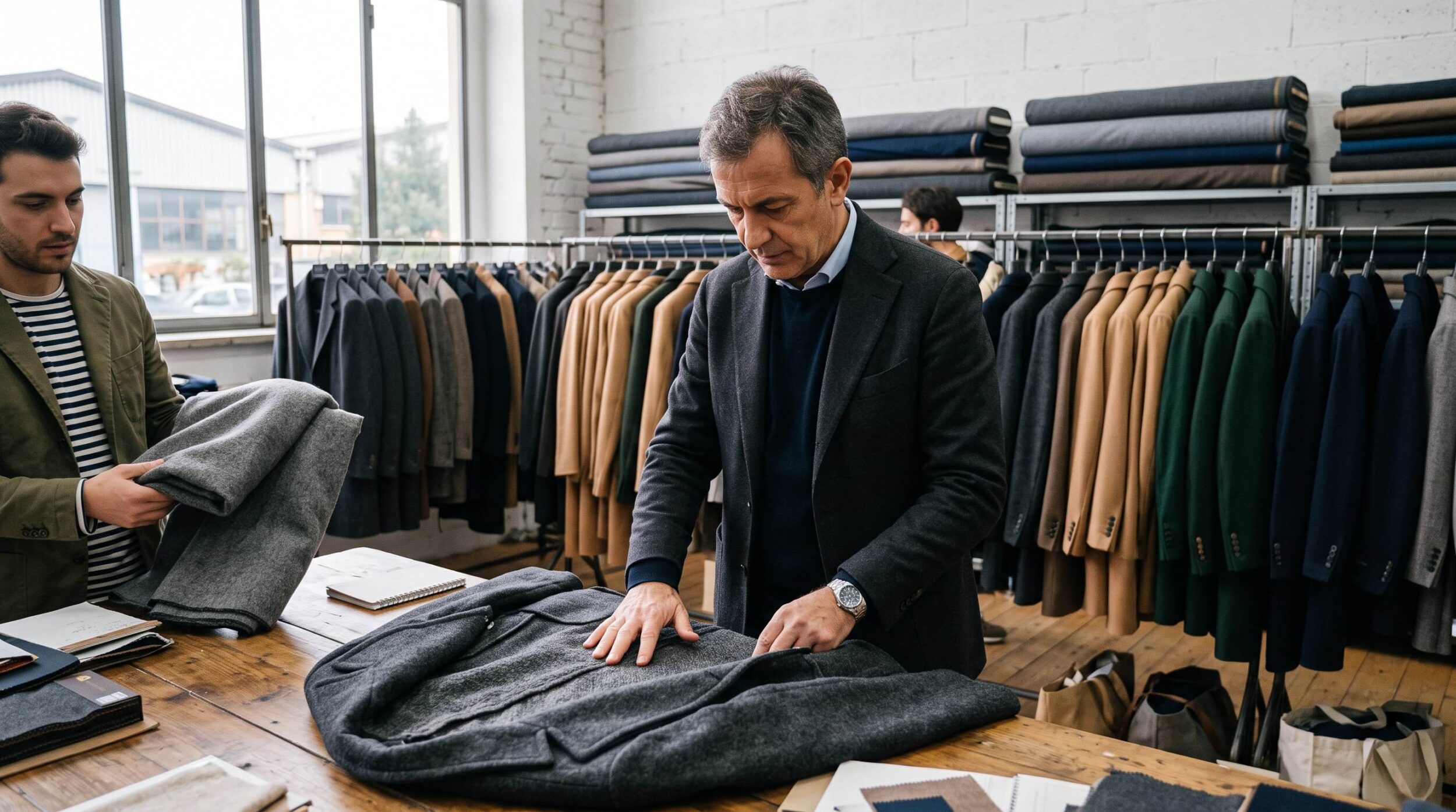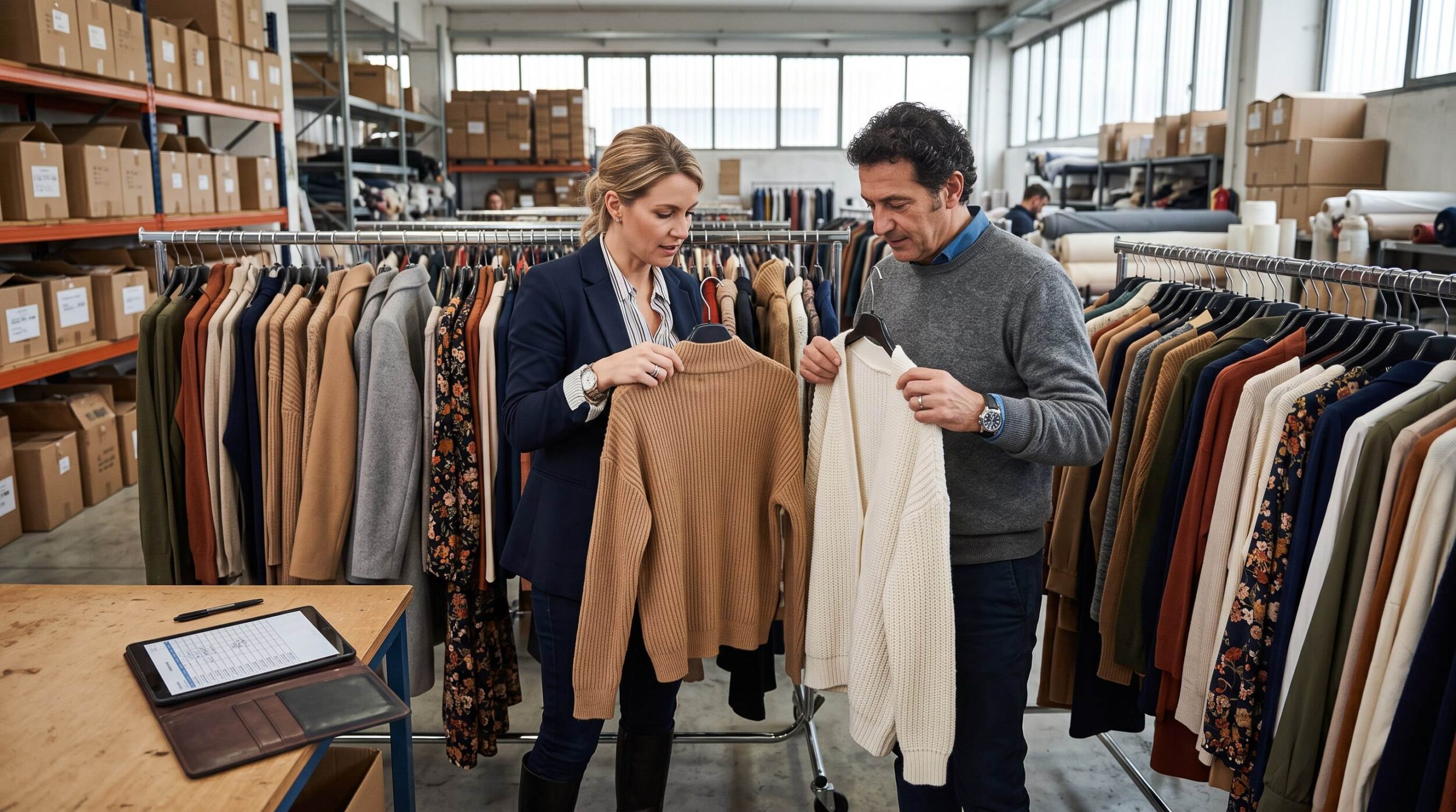

Why Timing Your SS26 Fabric Sourcing Matters
In fashion, timing is everything. Fabrics aren’t just materials – they’re the foundation of your Spring/Summer 2026 collection. Sourcing them at the right time ensures you get the best selection, sufficient quantities, and a smooth production run. Plan too late, and you risk your dream fabrics being out of stock or delivered too close to your launch date. Plan too early, and you might lock into trends that shift. The key is finding that sweet spot in advance planning.
Example: Imagine a boutique designer who waited until early 2026 to buy fabrics for an SS26 line. They found a gorgeous Italian linen print, but by then the mill’s production schedule was full – leaving them scrambling for second-choice textiles. Compare that to a competitor who started sourcing six months earlier and secured that linen in time. The early planner not only got the hero fabric, but also had time for prototyping and tweaking designs. The laggard? They faced rush fees, delayed deliveries, and missed sales because their summer dresses arrived when the season was half over. In short, timing directly impacts your collection’s success – from design quality to hitting store shelves at peak season.
Working Backwards from Spring/Summer 2026: Lead Times and Calendars
So when should you start? Industry experts recommend initiating fabric development 6–12 months before your collection hits the racks. For Spring/Summer 2026, that means starting by mid-2025. This gives you a buffer for designing, sampling fabrics, and confirming quality well ahead of manufacturing. By the time the new year (2026) rolls around, you ideally should have your fabric choices finalized or even on order. In fact, plan to confirm bulk fabric orders about 4–8 weeks before production begins – roughly late 2025 for an early spring launch. This window secures your mill’s capacity and leaves room for shipping or unforeseen delays before the sewing starts.
Why so early? Consider the lead times: Many mills need several weeks to weave or finish fabric, especially if it’s a custom print or color. Shipping from Italy to your production site can add time (by sea freight, allow several weeks; by air, at least a few days). And don’t forget pre-production steps – you’ll want sample yardage in hand early to test how a fabric drapes and to make prototype garments. By starting early, you turn time into an asset: you can troubleshoot quality issues, adjust to trend changes, or secure re-orders on a hot-selling fabric mid-season.
Tip: Align your calendar with the fashion industry’s cycle. Major fabric shows and supplier line releases for spring/summer happen well in advance (often in the fall of the previous year). Mark dates like trade fairs or supplier preview weeks in your schedule, and use them as deadlines to have your concept ready and mood boards in place. If Italian mills debut their SS26 collections in, say, September 2025, aim to review and place initial sample requests around that time. This way, you’re among the first in line for the freshest materials.
Seasonality and Supplier Schedules: Avoiding Timing Pitfalls
Fashion seasons wait for no one. Sourcing out-of-sync with the seasons is a common pitfall that can result in inventory headaches. If your fabric delivery doesn’t align with when you need to start production, you could miss the season entirely. For example, ordering heavy wool in February might see it arrive as winter ends – too late to sew coats that sell in cold weather. As one Italian sourcing guide notes, even Prato’s famed pronto moda (fast fashion) system can’t save you if you mis-time your orders – you still need to plan ahead for seasonal launches. In short, buying late = selling late, which can mean packed sale racks or unsold stock.
To avoid these timing missteps, be mindful of regional calendars and holidays as well. Italian suppliers follow their own rhythm: many fabric mills and factories slow down or close for summer holiday in August. If you place a fabric order on July 30, don’t be surprised if production only resumes in early September. Similarly, year-end holidays can cause factory downtime. Build these black-out periods into your plan. A savvy strategy is to finalize summer fabric orders by early July at the latest, or else have a contingency if an August pause is unavoidable. By acknowledging seasonal slowdowns, you won’t be left wondering why that crucial fabric shipment is sitting idle for weeks.
Another timing error to guard against is misjudging demand timing. Boutique retailers in different climates need different delivery schedules – a store in Canada might need fall fabrics earlier (for a longer autumn/winter season), whereas a Middle Eastern boutique selling resortwear might sell “summer” clothes year-round. Align your SS26 fabric buys with when your customers will actually want those garments. That could even mean staggering orders: e.g. getting one batch of spring dresses ready for an early warm-weather market, and a second batch a bit later for cooler regions. The bottom line is to time your pipeline to match consumer reality, not just the traditional fashion calendar.
Best Practices for Timing Fabric Buys (with Concrete Strategies)
It’s one thing to say “plan ahead,” but what does that look like in practice? Here are some actionable strategies to time your SS26 fabric sourcing for maximum impact:
- Create a Sourcing Timeline (and stick to it): Work backward from your desired in-store date. If you want your SS26 collection in boutiques by March 2026, plot out a calendar with key milestones: design finalization by August 2025, sample fabrics in hand by September, prototypes done by October, bulk fabric order placed by November, etc. A structured production calendar is your safety net – it ensures you meet launch dates and avoid last-minute crises. Visually map these steps and assign deadlines. Seeing “Order fabrics by Oct 1” on your timeline creates accountability and prevents the season from sneaking up on you.
- Secure Core Fabrics Early: Identify your collection’s must-have base fabrics (e.g. the primary linen for your SS26 sundresses, the lining material for jackets) and lock those in first. These core materials typically drive your collection’s delivery schedule. By ordering them well in advance, you ensure the essential pieces of your line won’t be delayed. For instance, if pastel linen is trending and integral to your collection theme, reach out to Italian mills as soon as that trend is confirmed and place your reservations before others do. It’s better to have those rolls of fabric sitting ready a bit early than to find out in January that every supplier has sold out of sage-green linen.
- Leave Room for Last-Minute Trend Tweaks: While you should nail down your main fabrics early, consider allocating a small part of your budget for quick-response buys. One advantage of Italy’s sourcing ecosystem is the ability to do fast turnarounds on emerging trends. If a particular print or color suddenly takes off in early 2026, Italian pronto moda suppliers can deliver new fabric or even finished goods within weeks. Use this to your benefit – plan 80–90% of your collection ahead, but keep 10–20% flexible for in-season opportunities. Because Italian mills often accommodate boutique-sized orders and even custom dye lots on short notice, you can spice up your collection with a surprise trend piece, without derailing your production timeline. Just remember: this is a supplement, not an excuse to procrastinate on the bulk of your sourcing.
- Coordinate with Production Partners: Your fabric timing should be synced with your garment manufacturing schedule. Talk to your atelier or factory about how far in advance they need fabrics to start cutting and sewing for a spring delivery. It’s usually several months. Once you know, work backward: if the factory needs fabrics by January 1, 2026, you might need to have them shipped from Italy by early December 2025. That means ordering by late October or November, considering transit time. Good communication with your production team prevents timing mishaps – you don’t want dresses half-sewn while everyone waits on delayed fabric. Additionally, discuss with them any flexibility: can they start on one style while a fabric for another style is still en route? Sometimes staggering deliveries is possible, but never assume; get those dates in writing.
- Plan for Logistics and Customs: Especially when sourcing internationally, factor in the time it takes not just to make the fabric, but to get it into your hands. Shipping logistics can be a surprising time sink. Allow padding for customs clearance, freight forwarding, and potential delays at ports or borders. For example, if you choose economical sea freight from Italy, that could add 4–6 weeks transit. Air freight is quicker (maybe 3–7 days), but costly – and even air shipments can hit snags if paperwork isn’t perfect. To maximize impact, have all import documents ready and double-check HS codes, invoices, etc., ahead of time. It’s wise to schedule fabric shipments to arrive well before your production’s start date. This way, if there’s a customs hold-up or a trucking delay, you’re not panicking.
In sum, treat timing as an integral part of your sourcing strategy. By implementing these practices – a clear calendar, early core orders, a dash of flexibility, tight coordination with makers, and logistical foresight – you’ll build a time-tested approach to fabric buying. Instead of racing against the clock, you’ll be comfortably ahead of it.
The Role of Italian Suppliers: Fast But Not Last-Minute Magicians
Italy’s textile suppliers are world-renowned not just for quality, but also for their agility. Working with Italian mills and manufacturers can, in many cases, significantly shorten your lead times. Thanks to the vertically integrated nature of hubs like Prato (where fiber spinning, weaving, dyeing, and even garment production happen in close proximity), a concept can go from fabric to finished product with remarkable speed. For the SS26 season, this means Italian partners can help you react quicker to trend changes or sales spikes. Need more of that best-selling white Broderie Anglaise cotton? A Prato mill might weave and finish a new batch in weeks, not months. Vertical integration = fewer middlemen and faster turnaround – a huge plus for staying in stock and on trend.
However, don’t misinterpret this speed as an excuse to delay your planning. Fast does not mean limitless. Italian mills still have production schedules and order queues. If you wait until the last minute, even the most efficient supplier may be booked up – especially in the run-up to a season when many buyers place orders. In fact, the flexibility of Italian suppliers shines best when you’ve planned well enough to take advantage of it. For example, by planning your initial buys early, you can use Italy’s quick service for reorders or capsule additions closer to launch. Conversely, if you try to place your entire fabric order one month before store delivery, you’ll likely face rush fees or “no can do” replies, even from Italy.
Also, remember seasonality affects suppliers too. We mentioned the August holiday slowdown in Italy; another factor is seasonal demand peaks. Italian fabric producers juggle requests from fashion houses worldwide – Spring/Summer fabrics are in highest demand in the months leading up to spring. It’s wise to schedule your orders before that crunch. If you’ve ever wondered why a certain Italian silk prints supplier told you in November “we can’t deliver until February,” it’s because their December-January capacity was snapped up by others who planned earlier.
Leverage relationships with Italian suppliers or agents to get insider timing info. Many Italian textile companies will advise their clients: for SS collections, order by a certain date to guarantee pre-spring delivery. Heed that advice. Building a rapport can also mean they might prioritize your order or offer a workaround if you’re in a pinch – but that goodwill usually comes if you’re a reliable, proactive client, not one who always rushes in late. As one sourcing professional put it, having all production stages under one regional umbrella makes it easier to restock quickly when a style is hot. Use that to your advantage by planning a baseline order and then asking about fast reorders. Italian mills often appreciate knowing that an early order could be followed by more business in-season; it encourages them to reserve capacity just in case.
Lastly, consider enlisting help on the ground. The role of an Italian sourcing partner or agent can be invaluable in timing your buys. Local experts coordinate with suppliers daily and know exactly when to nudge a factory or how to schedule orders to beat the rush. For instance, an agent might advise you to book dyeing slots in advance if you need a custom color, since dye houses could become a bottleneck closer to spring. Or they might consolidate multiple fabric orders into one shipment to save you precious weeks. Understanding the buying process in Italy can streamline your experience and prevent delays. If managing all these timelines feels overwhelming, consider using a service for Made in Italy production or comprehensive purchasing solutions. They help you plan the calendar, scout materials early, and handle supplier follow-ups, so you can focus on design and strategy rather than chasing mills. For those looking for immediate access to quality fabrics, exploring italian fashion wholesale online platforms can provide real-time inventory and quick ordering capabilities. Working with such partners ensures your SS26 fabrics arrive on schedule without unpleasant surprises, aligning your timeline perfectly with Italy’s.
Staying Ahead of the Curve
Sourcing fabrics for Spring/Summer 2026 isn’t just about picking the prettiest prints or trendiest textiles – it’s about choosing when to act. By now, it’s clear that timing your fabric buys requires a mix of foresight, industry savvy, and coordination. When you plan proactively, you give yourself options: the luxury of sampling and perfecting your pieces, the ability to launch on time (or even early) with full racks, and the agility to capitalize on trends rather than chasing them. You’ll avoid the classic trap of beautiful clothes arriving too late to sell, a lesson too many boutiques have learned the hard way.
As you finalize your SS26 sourcing game plan, remember that being ahead of the curve is a competitive advantage in itself. Your customers might never know the intricate scheduling behind that lovely summer dress on the rack – but they will notice if it arrived in store at just the right moment when they’re looking for something new. By timing your fabric procurement wisely, you ensure that when the Spring/Summer season heats up, your business is ready to shine. Plan well, execute early, and let Italy’s best fabrics work their magic for you, right on schedule.