Skip to content


Linen’s Next Chapter: Blending Tradition and Tech
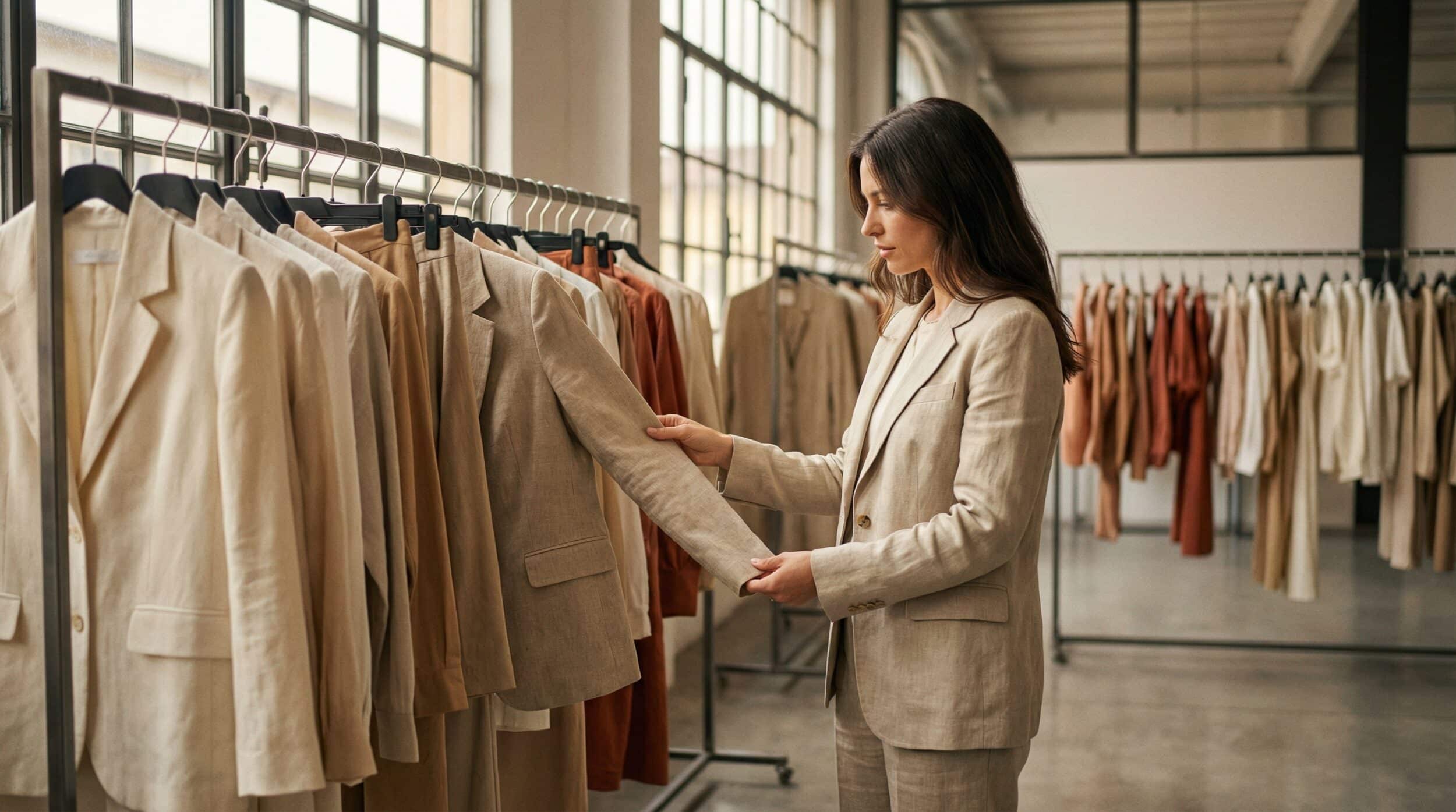
It’s no secret that linen is dominating SS26 fabric trends with its breathable, sustainable allure. Now, instead of relying on pure flax fibers alone, textile innovators are blending linen with other yarns to amplify its strengths and mitigate its weaknesses. The motivation is clear: pure linen, while loved for its cool comfort and rustic elegance, can wrinkle easily and sometimes feel coarse. By pairing it with complementary fibers, mills are creating hybrid textiles that elevate linen’s performance without losing its soul.
For instance, Italian producers – especially in Prato’s famed textile district – have decades of know-how with natural fibers, as already explored in our guide to Italian linen fabrics sourced in Italy, and they are now blending that heritage with modern R&D to meet the demands of SS26.. They’re now blending that heritage with modern R&D, spinning linen into new hybrid yarns. The outcome ranges from linen blends that hardly crease to lustrous mixes fit for luxury wear. Industry trend reports note that linen is even entering categories once reserved for other materials, like flowing evening wear and refined suiting, thanks to these blends. In short, SS26 fabrics are proving that linen’s next chapter isn’t just about more linen – it’s about better linen through innovation.
Linen-Viscose: Breathability Meets Fluid Drape
One of the most popular pairings this season is linen with viscose (or its eco-friendly cousin Lyocell). Linen-viscose blends marry flax’s breezy coolness with viscose’s silky touch. The result is a fabric that still feels natural and airy, but with added fluidity and draping elegance perfect for dresses, blouses and wide-leg trousers. Viscose (a cellulose fiber from wood pulp) brings a soft hand and gentle sheen that complements linen’s texture. It also helps reduce wrinkles – a bonus for buyers seeking easy-care summer garments. This is particularly relevant for buyers building print-led capsules, where SS26 Italian textile print trends can help align fabric choices with commercial motifs and color directions.
Example: An Italian mill recently introduced a 70% linen, 30% viscose chambray for SS26 that became a hit among resort wear designers. The material had linen’s breathable open weave but a slightly smoother finish, allowing it to transition from casual daywear to relaxed evening attire. A boutique sourcing director who tested the fabric noted that it held vibrant prints exceptionally well – not surprising, as viscose accepts dyes brilliantly. This makes linen-viscose ideal for tropical-inspired patterns or bold summer colors that pop without sacrificing natural comfort. Boutique buyers can leverage such blends to offer garments that flow gracefully and resist creasing, addressing customers who want linen’s lightness minus the rumpled look.
Linen-Silk: Infusing Luxury into Summer
For brands aiming at the premium end, linen-silk blends are the season’s secret weapon. Silk, with its fine fibers and lustrous sheen, elevates linen into luxury territory. Woven together, the two fibers create textiles that glide to the touch and subtly shine in the light. Crucially, a touch of silk (often 10–30%) gives linen a bit more elasticity and drape, which can be felt in how a garment moves. Italian mills have mastered this mix – imagine a pearl-gray linen-silk suiting fabric with just enough gleam to catch the eye, or a linen-silk jersey knit that’s breathable yet buttery soft on the skin.
Designers are using linen-silk for items like unstructured summer blazers, elegant evening separates, and even knitwear layering pieces. The blend conveys an understated opulence: the wearer enjoys linen’s cooling effect along with a silk-induced suppleness. From a sourcing perspective, linen-silk textiles can justify a higher price point in boutiques, as they look and feel unmistakably high-end. One micro-case involves a Canadian boutique that worked with a Prato manufacturer to develop an exclusive linen 85% / silk 15% fabric for its SS26 capsule. The resulting draped trousers had minimal wrinkling and a polished finish, quickly becoming best-sellers marketed as “luxurious wrinkle-light linen.” It exemplifies how blending in a bit of silk allows retailers to tell a richer product story – of tradition meeting luxury – and target customers who seek summer fabrics that are as refined as they are comfortable.
Linen-Cotton: Versatility and Everyday Performance
Blending linen with cotton is a classic move that’s especially relevant in Spring/Summer 2026. Linen-cotton blends combine two plant-based fibers for the best of both worlds. Cotton, known for its softness and familiarity, tempers linen’s crispness. It also lends structure and resilience to the fabric. The result is often a sturdier handfeel than pure linen, making these blends great for tailored shirts, lightweight jackets, and pants that need a bit more body. Crucially, cotton reduces the wrinkle factor – a well-known advantage noted by textile experts (linen-cotton weaves tend to wrinkle less than 100% linen, offering a smoother appearance). This means garments stay neater through the day, a selling point for customers who want linen’s breathability without high maintenance.
From a style perspective, linen-cotton fabrics often retain that signature slub texture of linen but feel a touch cozier. They can be woven as canvas-like twills, ideal for utilitarian chic pieces, or as soft chambrays for shirting. In Italy, several mills are offering linen-cotton with special finishes – for example, a light enzyme wash that gives a subtly washed-down look perfect for casual summer vibes. Think of a sand-colored linen-cotton blazer: it holds its shape better and shows fewer lapel creases, yet it’s still summer-weight and airy. For buyers, these blends are versatile workhorses. You can confidently source them for a range of products, knowing they’ll likely appeal to a broad audience – from a customer seeking a classic breathable office shirt to one looking for relaxed weekend wear. And since cotton is an accessible fiber, such blends are often cost-effective, allowing retailers to hit comfortable price points while still tagging the desirable “linen” on the fiber label.
Beyond the Basics: Stretch, Sustainability and Surprise Blends
Linen’s blend evolution doesn’t stop at the big three above. SS26 fabric development is also about adding performance fibers and unexpected pairings into the mix:
- Stretch Linens: A small percentage of elastane (spandex) – even as low as 2% – can work wonders in a linen blend. These linen-stretch fabrics retain a crisp look but yield slightly when you move, making fitted linen trousers or cinched dresses far more comfortable. Stretch-infused linen blends are gaining traction for contemporary womenswear and slim-fit menswear, as they offer ease without needing synthetic-looking fabrics. For buyers, this opens up linen to categories like form-fitting silhouettes and travel apparel (imagine linen pants you can wear on a plane without ending up a wrinkled mess). Always check that the fabric still breathes well; reputable suppliers will balance stretch and fiber content to maintain linen’s cooling properties.
- Eco-friendly Mixes: Sustainability remains top-of-mind, so some mills are experimenting with linen + Lyocell/Tencel, organic cotton, or even hemp blends. These pairings keep the material 100% natural and biodegradable, appealing to eco-conscious consumers. A linen-Tencel blend, for instance, often has a cool touch and subtle drape, plus an environmentally friendly profile (Tencel is produced in a closed-loop process). It’s an attractive story for marketing: “all-natural fibers, no synthetics.” Similarly, combining linen with hemp can reinforce the rustic texture and strength – a true heritage combo – while staying in the sustainable lane. The new era of sustainable linen innovation is all about such creative, planet-friendly blends that don’t compromise on style.
- Surprise Pairings: In Spring/Summer 2026 we even see linen crossing traditional boundaries. One trend in Europe has wool-linen summer suitings emerging, as noted by Première Vision’s fabric forecasts. By blending fine wool with linen, mills achieve summer suiting fabrics that breathe well yet have a dry, structured elegance – perfect for unlined blazers and vests with a crisp hand. Another example is linen blended with a touch of metallic or poly fibers for novelty textures: think linen-lurex for a hint of sparkle in eveningwear or a linen-poly mesh that adds durability to open-weave fabrics. These are niche, to be sure, but they underscore the spirit of SS26 textiles: experimentation. For a boutique wanting a standout piece (like a metallic-thread linen evening top), such blends could provide that “wow” factor. Just be mindful to source from quality makers so that even avant-garde mixes feel refined, not scratchy.
Sourcing Insights: Making the Most of Linen Blends
For wholesale buyers and importers, the rise of linen blends means a broader palette of fabrics to choose from – but also a bit more homework to ensure you get the right material for your needs. Here are some practical tips when sourcing these innovative SS26 fabrics:
- Know Your Composition: A fabric that’s “linen blend” can range from 10% linen to 90% linen. Always check the exact fiber breakdown. A 70% linen / 30% viscose will behave differently than a 30% linen / 70% viscose. Higher linen content usually means more texture and breathability; more secondary fiber can mean smoother feel or different weight. Match the composition to your product: e.g. a higher viscose ratio for flowy dresses, or more linen for a authentic look in shirts.
- Request Swatches & Do a Crease Test: Don’t skip sampling. When that swatch book arrives from Prato, literally ball up the fabric in your hand then smooth it out. This gives you a real-world sense of wrinkle resistance. Also drape it over your arm to observe how it falls. Linen-silk should glide, linen-cotton should hold a crease more. These simple tests help avoid surprises in bulk production.
- Ask About Finishes: Many linen blends come with special finishes – enzyme washes, mercerization (for shine), or wrinkle-resistant treatments. An Italian supplier might offer an “easy-care” finish on a linen-cotton, for instance. These can add value, but ensure they don’t involve harsh chemicals if you prioritize sustainability. Always inquire how the finish impacts care (Can it be machine washed? Will it soften further over time?).
- Leverage Supplier Expertise: Don’t hesitate to tap into mill knowledge. Italian manufacturers in particular are proud to explain their textiles. If you’re eyeing a linen blend with an unfamiliar fiber, ask the supplier what the intended end-use is. They might reveal, for example, that a linen-nylon blend was designed for lightweight outdoor jackets (quick-dry, extra strong), steering you on how to best utilize it.
- Consider Minimums and Lead Times: Innovative blends might be produced in smaller batches or on custom order. Be prepared for MOQs (minimum order quantities) that could be higher than standard fabrics, or slightly longer lead times if the mill needs to weave your order. By planning early – and perhaps consolidating orders for multiple styles using the same fabric – you can meet these requirements. Remember that popular SS26 blends may book up production slots fast as the season hype grows.
Crucially, building a relationship with a trusted local agent or service can streamline many of these steps. Many international buyers are turning to fashion sourcing and purchasing services in Italy to navigate the plethora of new fabric options. Partnering with an expert team on the ground means you get insider access to sample rooms, quality checks at the source, and negotiation of buyer-friendly terms. If you want to reduce sampling risk and align mill options with your target price points, fashion sourcing & purchasing services can streamline supplier selection, swatches, and negotiations in Italy.
The Bottom Line
Spring/Summer 2026 is showcasing linen’s renaissance, and it’s beyond pure linen. By embracing blends, the industry has unlocked a range of fabrics that honor linen’s natural appeal while pushing its boundaries. For boutique owners and importers, this opens exciting possibilities to refresh your collections: you can offer the coolness of linen in more colors and forms than ever, from silky date-night outfits to structured, no-crush daywear. Shoppers get the story of Italian innovation – heritage flax reinvented for modern life – in each garment tag, which can be a compelling selling point on the shop floor.
In the end, the surge of linen blends is about evolution in the service of the customer. It’s about taking a beloved fabric and solving the little things (a wrinkle here, a stiffness there) that kept it from being everything to everyone. As you plan your SS26 sourcing, look beyond the pure linen rolls and explore those innovative bolts of mixed yarns. They just might be the key to a standout summer collection that delivers both tradition and trendiness. And with Italy’s mills leading the charge, you’ll be in good hands (and fabrics) as you ride the linen blend wave. The era of “linen-plus” has arrived – lightweight, natural, and newly limitless.