Skip to content


In the Spring/Summer 2026 season, lightweight, breathable materials are top of mind for women’s ready-to-wear. Consumers are prioritizing comfort and sustainability, seeking garments that feel cool and airy even in hot weather. For boutique retailers and wholesale buyers, this means fabric choices are critical. Overheated shoppers won’t reach for polyester on sweltering days – they’ll gravitate to natural and semi-natural fabrics that breathe. Fortunately, linen, cotton, and viscose all offer breathability, each with its own character. These three fabrics can form a complementary toolkit for your SS26 collection, balancing comfort, style, and even eco-friendly appeal.
SS26 trend reports confirm that “airy comfort and sustainable luxury” lead fabric choices. In practice, that translates to using materials like organic cotton, linen blends, and new-generation viscose to craft summer collections. Below, we break down the comparative strengths of linen vs. cotton vs. viscose and how to leverage each in warm-weather womenswear.
Linen: Crisp, Cool & Sustainable
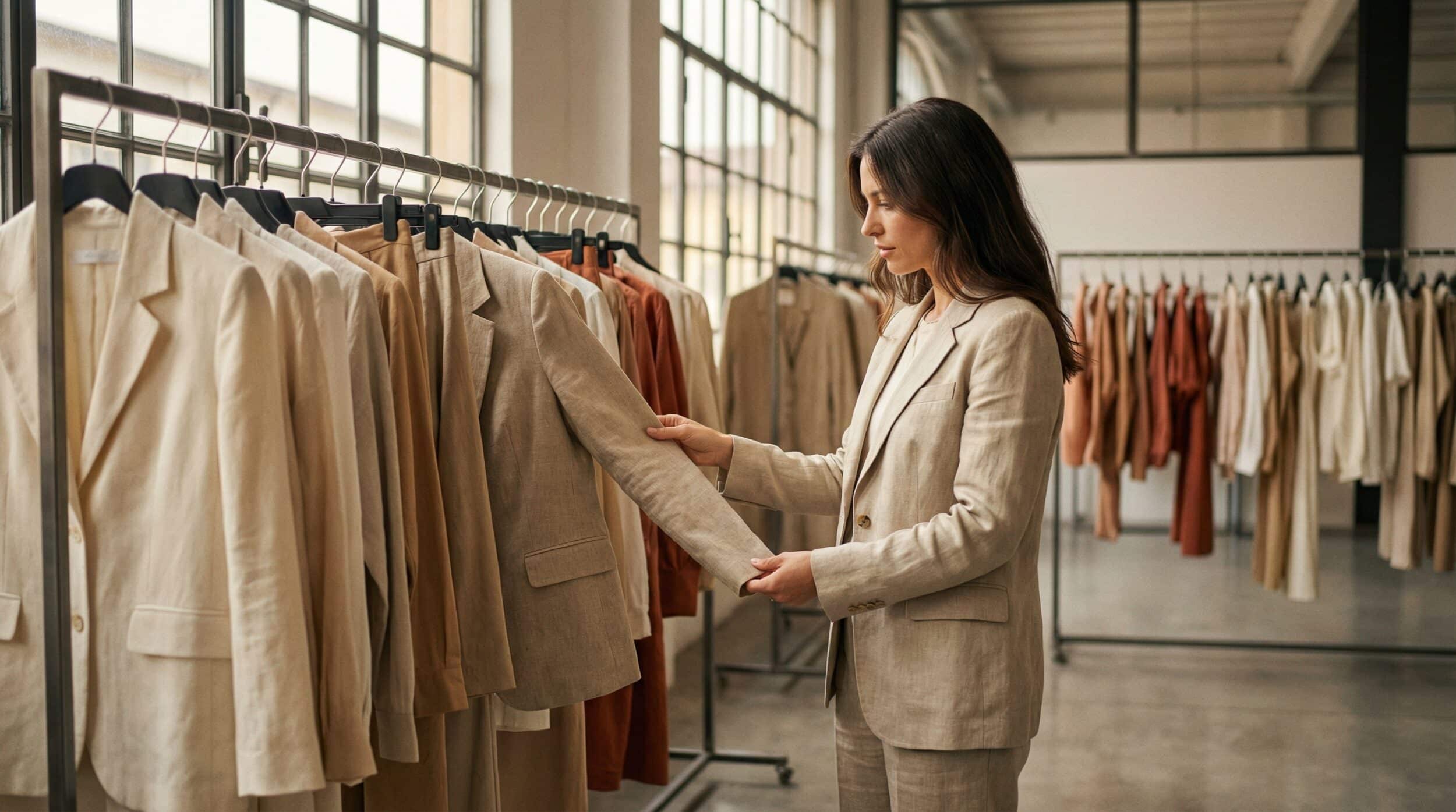
Linen is often considered the ultimate summer fabric – and for good reason. Woven from flax fibers, linen has an open weave and low heat retention, meaning it stays cool to the touch even in extreme heat. It’s highly breathable and actively wicks moisture away from the skin, then dries quickly, keeping the wearer comfortable rather than clammy. In fact, linen is both breathable and very absorbent; it can efficiently draw perspiration off the body. The result is a fabric that practically epitomizes cool, dry comfort in summer. No wonder buyers worldwide are clamoring for linen pieces in SS26 collections.
Structure and look: Linen’s natural stiffness gives it a crisp drape and body that cotton lacks. This means a linen garment holds its shape – a linen blazer or wide-leg trouser will maintain a smart silhouette in a way a slinky material cannot. That structured elegance delivers a relaxed yet put-together vibe, ideal for both resort wear and office-appropriate summer suits. At the same time, quality linen fibers are strong and durable, so pieces can last for years with proper care. As an added bonus, linen is naturally anti-microbial and hypoallergenic, so it resists odor and feels great on sensitive skin.
Sustainability: Linen also checks the eco box. Flax requires far less water and almost no pesticides compared to cotton crops. Every part of the flax plant can be used, minimizing waste. The upshot is a smaller environmental footprint for linen – a fact that today’s eco-conscious consumers appreciate. Choosing linen allows retailers to offer “luxury with a clean conscience,” as one industry report noted. It’s no surprise that “linen’s not going anywhere” as a summer favorite – this fabric aligns perfectly with SS26’s focus on sustainability and quality.
Drawbacks: The flip side of linen’s structured feel is its tendency to wrinkle. Natural linen creases easily – part of its casual charm, but a consideration for more formal pieces. Many brands embrace a bit of wrinkle as a style element (that relaxed linen look signals effortless cool). For shoppers who prefer a neater look, retailers can offer linen blends. Mixing flax with fibers like cotton or rayon can soften linen’s hand and reduce wrinkling. For example, Italian mills often produce linen-viscose blends that retain linen’s breathability but add viscose’s drape and wrinkle resistance. As a buyer, it’s wise to stock some pure linen alongside blended options to satisfy different customer preferences.
Use cases: Linen truly shines in warm climates and resort styles. Think breezy linen sundresses, unstructured suits, roomy shirts, and drawstring pants. This season, designers are showing everything from airy flax caftans to sharp linen co-ord sets for polished daywear. In boutique assortments, linen pieces often become the hero items: the statement natural-fiber dress or the best-selling summer blazer. For SS26, consider featuring a range of linen colors beyond just neutrals – soft sage greens, sandy beiges, and even ice blues are on trend (echoing the season’s nature-inspired palette). Pairing linen separates together (e.g. a linen blazer with matching trousers) creates an elegant head-to-toe look that still feels as cool as it looks.
Buyer tip: Promote linen’s story – its European heritage and eco-friendly allure – to add value in customers’ eyes. Many shoppers will gladly invest in a $200 linen dress once they understand it’s breathable, long-lasting, and sustainably made. To mitigate concerns about wrinkles, you can highlight linen-cotton blends (for a slightly smoother finish) or suggest styling tricks (like using a steamer or embracing the natural texture). Given linen’s popularity, you’ll want a strong linen showing in your SS26 line. As one Italian trend forecast declared, linen is the “hero fabric” of Summer 2026 – and a hero fabric can be a hero seller for your business.
Cotton: Soft, Versatile & Crowd-Pleasing
If linen is the classic summer hero, cotton is the dependable best friend – familiar, versatile, and nearly universally loved. Cotton comes from the fluffy bolls of the cotton plant and has been dubbed “the fabric of our lives” for its ubiquity. In Spring/Summer collections, cotton is a cornerstone for everything from basic t-shirts to embroidered sundresses. The big advantage of cotton is its softness and versatility. High-quality cotton is soft to the touch, breathable, and generally easy to work with across many garment types.
Breathability and comfort: Cotton’s comfort in warm weather is well established – after all, a classic cotton tee or voile blouse feels light and airy. Technically, cotton fibers are very breathable and can absorb moisture impressively well (up to ~25% of their weight in water, slightly more than linen’s ~20%). This means cotton readily soaks up sweat. However, unlike linen, pure cotton tends to hold that moisture longer rather than wicking it away quickly. So a cotton shirt might become damp with perspiration on a very humid day and dry more slowly. The key is that cotton breathes but doesn’t wick as efficiently as linen. Still, for most casual everyday wear, cotton’s absorbency contributes to keeping the skin dry and its natural airflow prevents overheating.
Variety and ease of care: One reason cotton is a staple for buyers is the sheer variety of cotton fabrics available. Lightweight cotton voiles, lawns, and chambrays are summer favorites for blouses, dresses and skirts. Sturdier cotton twills and denims serve for shorts or jackets even in spring. Cotton can also be knit into breathable jerseys and open crochet sweaters for summer layering. This versatility lets you cover many product categories with cotton. Moreover, customers appreciate that cotton garments are generally easy to care for – they can be machine-washed (and often machine-dried), and cotton fibers actually get stronger when wet. Durable cotton pieces, like a well-constructed poplin shirtdress, can last years and stand up to lots of wear. Do note that cotton can shrink on the first wash if not pre-shrunk, and very fine cottons may wrinkle (though typically less than pure linen). Overall, its maintenance friendliness is a selling point for everyday items.
Sustainability: Conventional cotton farming has a heavy environmental footprint (high water usage and pesticides), but the good news is organic and BCI-certified cotton are increasingly available. In SS26, organic cotton is featured heavily in supplier offerings. Buyers can source cotton tees, poplins or denim made with organic cotton to appeal to eco-conscious shoppers. While organic cotton can cost a bit more, it adds a sustainability story to your collection. Italian mills, for instance, are producing GOTS-certified cotton fabrics and interesting cotton blends (like cotton-hemp or recycled cotton mixes) to meet demand for greener options. Carrying some certified organic cotton pieces – even simple items like an organic cotton graphic tee – can enhance your brand’s ethical image in SS26.
Use cases: Casual and cross-seasonal pieces are where cotton excels. Think of items your customers will reach for day in, day out: jersey t-shirts, tank tops, breathable cotton sundresses, denim shorts, chambray shirts, lightweight cotton cardigans. For Spring/Summer 2026, trend reports mention a resurgence of embroidered cotton voile blouses and dresses (with lace or cutwork for a romantic touch). Also on trend are open-weave cotton knits – for example, a loose-knit organic cotton sweater to throw over a camisole. Such pieces offer texture while remaining breathable. Cotton bottoms (chinos, cotton-linen blend trousers, etc.) round out a collection with reliable basics. Cotton truly caters to a broad audience: not everyone will wear linen or delicate viscose, but everyone knows and wears cotton. That makes it a safe bet for bulk buys and entry-priced items. A rack of colorful cotton tees or classic white poplin blouses is almost expected in summer assortments.
Buyer tip: Emphasize cotton’s versatility when planning your buy. Use cotton to fill in the gaps that linen and viscose don’t cover – for instance, for everyday basics, or prints that need a matte, crisp base. Leverage cotton blends to add performance (e.g. a bit of spandex for stretch in cotton pants) or to create novel textures (like cotton-silk or cotton-hemp fabrics). And since consumers are increasingly label-conscious, highlight any organic cotton items with special tags or signage. Finally, consider climate: if you serve regions with extremely hot, humid summers, lean towards lighter weaves like cotton voile or open knits; in more temperate markets, mid-weight cotton jerseys and twills will also do well. All in all, cotton is your high-volume workhorse – it may not be as “exciting” as linen or as “luxurious” as viscose, but it is the backbone of summer sales for many retailers.
Viscose: Silky, Drapey & Modern
Viscose (also known as rayon when in fiber form) is a semi-synthetic fabric made from plant cellulose – often wood pulp from fast-growing trees like eucalyptus or bamboo. Through a chemical process, the cellulose is regenerated into fine fibers that can be woven or knit into cloth. The end result is a material that offers a silk-like look and feel at a fraction of the cost. In spring/summer womenswear, viscose has become a popular choice for adding fluidity and softness to a collection.
Breathability and feel: Buyers sometimes wonder, is viscose really breathable like natural fibers? The answer is yes – quite breathable. Viscose is derived from natural cellulose, so it shares many qualities with cotton. It allows air flow and absorbs moisture readily. In fact, viscose can be as breathable as cotton, and its moisture absorption is excellent (often comparable to cotton’s, keeping skin dry). One source notes that viscose “provides a similar, if not better, level of comfort [in hot weather] due to its silky texture”. The fabric tends to feel cool and smooth against the skin, with none of the prickliness of wool or the stuffiness of polyester. These traits make viscose a natural fit for summer dresses, skirts, and blouses. A flowy viscose sundress will let the breeze through while draping elegantly on the body – a combination of comfort and femininity that shoppers love.
Drape and appearance: If linen is crisp and cotton is plain, viscose is all about drape. This fiber creates fabric that hangs in graceful folds and moves fluidly. It’s often used to simulate the look of luxury fabrics: for instance, viscose challis can resemble a lightweight silk, and viscose satins or twills can mimic silk charmeuse or crepe. Printed viscose is especially common in Italian summer collections – the fiber absorbs dyes well, yielding rich colors and prints that “pop.” Expect to see plenty of viscose maxi dresses with botanical prints, tie-front viscose blouses in vibrant hues, and wide-leg viscose trousers that flutter with each step. Viscose gives garments a gentle sheen and a soft handfeel, enhancing the perceived quality. It’s a great way to add a touch of luxury to your lineup without the price tag of real silk. As a bonus, viscose doesn’t generate much static, so it won’t cling uncomfortably in dry weather.
Care and durability: On the downside, viscose is not as tough as cotton or linen. The very quality that makes it drape well – its ultra-fine, smooth fibers – also means viscose is weaker when wet. Garments may stretch out if hung when sopping, and aggressive machine washing can cause viscose to lose shape. Advise your customers to hand wash or use gentle cycles, and to avoid high heat drying which can shrink or distort viscose. In terms of wrinkle resistance, viscose is somewhat prone to creasing, though not as sharply as linen. A quick steam usually relaxes wrinkles in a viscose dress. Modern treatments and blends can improve viscose’s resilience: for instance, viscose blended with a bit of nylon or spandex gains strength and stretch, and viscose-linen blends marry breathability with a bit more structure. Also note that “viscose” encompasses improved variants like Modal and Lyocell (Tencel), which are processed in more eco-friendly ways and often have enhanced strength. These fibers are part of the “next-generation cellulosics” trending in SS26 for their moisture-wicking coolness and soft hand. Many wholesalers offer viscose/lyocell fabrics that combine the best properties of each.
Use cases: Elegant, draped, or delicate looks are where viscose excels. In your SS26 assortment, viscose pieces can fill the niche for romantic maxi dresses, slinky blouses, pleated midi skirts, and even soft tailored pants. For example, a sleeveless navy viscose jumpsuit can be a great summer evening option; a floral print viscose wrap dress offers both breathability and glamour for day-to-night wear. Viscose is also common in linings (it breathes better than poly linings for summer jackets) and knits (viscose jersey tops with a silky finish). Because viscose garments often have a premium feel at a moderate price, they can attract shoppers looking for something “a bit special” without venturing into luxury price points. Keep an eye out for sustainable viscose offerings too – some suppliers carry EcoVero or bamboo-viscose jerseys that appeal to the green fashion movement. By including viscose styles, you add depth to your collection: it’s the fabric that can elevate a simple silhouette into a slinky statement.
Buyer tip: When selecting viscose items, pay attention to fabric weight and finish. A very thin viscose might be too transparent or prone to wrinkling – look for viscose blends or slightly heavier grades for better performance. Also, consider offering styling guidance with viscose pieces (e.g. “Great for travel – just steam in the bathroom to remove any creases!”). As a buyer, it’s wise to test the quality: pull a sample seam to ensure it doesn’t warp, and check care labels so you can inform your end customers. Viscose is a fantastic team player in a summer lineup – pairing a viscose blouse with linen trousers, for instance, gives the best of both worlds (drapey top, structured bottom). Use viscose strategically to bring softness and prints into your collection mix.
Balancing Your Fabric Mix for SS26
Each of these three fabrics – linen, cotton, viscose – brings something unique to Spring/Summer 2026 collections. Rather than choosing one over the others, the savvy approach is to balance them to cover all your bases. Here are some practical pointers for integrating all three:
- Linen for Statement Pieces: Make linen your go-to for standout summer staples. Use it for those hero garments that draw shoppers in – a chic linen blazer set, a flowing natural beige sundress, or any item where breathability and a luxe feel are selling points. Linen’s eco-friendly story and premium image allow you to justify higher price points, which can boost margins on special pieces. For example, a boutique catering to resort wear might highlight a capsule of linen co-ords and dresses as the season’s must-haves (knowing they’ll attract customers seeking that elevated summer look). Industry observers note that linen is anchoring everything from resort wear to suiting in SS26 wholesale offerings, underscoring its versatility.
- Cotton for Core and Casual: Fill in the core of your assortment with cotton. These are your everyday best-sellers – items like graphic tees, simple sundresses, shorts, and button-down shirts that people live in all summer. Cotton’s wide appeal and lower cost (generally) let you offer promotional items or volume deals (e.g. “2 for 1” tee shirt packs) to drive sales. Also, leverage cotton blends to add functionality: cotton-spandex jerseys for comfy fitted tops, or cotton-poly blends for wrinkle-resistant travel clothes. And don’t forget trans-seasonal use: a lightweight cotton cardigan or denim jacket complements the breezy linen and viscose pieces for cooler evenings. Essentially, cotton underpins the collection, making sure you have comfortable basics for all customers.
- Viscose for Fashion and Flair: Deploy viscose for the fashion-forward, playful side of the collection. Its silky drape and ability to take vibrant prints make it ideal for eye-catching boutique pieces. A bright tropical print viscose maxi dress, for instance, can serve as a window display showstopper that lures in passersby. Use viscose to offer customers something different – maybe a luxurious-feel blouse or a wide-leg pant that flows like a palazzo. Since viscose often reads as more expensive than it is, it can elevate your brand perception. In warm climates or eveningwear sections, viscose items will add that cool-to-the-touch elegance that pure cotton or linen might not convey.
- Blends and Alternatives: Consider carrying items that blend these fibers to get hybrid advantages. Cotton-linen blends combine breathability with softness (and slightly fewer wrinkles). Linen-viscose blends are popular for creating a fabric that’s airy yet smoother to the skin, often used in summer suits or pants (these blends retain linen’s look but with a softer drape and less creasing). Cotton-viscose blends can make lightweight, soft blouses that stay cooler than pure cotton. By including blends, you cater to customers who want the best of both worlds. And keep an eye on next-gen materials like Tencel/lyocell (a cousin of viscose) which are making waves for sustainability – they can slot in alongside rayon pieces as a selling point for eco-minded shoppers.
Finally, remember that sourcing the right fabrics and suppliers is key to executing these ideas. Working with experienced partners or agents can simplify this process. For instance, leveraging a local fashion sourcing service in Italy can help you discover quality linen from Prato, fine cotton from Lombardy, or printed viscose from Como’s textile district – all in one go. With our own fashion sourcing & purchasing services, you can easily connect with vetted Italian mills and manufacturers for SS26 fabrics and production, ensuring you get competitive wholesale terms and reliable supply. However you go about it, aligning your Spring/Summer 2026 buy with these breathable fabric trends will position your boutique to deliver what women want next season: cool, comfortable, and stylish looks for the heat.
In summary, linen, cotton, and viscose each deserve a spot in your SS26 lineup. Linen offers unmatched cooling and a sustainable story, cotton brings versatility and everyday wearability, and viscose adds a touch of elegance and modern drape. By combining their strengths, you’ll create a collection that not only meets the climate’s demands but also delights your customers with variety and quality. As the summer sun approaches, you’ll be ready with the fabrics that breathe easy – and your sales can breathe easy too.