Skip to content


Entering the world of fashion wholesale and manufacturing can be exciting yet daunting – especially when your boutique’s reputation hinges on the suppliers you choose. From quality issues to delivery delays or even scams, there are real risks in partnering with an unknown supplier. Vetting a fashion supplier thoroughly before you commit is crucial to protect your business. This guide will walk you through 8 key checks every boutique owner should perform to ensure a supplier is the right fit. These steps will help you avoid costly surprises, maintain consistent product quality, and build a reliable supply chain for your store. Whether you’re sourcing Italian handbags or launching your own clothing line, doing due diligence now can save endless headaches later.
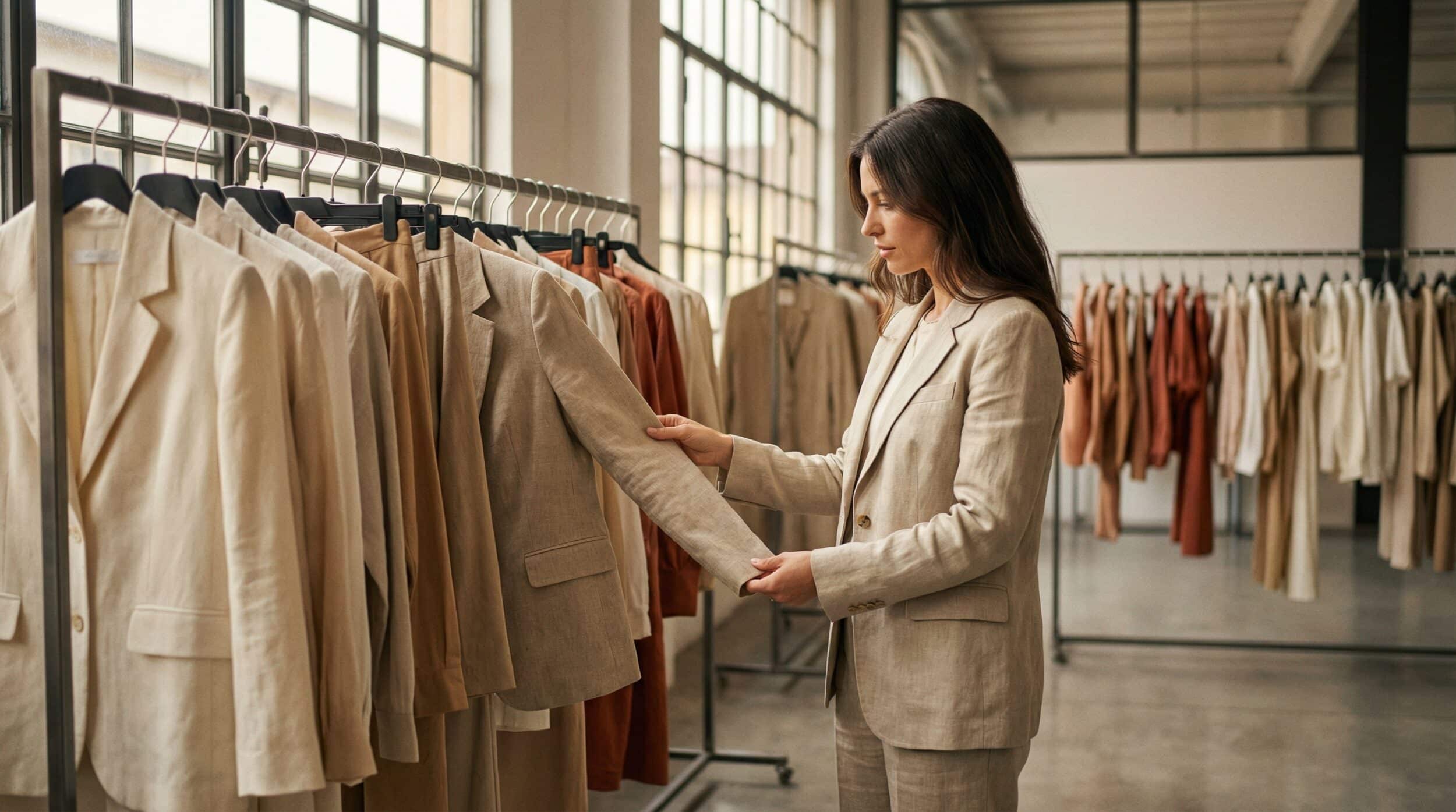
A boutique owner in a showroom examines a luxury handbag presented by an Italian supplier, symbolizing the importance of vetting product quality and authenticity before closing a deal.
1. Verify Business Legitimacy and Compliance
The first check is confirming that the supplier is a legitimate, registered business and compliant with all legal requirements. Ask for official details like their company registration number, tax ID or VAT number, business license, and physical address – genuine suppliers will readily provide these. You can often cross-verify such information through business directories or government databases in the supplier’s country. A quick online search can also reveal if the company has any history of fraud or red flags. Look at how long they’ve been in operation and their track record: a supplier with many years in business and a stable history is generally more reliable. Additionally, ensure they comply with relevant laws and regulations, from labor standards to product safety. For example, if you’re dealing with an Italian supplier, check that they follow EU consumer safety rules and fair labor practices. Working only with legally compliant, established suppliers filters out fly-by-night operations and reduces the risk of scams or unethical practices.
2. Assess Product Quality with Samples
One of the golden rules of vetting fashion suppliers is “quality first.” No matter how great a supplier’s prices or photos look, you must inspect their product quality firsthand before committing. Request samples of the actual items you plan to buy or something similar from their line. When you receive the samples, examine everything in detail: fabric or material quality, stitching and seam strength, fit or dimensions, color consistency, and any embellishments. Does the item feel well-made and match the supplier’s descriptions? Look for defects or inconsistencies; even small flaws in a sample could signal bigger problems in a bulk order. Don’t hesitate to test the item as well – for instance, try on a clothing sample to check sizing and comfort, or stress-test a handbag strap to ensure durability. If a supplier refuses to provide samples or only sends showroom pieces that differ from actual production, treat it as a red flag. High-quality suppliers stand by their products and understand that boutique owners need to verify quality. In many cases, it’s worth paying for a sample or a small trial order to verify that the goods meet your standards before placing a large order. This hands-on quality check will help you avoid unpleasant surprises and protect your boutique’s reputation for great products.
3. Confirm Supplier Expertise and Capacity
Not all fashion suppliers are created equal. A critical vetting step is confirming that the supplier has expertise in the type of products you need and the capacity to fulfill your orders reliably. Ideally, the supplier should specialize in your niche – for example, a clothing factory focused on women’s dresses or a leather workshop known for handbags – rather than claiming to produce “everything under the sun.” In fact, every reputable clothing factory usually specializes in a specific product type, and those that say they can do it all may not excel in any one area. Look into the supplier’s production capabilities: How large is their facility or network? What is their output volume and can they scale if your boutique grows? Make sure their minimum order quantities (MOQs) align with your needs – you don’t want to be stuck ordering far more units than you can handle, just to meet an excessive MOQ. A trustworthy supplier will be transparent about their MOQs and even explain why those minimums exist (for instance, due to fabric batch sizes or cost efficiency). It’s also wise to ask what other brands or clients they have worked with. If they have experience with well-known brands or boutiques similar to yours, that’s a good sign of both quality and capacity. Years of experience and a proven client list in your market niche indicate the supplier likely has the know-how and resources to deliver on their promises. In short, choose a supplier whose expertise aligns with your product category and whose production capacity matches your inventory demands.
4. Verify Private Label and Customization Capabilities
For boutique owners looking to develop an in-house brand or exclusive products, it’s essential to verify a supplier’s capacity for private label production. Not all suppliers offer private labeling or custom manufacturing, so you’ll want to confirm this early. If you aim to put your own brand labels on products, ask whether the supplier provides that service and what the process entails. Many Italian manufacturers and wholesalers, for example, can take an existing design and produce it with your boutique’s label and tags attached – effectively creating a white-label product for you. Ensure you understand any extra costs (for making custom labels or packaging) and minimum order requirements for private label orders. If you have a completely original design in mind, verify that the supplier can handle custom production: Can they develop samples or prototypes from your sketches or tech packs? Do they offer material sourcing, pattern making, or adjustments to existing styles? A good private label supplier should be flexible in customization – for instance, allowing changes in fabric, prints, or small design details on an existing garment style to fit your vision. Always request to see examples of other private label work they’ve done, if possible, to gauge the quality of branding and finishing when your label is on the product. Choosing a supplier with strong private label capabilities ensures that when you’re ready to launch your own line, they can bring your brand to life with the quality and consistency you expect.
5. Check References and Reputation
Just as you’d check reviews before booking a hotel, you should investigate a supplier’s reputation before signing a contract. Reputable suppliers will often be happy to provide references – ask for contact information of other boutique owners or brands they’ve supplied, especially in your country or region. Reach out to these references with a few key questions: Did their orders arrive on time? Was the product quality as expected? How was the supplier’s communication throughout the process? Honest feedback from fellow buyers is invaluable. In addition, do some independent research: look for online reviews or testimonials about the supplier. Trade platforms and B2B marketplaces sometimes have ratings and feedback – for example, Alibaba Gold Supplier status or customer comments can offer insight, though always be discerning about online reviews. Another tip is to search the supplier’s name alongside words like “scam,” “fraud,” or “complaint” to see if any serious issues have been reported by other businesses. Consistency in positive feedback – and the absence of horror stories – is a strong indicator you’re dealing with a trustworthy partner. On the flip side, if you encounter repeated complaints about poor quality or unmet promises, take them seriously. A supplier’s past behavior is a good predictor of your future experience, so only move forward if you’re confident in their solid reputation.
6. Evaluate Communication and Responsiveness
Effective communication is the cornerstone of a successful supplier relationship. While vetting a potential fashion supplier, pay close attention to how they communicate with you from the very start. Are they responsive to your emails or messages? Do they answer your questions clearly and promptly? A supplier who takes a week to reply to initial inquiries or gives vague answers might cause bigger frustrations once you’re in the middle of production or need urgent updates. Keep in mind time zone differences – an overseas supplier might not answer within hours, but they should still respond within a reasonable timeframe. Consistent delays or silence can indicate that a supplier is either disorganized or not prioritizing your business. Transparency and clarity are also key: the supplier should address all parts of your questions, provide details (for example, about materials or timelines), and not dodge important topics. Professionalism matters too – courteous, knowledgeable communication suggests they will be easier to work with when challenges arise. Perhaps most importantly, trust your instincts during this vetting phase. If a potential supplier is already hard to communicate with or occasionally “ghosts” you before any deal is even signed, consider it a major red flag. You don’t want to be left in the dark after paying a deposit because the vendor suddenly becomes unreachable. Prioritize suppliers who are communicative, English-proficient, and forthcoming – it will make collaborations much smoother and help build mutual trust.
7. Review Compliance and Certifications
In today’s market, ethical and quality compliance is more important than ever. As you vet suppliers, find out if they hold any relevant certifications or have passed industry audits – and then verify those claims. For instance, if you are focused on sustainable or organic fashion, check whether the supplier has certifications like GOTS (Global Organic Textile Standard) for organic fabrics or OEKO-TEX Standard 100 for chemical safety in textiles. These certifications indicate that the supplier’s materials and processes have been vetted by reputable third parties. Likewise, many apparel manufacturers participate in social compliance audits (such as BSCI or Sedex), which ensure fair labor practices and safe working conditions. Don’t just take a certificate at face value: authentic suppliers will usually be listed in the certifying organization’s public database or can provide a certificate number for verification. If your boutique markets products as “Made in Italy” or “ethically made,” such due diligence is vital to avoid associating with factories that engage in sweatshop conditions or other violations. Even beyond formal certificates, ask about the supplier’s own quality control processes. Do they have a QC team? What standards do they follow to check for defects? A manufacturer certified in ISO 9001 (Quality Management) or following similar standards is likely to have more rigorous quality assurance. Bottom line: choosing a supplier that meets high compliance standards not only protects your brand reputation but also gives you and your customers peace of mind about the products’ quality and origins.
8. Understand Payment Terms and Protect Your Transactions
Finally, before you seal any deal, be sure to review the supplier’s payment terms carefully and take steps to protect your money. Discuss what form of payment they accept (bank transfer, credit card, PayPal, letter of credit, etc.) and the schedule of payments (for example, a 30% deposit upfront and 70% on delivery is common). Be cautious with suppliers who demand full payment upfront, especially if they are overseas and not yet proven – that can be a significant risk if something goes wrong. For larger orders or new relationships, safer payment methods offer invaluable protection. For instance, using an irrevocable Letter of Credit (LC) through a bank can secure your funds, since the supplier only gets paid when the goods are shipped and documentation is verified. Many scammers or illegitimate wholesalers will refuse payment via LC or escrow services; they instead push for untraceable methods like Western Union or wire transfers because those can’t be easily recovered. This doesn’t mean every supplier insisting on a bank transfer is a scammer, but you should ensure they are fully verified and trusted if you go that route. Another smart approach is to use escrow or trade assurance services (such as Alibaba’s Trade Assurance) for initial orders – these hold the payment and release it to the supplier only when you confirm receipt of goods in satisfactory condition. Always get a formal invoice or sales contract that outlines the terms, including product details, quantities, prices, delivery timeline, and return/refund policies. Having everything in writing, signed by both parties, will be critical if there are disputes. In summary, choose payment terms that offer a balance of trust and security, and avoid arrangements that leave you financially vulnerable. A reliable supplier will understand your caution and work with you to establish a fair, secure payment plan.
Why a Sourcing Agent Makes All the Difference
Even with a clear checklist in hand, vetting suppliers as a solo buyer from abroad is time-consuming and risky. Language barriers, different business cultures, and not being physically present can make it hard to get the full picture. That’s where having a dedicated sourcing agent becomes essential. A professional sourcing agent acts as your local expert and quality control partner on the ground – someone who not only finds suppliers that fit your needs, but who also checks them thoroughly for reliability, compliance, quality, and communication.
Sourcing agents also provide something no amount of online research can replace: relationships. They know which vendors are trustworthy, which are flexible with boutique-friendly minimums, and which deliver on time. More importantly, they know how to negotiate in the local language and can identify red flags you might miss from afar. If you’re importing from Italy, an agent like Italian Fashion Sourcing becomes your eyes, ears, and hands in the Italian fashion market, giving you access to vetted vendors, curated products, and consolidated shipments. To explore why this role is so valuable, see Sourcing Agent in Italy: Fashion Buying Benefits.
By relying on an expert sourcing partner, you don’t just save time – you gain peace of mind and ensure that your boutique is stocked with merchandise you can stand behind.
Simplifying Supplier Vetting with Italian Fashion Sourcing
Vetting suppliers thoroughly is vital – but it can also be time-consuming and challenging, especially when dealing with overseas partners. This is where Italian Fashion Sourcing can become a boutique owner’s best ally. Our agency specializes in connecting international boutique retailers with pre-vetted Italian fashion suppliers, effectively doing the heavy lifting for you. Italian Fashion Sourcing leverages deep local expertise – we have intimate knowledge of the major fashion manufacturing hubs like Prato and Florence, which form the biggest fashion supplier market in Italy. Before we ever recommend a supplier to a client, we ensure they meet strict standards for quality, reliability, and professionalism. In fact, we personally visit and maintain relationships with Italy’s main wholesalers and manufacturers, so we know their reputation, product range, and compliance record firsthand.
Our process begins with understanding your boutique’s unique needs through an initial interview, then scouting and shortlisting the best Italian vendors for your style, quality level, and budget. By the time you’re introduced to a supplier via a live online purchasing session, we’ve already vetted that vendor’s legitimacy and curated their offerings to suit your market. During purchasing, Italian Fashion Sourcing acts as your on-site partner – essentially your personal buyer in Italy – ensuring you get exactly what you ordered. We even consolidate all your buys from different vendors into one unified shipment and invoice, sparing you the hassle of dealing with multiple suppliers and packages. All the logistics and customs paperwork are handled by our team, so you can import with peace of mind. And for those looking to create private label products, our production oversight service guides you from sampling to final production. We coordinate with Italian manufacturers to develop your designs or customized styles and intervene at multiple stages for quality control, guaranteeing the finished pieces meet your specifications before they ship.
The result? You can tap into Italy’s renowned fashion supply chain without the usual risks. With Italian Fashion Sourcing pre-vetting suppliers and managing the process, international boutique owners save time, avoid pitfalls, and gain confidence that their inventory will delight customers. In a world of endless supplier options, we provide a trusted bridge to the best of “Made in Italy” fashion – so you can focus on growing your boutique, knowing your supply line is in expert hands.