Skip to content


As the Spring/Summer 2026 season unfolds, linen is emerging as the hero fabric in women’s apparel. Global consumers are gravitating towards natural fibers for their breathability, sustainability, and laid-back luxury appeal. From New York to Milan, shoppers are seeking airy, comfortable clothes that also align with eco-conscious values. Linen fits the bill perfectly: it’s light and moisture-wicking for summer heat, yet exudes a “quiet luxury” vibe with its rich texture and gentle drape. In fact, style influencers now celebrate linen’s characteristic wrinkles as a mark of easy luxury, underlining the fabric’s organic charm rather than seeing it as a flaw. It’s no surprise that designers are filling SS26 collections with linen – think breezy sundresses, unstructured suits, and resort-ready separates all crafted from flax-based textiles.
Beyond its cooling comfort and relaxed elegance, linen carries a story of authenticity that resonates with today’s consumers. Made-in-Italy linen, in particular, adds an extra layer of allure. Italy’s historic mills (notably in Prato) are infusing traditional craftsmanship with modern eco-friendly techniques to produce linens that define the season’s look. Boutique owners have noticed that offering Italian linen pieces isn’t just about tapping into a trend – it’s about providing quality and heritage. A linen garment labeled “Made in Italy” signals premium craftsmanship and style, which savvy shoppers recognize immediately. From a business standpoint, this means higher perceived value and differentiation in a crowded market. As we look at SS26’s top trends, linen stands out as the fabric that perfectly balances breathable comfort and high-end fashion credibility.
Breezy Silhouettes: Key Linen Styles for Her
This season’s womenswear shows the true versatility of linen. Designers are leveraging the fabric across a range of silhouettes – from casual daywear to refined evening looks – proving that linen can do it all. Linen dresses have become a cornerstone of many collections, offering everything from crisp tailored shapes to flowing bohemian cuts. A classic linen shirtdress delivers polished style with a relaxed twist; it can transition from office meetings to weekend outings just by changing accessories. On the other end of the spectrum, a billowy linen kaftan or maxi dress epitomizes resort chic, beloved by customers seeking glamour that can beat the heat. Retailers report that linen dresses are selling strongly across climates, as these pieces appeal to beachgoers and city dwellers alike (pair a linen maxi with sandals for a tropical look, or add a light jacket for a cool evening in Europe). Indeed, the linen dress is fast becoming an SS26 hero product for women’s apparel, valued for its blend of breezy comfort and elegance.
It’s not just dresses – linen co-ord sets are another major trend delivering what one might call “smart comfort.” These are matching top-and-bottom outfits that make styling effortless. Popular examples include a short-sleeve linen shirt paired with tailored shorts, offering a chic yet easy outfit for warm days, or a linen tank top with wide-leg pants that marries loungewear-level comfort with runway-worthy sophistication. The beauty of co-ords is their mix-and-match potential; pieces can often be worn separately, giving customers more mileage. A co-ord set in a neutral tone appeals to minimalists, while one in a vibrant tropical print attracts resortwear fans – demonstrating linen’s cross-demographic “broad appeal”. For boutique buyers, stocking linen co-ords means offering clients an instant, put-together look that doesn’t sacrifice comfort. This trend has caught on globally, from the U.S. to Northern Europe, as retailers recognize that head-to-toe linen ensembles hit the sweet spot for SS26: cool, cohesive, and effortlessly stylish.
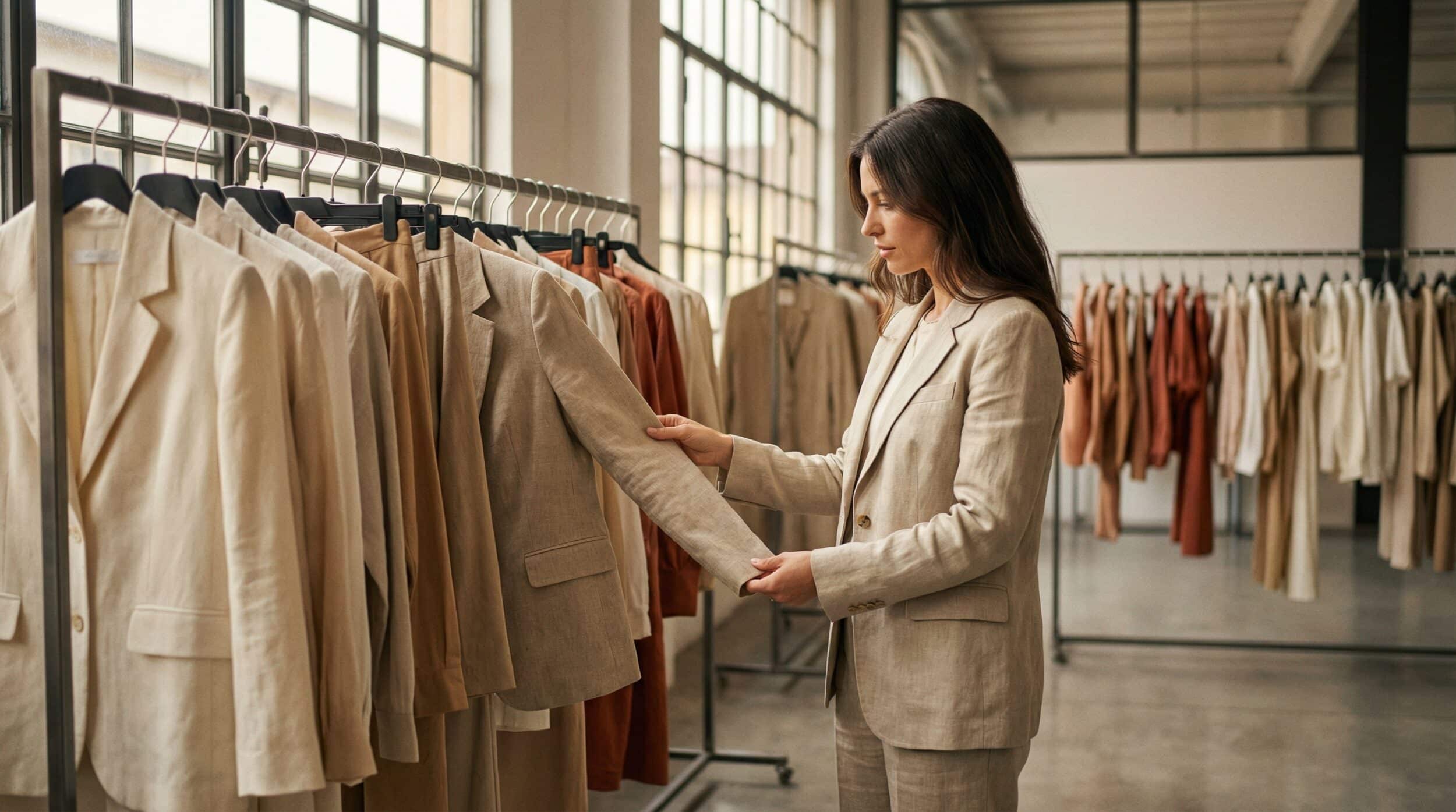
Even more structured pieces like suits and blazers are getting the linen treatment. Linen blazers and pantsuits in soft earthy hues (sand, olive, ivory) are proving popular for summer tailoring. Designers opt for unlined or half-lined constructions, letting the fabric’s natural breathability shine. The result is office-appropriate attire that remains cool and comfy on hot days – a concept that would have seemed radical years ago, but now feels perfectly in tune with the “casualization” of work wardrobes. Women can pair a linen blazer with matching trousers for a modern power suit, or throw it over a dress for a polished layer that won’t overheat. The slight texture of linen also softens the formality of a suit, giving a contemporary relaxed vibe. This illustrates a key point: linen’s versatility spans from resortwear to boardroom wear. It’s a fabric that adapts to multiple style directions, aligning with the SS26 emphasis on clothes that are as adaptable as the women who wear them.
Styling Direction: Effortless Elegance Meets Everyday Wear
One defining aspect of Spring/Summer 2026 styling is the fusion of elegance with ease, and linen is the poster child for this movement. The styling direction for linen pieces this season leans into their natural, effortless vibe. Rather than forcing linen into overly formal looks, designers are highlighting its organic drape and texture. For daytime, that means linen outfits are often styled in monochromatic or tone-on-tone palettes of whites, beiges, sages, and other nature-inspired hues – an aesthetic that underscores linen’s connection to earth and simplicity. A head-to-toe cream linen outfit, for instance, radiates understated luxury without trying too hard. Accessories tend to be kept minimal or made of natural materials (straw hats, jute tote bags, cork-soled sandals) to complement linen’s earthy chic.
Layering is another key styling note. Because linen is lightweight, it layers well for transitional weather or indoor-outdoor wear. Stylists are showing looks like a linen oversized shirt unbuttoned over a camisole and shorts, or a linen vest layered atop a cotton tee, playing with textures while keeping the ensemble breathable. Belting is a common trick to add structure to relaxed linen shapes – a thin leather belt over a loose linen dress creates shape while maintaining that flowy comfort. We also see contrasts in play: pairing linen with more structured fabrics (like a linen blouse with denim jeans, or a linen skirt with a tailored poplin shirt) to mix casual and polished elements. The overall direction is clear: SS26 women’s wear is all about effortless elegance. Linen’s ability to look refined yet undone is being celebrated. A slightly rumpled linen suit with rolled sleeves and flats can be just as chic as a formal dress. By embracing the fabric’s natural qualities – breathability, texture, and yes, even the wrinkles – stylists achieve a look that feels authentic and relaxed, which is exactly what modern consumers are after.
Importantly, the color story with linen this season goes beyond the classic neutrals. While pristine white, oatmeal, and khaki remain staples, SS26 collections also infuse soft pastels (like dusty rose, sage green, sky blue) and even some vibrant hues into linen garments. Advances in dyeing techniques allow these colors to remain rich without compromising the fabric’s feel. For example, Italian producers are using low-impact dyes and even plant-based dyeing methods to achieve beautiful hues in linen. This means buyers don’t have to stick with just the “natural” look—linen can be bright and fashion-forward too, all while keeping its sustainable appeal. A pastel mint linen co-ord or a coral linen sundress can pop in a store display, attracting customers who love color as much as comfort. The key styling takeaway: linen is no longer just a casual beach fabric; in SS26 it’s styled for all occasions – from city streets to seaside, weekday to weekend – always with an eye on that breezy, effortless sophistication.
Innovative Linen Blends: Tradition Meets Technology
One of the most exciting developments in linen for Spring/Summer 2026 is the rise of innovative linen blends. Italian mills, in particular, are pioneering ways to enhance linen’s performance and feel by blending it with other fibers – all while preserving its natural appeal. These blends allow designers and buyers to offer garments that have linen’s signature breathability plus additional benefits like extra softness or reduced wrinkling. Here are a few noteworthy linen blends making waves this season:
- Linen–Silk Blends: By weaving silk with linen, mills create a fabric with a slight sheen and smoother handfeel. These blends retain linen’s lightweight coolness but add a touch of luxury drape and luster. The result is perfect for upscale womenswear pieces – imagine a linen-silk tailored dress that glides over the skin, or a blouse that has that matte linen texture with a hint of shine. It’s breathable elegance elevated, ideal for evening looks or premium boutique collections.
- Linen–Cotton Blends: Cotton brings a bit more structure and wrinkle-resistance to linen. A linen-cotton weave still feels airy and natural, but tends to crease less and can hold shape better, which is great for items like trousers, blazers or more structured dresses. These blends are popular for day-to-day summer wear that needs to endure long hours without looking too rumpled. And because both fibers are natural, the fabric remains skin-friendly and breathable.
- Linen–Viscose (Rayon) Blends: Viscose, a semi-synthetic fiber derived from plants, imbues linen with enhanced softness and fluid drape. Linen-viscose fabrics in SS26 collections often appear in flowing skirts, wide-leg pants, or any design where a bit of extra draping quality is desired. The viscose also increases vibrancy of dye, allowing for more vivid colors. Shoppers love how these pieces feel – often describing them as “buttery linen” – and appreciate that they’re easier to pack (fewer wrinkles) while traveling.
- Knit & Stretch Linen: Beyond wovens, Italian innovators have even developed knitted linen jerseys and linen with a touch of elastane. This opens up new categories – soft linen t-shirts, lightweight cardigans, and fitted tops that stretch. A linen-blend knit tee gives the casual comfort of your favorite summer shirt but with that cool touch and textured look of linen. For SS26, some brands introduced linen knit dresses and tops that are getting attention for combining coziness with chic style. These new fabrications show that linen isn’t limited to the traditional crisp forms; it can be as versatile as any other material.
Crucially, many of these fabric innovations are coming out of Italy’s Prato district, where textile heritage meets cutting-edge R&D. Italian mills are masterful at blending fibers in ways that keep the essence of linen intact. As a result, boutique buyers sourcing from Italy can access a huge variety of linen-based textiles – from pure 100% linen in varying weights to all sorts of blends – to craft a balanced collection. Whether you need a stiff linen-cotton canvas for structured jackets or a silky linen blend for luxury blouses, Italy has it. Furthermore, these mills often employ eco-friendly processes (like incorporating recycled fibers into linen yarns or using enzymatic washes to soften the fabric), so the innovative blends come with a sustainability story too. For retailers, that’s a double win: you can tell customers the garment is both high-performance and responsibly made. The takeaway is that in SS26, linen’s renaissance isn’t just about style – it’s about technology and tradition coming together. Embracing these new linen blends allows your collection to stand out with materials that feel fresh, exclusive, and tuned into what today’s consumers care about (comfort, beauty, and conscience).
Sourcing Insights: Bringing Italian Linen to Your Racks
For international buyers and boutique owners, the prospect of riding the linen wave may prompt the question: how to source these fantastic SS26 linen pieces effectively? The good news is that Italy’s textile ecosystem is particularly friendly to boutique-scale purchasing. Many Made in Italy suppliers specialize in serving niche and luxury markets, which means flexible order sizes and responsive production. In practical terms, this translates to low minimum order quantities and quick turnaround times – a huge advantage when compared to typical large-scale manufacturing. For example, in Prato’s network it’s not uncommon to find wholesalers offering MOQs as low as a few dozen pieces per style. You could order a mix of 20 linen co-ord sets and 30 linen dresses across several colors, and Italian suppliers would accommodate that with ease. This flexibility lets boutiques test new linen styles without over-committing capital or storage. It’s a lean approach to buying that aligns with the seasonality of fashion: you can stock light, reorder fast if something’s a hit, or pivot quickly to new styles mid-season. Italy’s ability to do small-batch, high-quality production is a key reason so many retailers worldwide are turning to Italian sourcing for SS26.
Moreover, working with a local partner can simplify the process of tapping into Italy’s linen excellence. Italian Fashion Sourcing’s Fashion Sourcing & Purchasing service is one such avenue, acting as a bridge between international buyers and Italy’s top suppliers. Through this service, you gain a personal buying partner on the ground in Italy. For instance, a boutique in the US or Australia can virtually browse multiple Italian showrooms in one guided session – seeing the latest linen collections via live video – and hand-pick pieces suited to their clientele. This approach not only saves a trip overseas but also ensures curation: you get presented with styles that match your needs, from the latest linen-blend innovations to classic staples, all vetted for quality and trend relevance. Once selections are made, Italian Fashion Sourcing consolidates the order, handles all the logistics, and even assists with customizations (want that bestselling linen dress in a special color or with your private label? They can arrange it). The result is a seamless pipeline from Italian workshops to your store, with minimal hassle and risk. By leveraging such services, boutique owners can stay agile, introducing breathable Italian linen to their racks at just the right time.
Another sourcing tip: highlight the story behind the linen when communicating with your customers. Increasingly, end-consumers care about provenance. When you source via an Italian partner, you gather rich information – maybe the linen fabric was woven in a family-run mill with centuries of history, or dyed using an eco-friendly process in Tuscany. Sharing these details (through product tags, social media, or in-store storytelling) adds value to the garment. It transforms a simple linen blouse into a conversation piece: customers appreciate knowing that their purchase supports craftsmanship and sustainable practices. This can translate into stronger sales and brand loyalty. Essentially, by sourcing smartly (for quality and narrative), you’re not just buying clothes – you’re curating an experience for your shoppers. And in 2026, an item that is stylish and has substance behind it (like a certified-organic Italian linen top produced with low-impact dye) is likely to win the hearts of discerning buyers.
In summary, Spring/Summer 2026 is the season of linen, and those in the women’s fashion wholesale sector have a prime opportunity to capitalize on this breathable elegance trend. By incorporating key linen silhouettes – from dresses to co-ords – and seeking out innovative linen blends, you can offer your customers something fresh, versatile, and aligned with the zeitgeist of comfort-meets-class. And thanks to Italy’s unique sourcing advantages, even smaller boutiques can jump on this trend with confidence, knowing they can obtain top-tier linen garments with low minimums and reliable quality control. As you plan your buying for the season, consider linen not just as a fabric choice, but as a strategic move: it checks the boxes of consumer demand (cool, sustainable, chic) and tells a story that elevates your brand. With the right sourcing partner and a thoughtful selection, linen for her in SS26 truly becomes breathable elegance that sells.