Skip to content


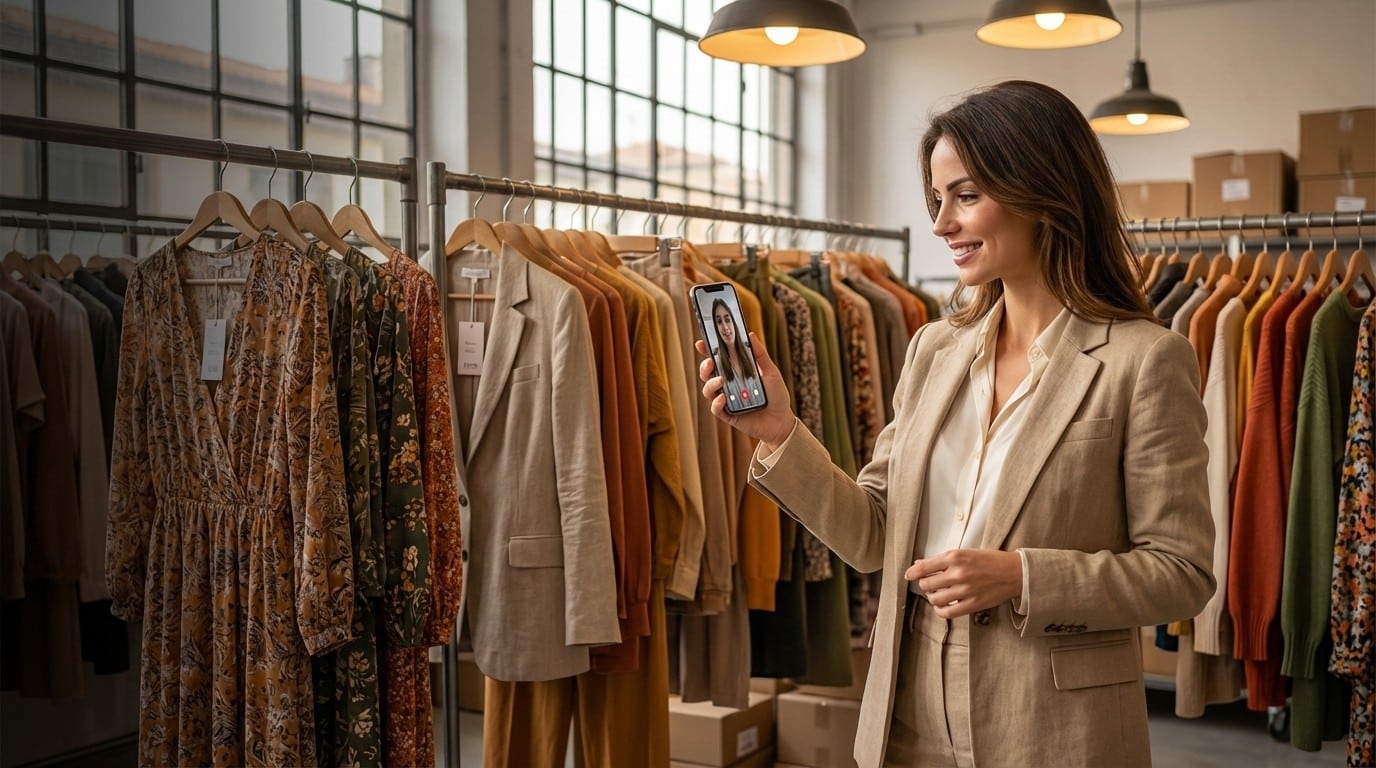
Launching a private label production run in Italy is one of the most valuable moves an independent retailer can make. The Made in Italy mark carries real commercial weight in boutique markets worldwide — it signals quality, craftsmanship, and a design heritage that mass-market alternatives simply cannot replicate. Yet for many buyers approaching the process for the first time, the mechanics remain opaque. How long does it actually take? What triggers a delay? What happens if the prototype comes back wrong? This article maps the complete production journey with Italian Fashion Sourcing, phase by phase, so you know exactly what to expect from the first conversation to the moment your parcels arrive at your store.
Why the Private Label Route Demands a Clear Timeline
The single most common mistake first-time private label buyers make is underestimating lead time. Unlike ready-to-wear pronto moda — where collections are available immediately off the rack — private label production involves a sequential process that cannot be meaningfully compressed. Each phase depends on the approval of the previous one. Rushing a sample sign-off to save a week often costs three weeks in revision rounds later. Understanding the full arc of the process before committing is not just useful — it is essential for planning your buying calendar, your cash flow, and your store launch dates.
IFS structures the private label journey as a 10 to 14 week process, depending on the complexity of the garments, the number of revision rounds requested, and the shipping destination. Simple styles with straightforward construction sit closer to the ten-week mark. Multi-component garments with custom prints, special trims, or complex finishing can extend toward fourteen. The timeline below reflects the standard workflow — one that has been refined across dozens of collections for boutiques in Northern Europe, North America, and the Middle East.
The Complete Private Label Production Timeline (10–14 Weeks)
The table below shows the full process, phase by phase. Each step has a defined deliverable and a clear handover point between client and IFS.
| Week | Phase | What Happens |
| 1–2 | Briefing & Consultation | Initial call: budget, style direction, quantities. IFS assesses feasibility and proposes fabric/silhouette options from the Italian district network. |
| 2–3 | Fabric Selection & Sampling Start | IFS sources fabric swatches and trims from verified Prato/Bologna suppliers. Client approves materials. Prototype development begins with selected manufacturer. |
| 4–5 | Prototype Production | The garment factory produces the first sample. Quality, construction, and fit are checked by IFS before shipment. |
| 5–6 | Sample Shipment & Client Review | Prototype is shipped to the client. Client reviews fit, finish, and labelling. Revision requests are compiled and sent back. |
| 6–7 | Revisions (if needed) | The manufacturer implements approved changes. A second sample may be produced for significant modifications. Minor changes skip this round. |
| 7–8 | Final Approval & Production Sign-off | Client provides written approval of the final sample. This is the non-negotiable go-ahead for full production. No batch is started without it. |
| 8–11 | Full Production Run | Manufacturing begins. IFS monitors progress and performs quality control at key stages. Minimum 100 pieces per style; total order value from €5,000. |
| 11–12 | Labelling, Packaging & QC | Custom labels, swing tags, and individual polybags are applied. Final inspection is completed before consolidation. |
| 12–14 | Export Documentation & Shipment | IFS prepares all customs documentation. The complete order is shipped as a single consolidated package to the client’s destination. |
One detail worth emphasising: production never starts without written sample approval. This is a non-negotiable rule, not a formality. It protects both parties and ensures the garments manufactured at scale are exactly what the client reviewed and signed off on. Payment for the full production order — 100% in advance by bank transfer or card via Nexi — is requested at this stage, before the batch enters the factory floor.
What Happens if the Sample Needs Changes
A prototype that comes back with revision requests is not a failure — it is a normal part of the process. Fit adjustments, finishing tweaks, and minor construction changes are expected on first samples, particularly when working with a new manufacturer. The key is distinguishing between minor revisions and significant structural changes. Minor revisions — hemline adjustments, button placement, lining colour — are incorporated into a corrected sample quickly, typically within one to two weeks. Structural changes, such as altering a sleeve construction or recutting a bodice, require a full second prototype and add a round to the timeline.
IFS manages this process directly with the manufacturer, acting as the client’s representative on the ground. Feedback is consolidated, translated where necessary, and communicated precisely to the production team. Clients do not need to navigate Italian manufacturing contacts independently — the entire revision loop runs through IFS, with updates provided at each stage. For buyers who want to understand how this fits into the broader sourcing workflow, the complete IFS sourcing process covers both the ready-to-wear and private label paths in detail.
Labelling, Packaging, and Brand Identity in Italian Production
One of the clearest advantages of producing with IFS is the completeness of the brand experience built into every order. Private label production is not limited to garment manufacturing — it encompasses the full identity layer that transforms a piece of clothing into a product carrying your brand. Custom labels, swing tags, and individual polybags are included in the production scope. Each item leaves the Italian manufacturer tagged and packaged under your brand name, ready to hit your rails or your e-commerce warehouse without a second handling step.
Label specifications — woven or printed, care symbol standards, country of origin marking — are agreed during the briefing phase and confirmed before prototype production begins. This avoids the common late-stage headache of garments arriving with incorrect label content. IFS clients working on their first private label collection often cite labelling as one of the most unexpectedly involved elements; having it handled as part of a single integrated workflow, rather than as a separate vendor relationship, is consistently flagged as a key operational advantage.
Minimum Orders, Pricing, and Financial Planning for Private Label
IFS sets a minimum order value of €5,000 per production run, with a minimum of 100 pieces per style. These thresholds exist for practical reasons: below them, Italian manufacturers cannot justify the setup costs of custom sampling, labelling infrastructure, and dedicated production slots. Buyers working across multiple styles within a single order can consolidate toward the minimum across the range — a realistic scenario for a capsule collection of three to five pieces.
For boutique owners comparing the private label route to wholesale sourcing, the economics look different at this scale. Per-unit costs are higher than pronto moda ready-to-wear, but margin potential is significantly stronger: you own the design, the label, and the exclusivity. There is no identical garment sitting in a competitor’s window. For buyers ready to explore whether private label production is the right step for their business, the private label production service page outlines the full scope of what is included, from prototype to delivery.
Export Documentation, Customs, and Final Delivery
The final phase of the timeline — weeks 12 to 14 — covers everything that happens between a completed, QC-approved production run and the goods arriving at your destination. IFS manages the export documentation in full: commercial invoices, packing lists, certificates of origin, and any additional paperwork required by the destination country. For buyers importing into markets with specific requirements — the UAE, Canada, or Australia, for example — these logistics are handled through IFS’s established freight partners, with experience across each market.
All items from a single production order are consolidated into one shipment. The client receives a single package, a single customs declaration, and a single invoice — regardless of how many styles or manufacturers were involved in the production. This consolidation service is one of the operational pillars that makes IFS particularly efficient for buyers who are not set up to manage multi-vendor Italian logistics independently. The entire process, from the first briefing call through to final delivery, is managed by a single point of contact. For those comparing private label with ready-to-wear wholesale, reading about how to launch a private label fashion brand provides useful context on the strategic decision between the two routes.
If you are ready to move your brand from concept to a manufactured collection with a Made in Italy label, the first step is a consultation with the IFS team. Every private label project begins with a structured briefing — a conversation to understand your design direction, your target market, your quantities, and your timeline. There is no generic intake form. The process starts with a real conversation. You can apply through the IFS interview form, and the team will assess whether your project is a strong fit for the IFS private label workflow. Client intake is selective, which means the projects that do proceed receive dedicated attention throughout the full production cycle.