
Italian fashion wholesale is not a single format or a single channel. For international buyers approaching it for the first time, the term tends to evoke trade fairs, showrooms packed with rails, or catalogue-based ordering systems. The reality in Prato, Italy’s largest ready-to-wear district, is more structured and more operationally specific than most buyers expect. Understanding how it works before you begin is the difference between a productive sourcing trip and an expensive learning curve. The wholesale market here runs on physical showrooms, seasonal collections, and minimum order thresholds that vary by supplier, category and product type. Access is not open to the public: suppliers in the Prato district work primarily with verified trade buyers, and most require a basic credentialing process before allowing anyone to place orders. This is a professional B2B environment, and the rules of engagement reflect that.
How Italian Fashion Wholesale Showrooms Are Structured
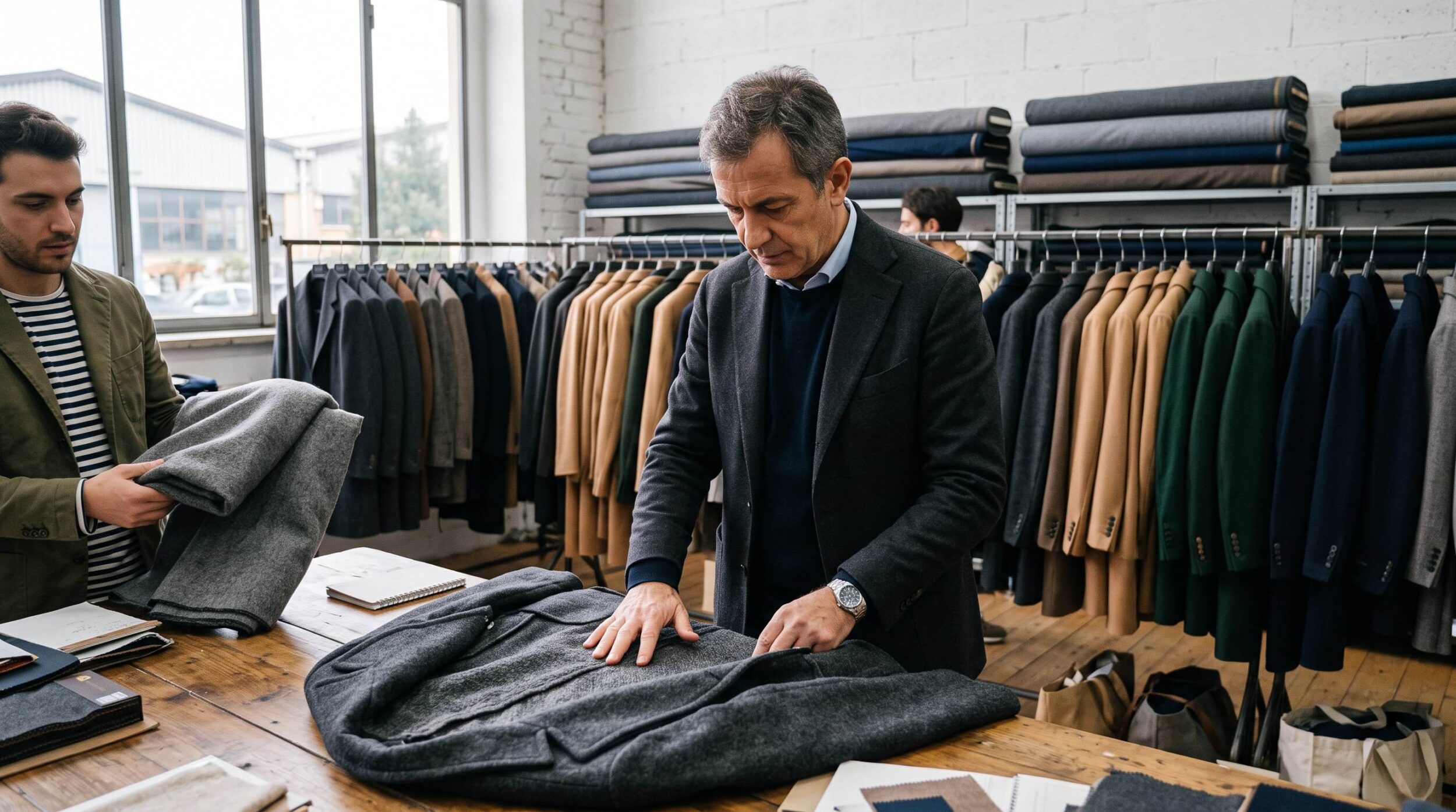
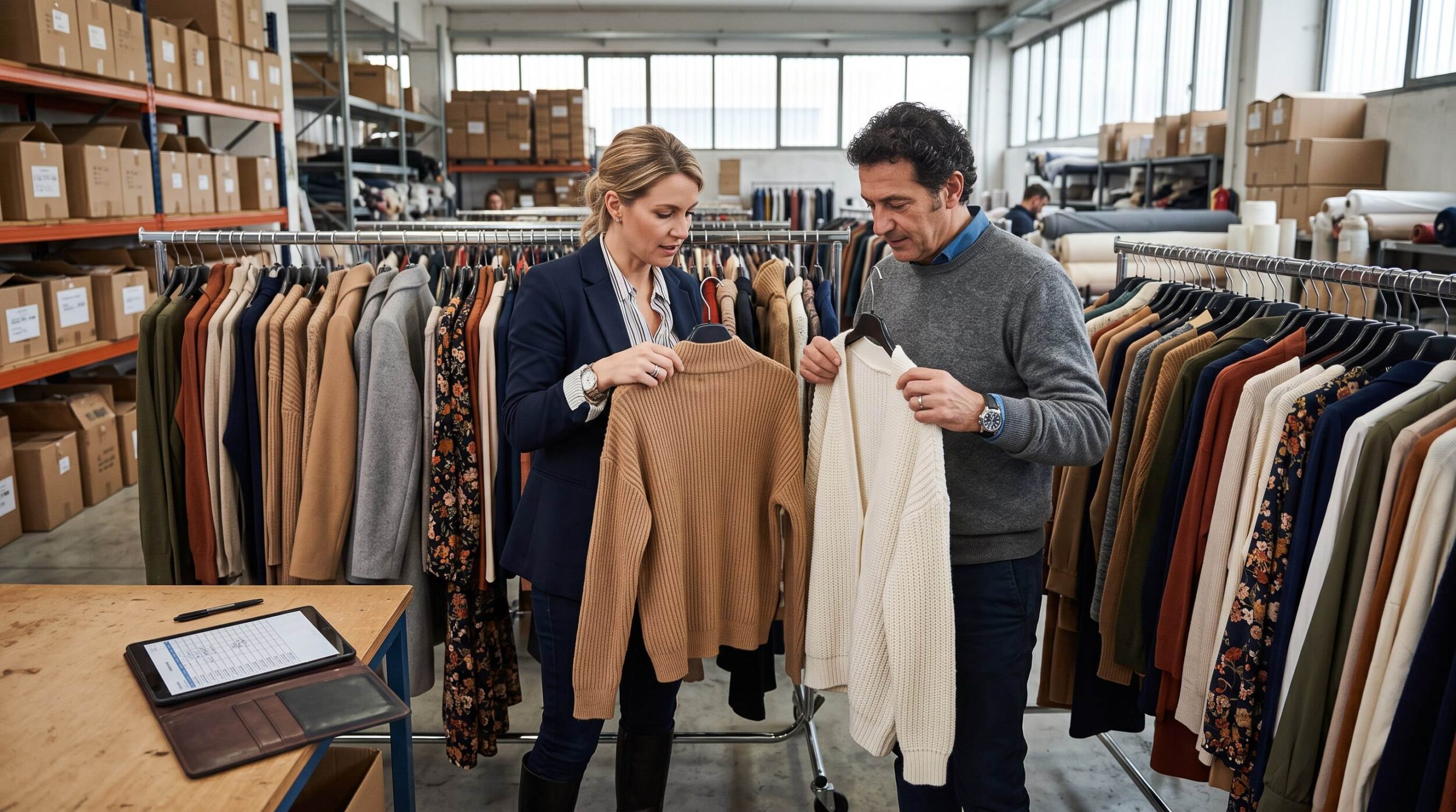
A typical Prato wholesale showroom is not a boutique and not a warehouse. It sits somewhere between the two: a commercial space where current-season stock is displayed on rails, grouped by category, fabric or style family. Buyers walk the floor, handle the garments, check construction and finishing quality directly, and place orders from available stock. Most showrooms carry women’s ready-to-wear across multiple price points within the mid-market segment, casualwear, linen coordinates, printed dresses, jersey layers, outerwear depending on season. Each showroom operates independently, with its own product mix, pricing structure and order minimums. There is no central catalogue and no unified platform where you can browse across suppliers. This is why local knowledge and pre-selection matter enormously: without a curated shortlist of showrooms matched to your store profile, a visit to Prato can quickly become disorienting. The district has thousands of operators, and the signal-to-noise ratio for any individual buyer is low without a guide.
Minimum Orders in Italian Fashion Wholesale: What to Expect
Minimum order quantities in Italian pronto moda wholesale are lower than many buyers anticipate, but they require understanding at two levels: the per-supplier minimum and the per-style minimum. At the supplier level, most Prato showrooms require a minimum spend of between €300 and €500 per visit. This is not a formal deposit but a practical threshold below which the operational cost of processing an order outweighs the margin for the supplier. At the style level, most items are available in minimum runs of 2 to 12 pieces, depending on whether the article is a slow-moving statement piece or a high-rotation basic. For buyers sourcing across multiple suppliers in a single session, which is the norm rather than the exception, these minimums compound. A session across six showrooms with a €400 average minimum means a floor investment of roughly €2,400 in product before logistics. This is one of the reasons sourcing agents consolidate orders: working with a pre-selected shortlist of showrooms matched to your budget allows you to meet minimums intelligently without over-committing on any single supplier.
The Live Buying Session: How Italian Fashion Wholesale Purchasing Works in Practice
The operational format that Italian Fashion Sourcing uses for its clients is the live video buying session: a real-time walkthrough of pre-selected Prato showrooms conducted via video call, guided by a local buyer who handles the physical access, garment handling, supplier negotiation and order placement on behalf of the international buyer. The session runs across a single working day and typically covers four to eight suppliers, depending on the client’s category requirements and budget range. Before the session takes place, a full scouting phase identifies which showrooms are carrying product relevant to the client’s store profile, price positioning and current season. Only verified, relevant suppliers are included in the session itinerary. During the call, the buyer sees garments in real time, asks questions, requests closer inspection of specific details, seams, labels, fabric weight, and confirms selections live. Orders are placed on the spot. This format eliminates the cost and logistical complexity of a physical sourcing trip to Italy while preserving the hands-on quality assessment that catalogue-based buying cannot replicate. You can read more about how this process is structured on the fashion sourcing and purchasing service page.
Order Consolidation and Shipping: The Final Stage of Italian Fashion Wholesale
One of the structural advantages of working with a local sourcing agent in Prato is order consolidation. When a buyer places orders across multiple showrooms in a single session, each supplier issues a separate invoice and prepares a separate shipment. Without consolidation, the buyer receives multiple parcels, pays multiple shipping fees, and manages multiple sets of customs documentation, a logistical and financial inefficiency that compounds with every additional supplier. Consolidation solves this by collecting all orders at a single logistics point, combining them into one shipment, producing a unified commercial invoice, and managing the customs documentation for a single export. For most international destinations, whether that is the UK, Canada, the UAE or Australia, this means one entry on the import declaration, one customs clearance process, and one delivery. Lead times from session to delivery depend on destination and shipping method, but for standard courier services to European addresses, typical windows run between five and ten business days from the date orders are consolidated.
Why the Italian Fashion Wholesale Process Requires Preparation, Not Just Budget
Budget is necessary but not sufficient for a productive Italian fashion wholesale session. The buyers who extract the most value from a Prato sourcing session are those who arrive, physically or virtually, with a clear store brief: which categories they need to fill, which price points they are targeting, which fabrics and silhouettes align with their customer’s preferences for the coming season. Without this preparation, the density of product on offer in a Prato showroom becomes a liability rather than an asset. It is easy to overbuy on product that looks appealing in a showroom but underperforms on the shop floor. The scouting phase that precedes a session with Italian Fashion Sourcing is designed specifically to filter the market against the client’s brief. For businesses looking to develop their own collections, our private label production service offers a structured approach to working with Italian manufacturers. Understanding the full sourcing process helps international buyers make informed decisions whether they choose ready-to-wear wholesale or custom development. If you are still in the research phase and working out whether Italian pronto moda wholesale fits your store’s sourcing model, the article on quality and pricing in the pronto moda segment covers the margin mechanics in detail. The first step toward a session is completing the initial interview at italianfashionsourcing.com/interview/.