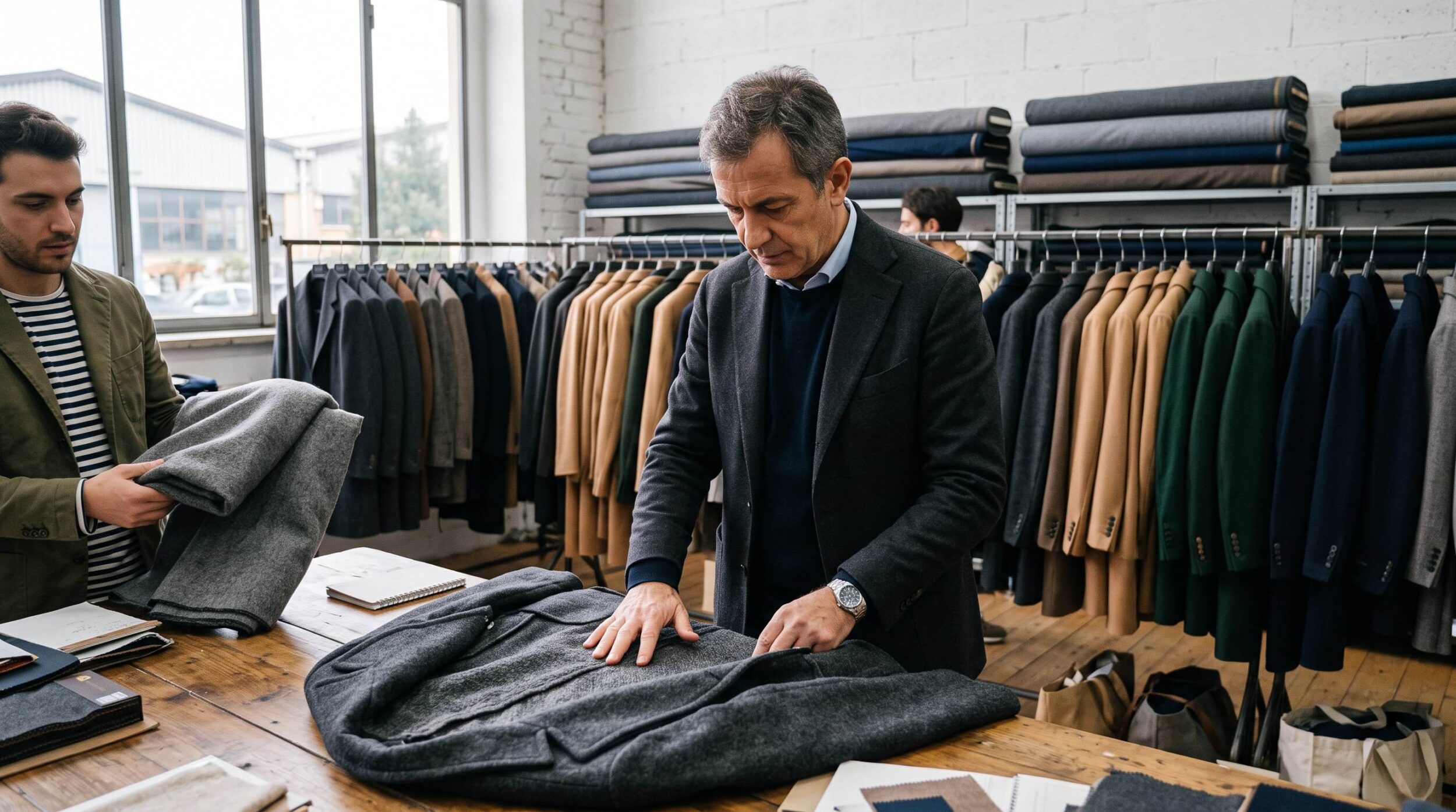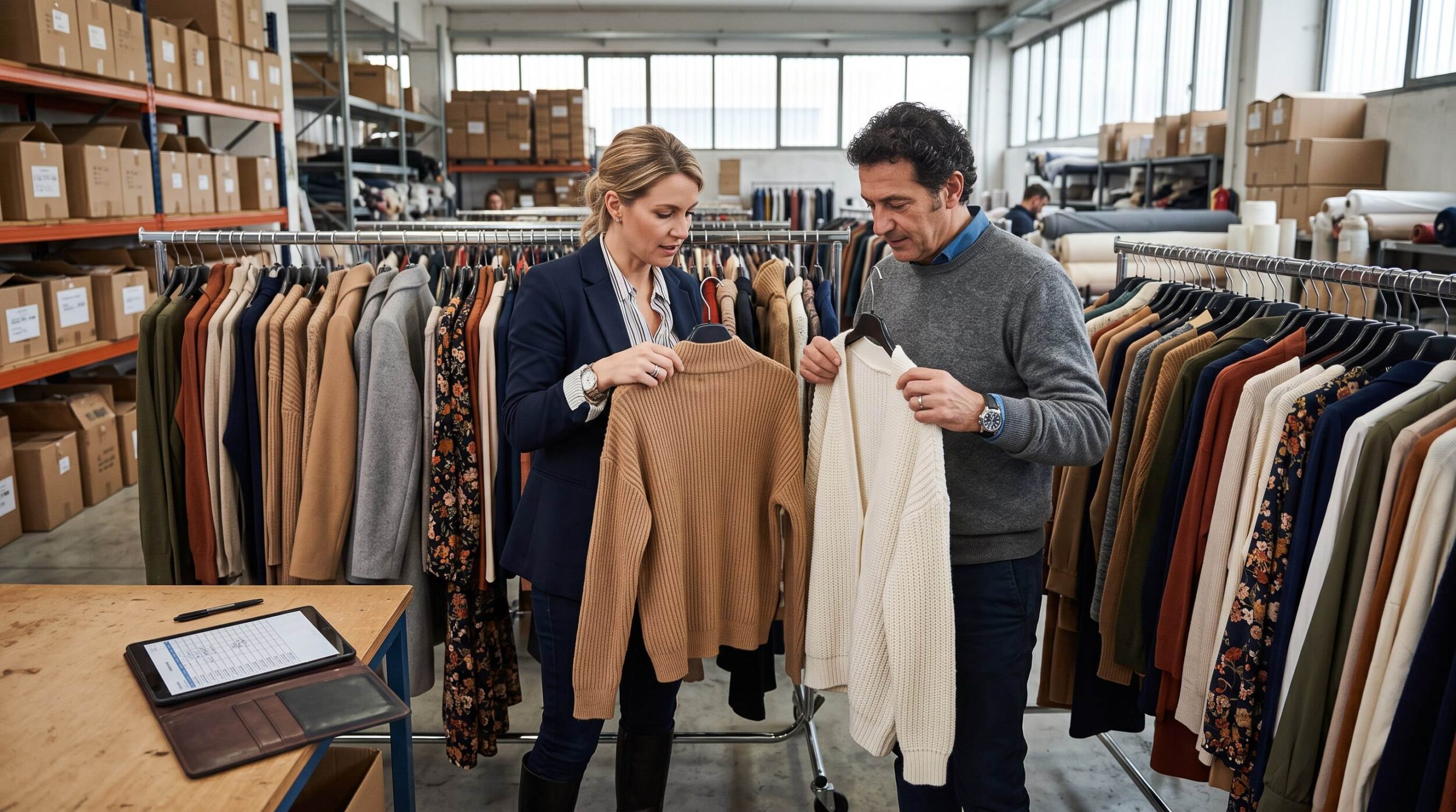

International buyers new to Italian fashion wholesale frequently underestimate the logistical complexity that follows a buying session. The shipping, customs documentation and import duty calculation that follows the purchase decision is less visible but equally consequential for the landed cost and the delivery timing that determines whether the product arrives in time to drive full-price sales. A buyer who consolidates orders correctly, prepares documentation accurately and plans the shipping timeline against their season opening date extracts the full financial and operational value from the sourcing exercise.
How Order Consolidation Works in Italian Fashion Wholesale
Order consolidation is the process of collecting purchases from multiple Prato showrooms into a single combined shipment dispatched from one logistics point. After a buying session is confirmed and paid, Italian Fashion Sourcing collects all ordered stock from each supplier over one to three business days. All collected pieces are inspected against the order confirmation before being packed together into a single shipment. A consolidated commercial invoice covering all purchases from all suppliers is prepared, along with a detailed packing list and export documentation. The cost saving on shipping alone, eliminating multiple individual courier fees, is typically €150 to €400 for a standard boutique buy, depending on destination.
Customs Documentation for Italian Fashion Wholesale Exports
Exporting fashion wholesale product from Italy to non-EU destinations requires a standard set of customs documentation. The commercial invoice must accurately state the description of each product (fabric content, garment type, gender category), the country of origin (Italy), the HS tariff code for each product category, and the total shipment value in Euros. For shipments to most international destinations, an EUR.1 movement certificate or a declaration of preferential origin may be required to access preferential tariff rates under trade agreements. The complete guide to importing Italian fashion for international buyers covers the import requirements for major destination markets in detail.
Import Duties on Italian Fashion Wholesale by Destination Market
Import duties on Italian fashion wholesale vary significantly by destination market. EU buyers importing Italian goods within the single market pay zero import duties. UK buyers post-Brexit face standard UK Global Tariff rates for textile imports from the EU, which for most women’s ready-to-wear categories run between 12% and 16% of the customs value. Canadian buyers benefit from CETA, which eliminates or significantly reduces import duties on Italian fashion imports for qualifying goods. US buyers face standard MFN tariff rates that vary by fabric content and construction category. Australian buyers face textile import duties under Australia’s autonomous tariff schedule.
Delivery Timelines from Italian Fashion Wholesale Session to Shop Floor
The total lead time from buying session to shop floor for Italian fashion wholesale product is shorter than most buyers expect. From session confirmation and payment, consolidation typically takes two to four business days. Standard courier services from Prato to Northern European destinations deliver in three to five business days from despatch. To North America, standard international courier delivers in five to eight business days. To the Middle East and Australia, ten to fourteen business days is the standard planning assumption. The article on timing SS26 wholesale buys for maximum commercial impact provides the specific calendar logic.
What Italian Fashion Wholesale Buyers Need to Prepare on the Import Side
While Italian Fashion Sourcing handles the export documentation and consolidated shipping from Prato, buyers are responsible for the import side in their destination country. For most standard boutique buyers importing wholesale fashion for commercial resale, this means having an active customs importer registration or EORI number (in the UK and EU), an Importer of Record designation (in the US and Canada), or the equivalent registration in their jurisdiction. For first-time importers who have not previously brought goods from Europe, establishing the necessary import registrations should happen before the buying session, not after. Comprehensive Italian fashion services include advising all new clients on import preparation during the intake process at italianfashionsourcing.com/interview/.