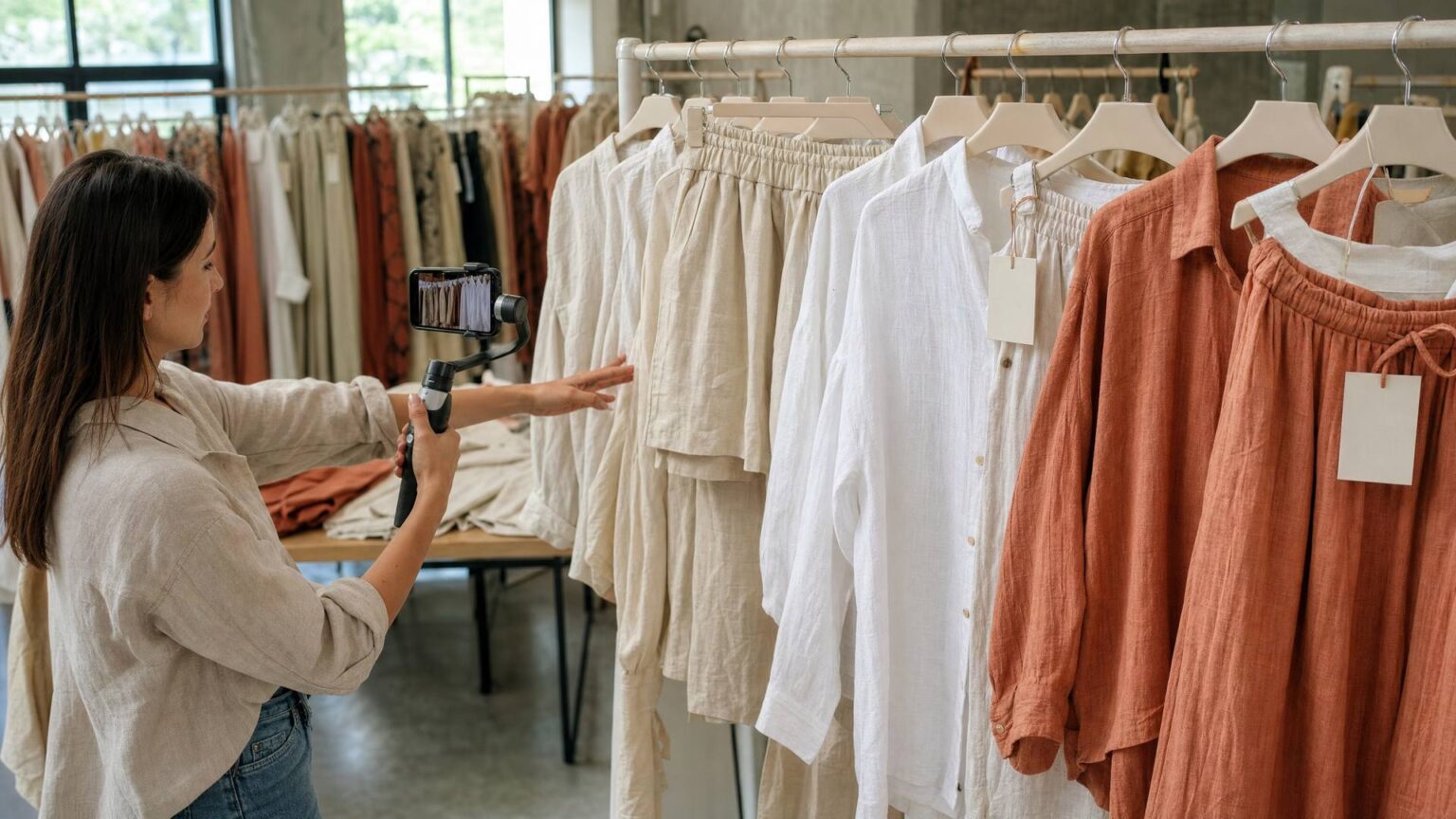
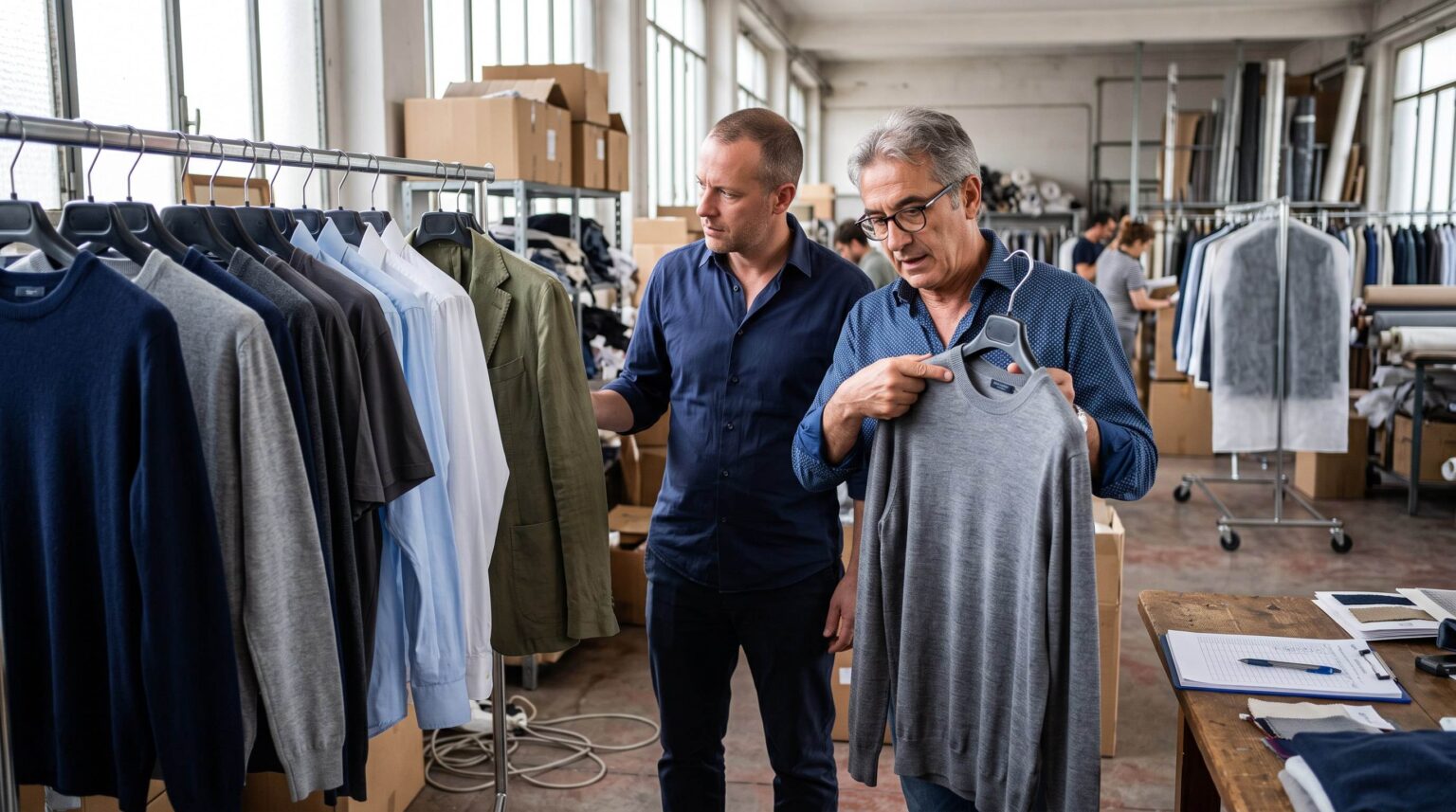
Rail of wholesale fall clothing from Italy with faux fur jacket, tobacco blazer, kimono sets and cropped padded jacket

Sourcing Strategy

The Sourcing Strategy section is where we examine the decisions that determine whether an Italian wholesale buying programme generates strong returns, or doesn’t.

Good sourcing is not just about finding the right garments. It is about structuring a buying programme that maximises full-price sell-through, manages markdown risk, builds supplier relationships that compound in value over seasons, and allocates budget across categories in a way that reflects how the customer actually buys. These are strategic decisions, and most buyers make them implicitly rather than explicitly, which means they often don’t know why a season went well or badly.

The articles in this section address sourcing strategy across its full range: margin mechanics and how Italian wholesale pricing translates into retail return, supplier selection criteria and what separates a high-value Prato supplier relationship from a one-off transaction, buying timing and why the sourcing window matters more than most buyers appreciate, and the strategic logic behind Made in Italy positioning as a commercial differentiator.

We write for buyers who want to think more clearly about what they are doing and why, not for buyers looking for a quick tip. If that describes you, this section is for you.

Sourcing Strategy

Wholesale Fall Clothing From Italy: Building an Autumn-Winter Order for a Warm-Climate Boutique

Buying wholesale fall clothing for a store with a short, mild winter is a different exercise from stocking a shop in northern Europe. Heavy coats sell slowly, while statement jackets, light tailoring and coordinated sets carry the season. This article follows the autumn-winter order that a multi-brand boutique from Kuwait City placed with ten suppliers in Prato, explaining how the categories were chosen, how weight and colour were balanced, and why product photos became part of the order once the goods were bought.

Sourcing Strategy

Wholesale Clothing Suppliers in Europe for Buyers Outside the EU

For boutiques in the Gulf, the United Kingdom, North America or Australia, finding wholesale clothing suppliers in Europe raises questions that EU buyers never face: who will export the goods, how invoices from many suppliers become one shipment, and how documents are prepared for customs at home. This article looks at where non-EU buyers find European suppliers, why Italian pronto moda is a strong option, and how a boutique from Kuwait City received a large autumn-winter order from ten Prato suppliers as consolidated shipments.

Sourcing Strategy

Where Boutiques Buy Their Clothes: Trade Shows, Showrooms and the Prato District

Independent boutiques buy their clothes through a small number of channels: trade fairs, brand showrooms and agents, online wholesale platforms and production districts such as Prato. Each one shapes what a store can offer, how exclusive its rail looks and how quickly it can react to what sells. This article compares the channels from a buyer’s point of view, drawing on the experience of a multi-brand boutique from Kuwait City that had bought at European trade fairs for years before sourcing its autumn-winter order directly in Prato.

Sourcing Strategy

White Label Clothing Manufacturers in Italy: Which Suppliers Accept Your Label

Finding white label clothing manufacturers in Italy is less about searching directories and more about knowing how Prato suppliers are organised. Some warehouses sell their own registered brand and protect it, others produce for anyone and expect buyers to apply their own label, and many sit in between. This article explains how to tell them apart, what to agree before the order and how origin, quantities and timing affect a white label purchase, with examples from an autumn-winter order relabeled for a boutique in Kuwait City.

Sourcing Strategy

White Label Clothing From Italy: Selling Pronto Moda Under Your Boutique’s Name

White label clothing lets an independent boutique sell finished Italian garments under its own name, with no design work and no production minimums beyond the supplier’s usual quantities. This article explains how white label works in the Prato pronto moda district, how it differs from private label production, which elements of the garment change and which stay, and what a multi-brand boutique from Kuwait City learned when it relabeled most of its autumn-winter order. It is written for buyers weighing their first step towards a store brand.

Sourcing Strategy

Roll Necks and Fine Gauge Knits: The Layer That Sells Under Every Coat

Fine gauge roll necks and mock necks are bought last and sold first, which is why they deserve more planning than they usually get. This article covers how thin knits price across the Italian districts, the difference between a full roll neck and a mock neck at retail, how to read gauge and fibre before committing, and why depth belongs in four neutral colours rather than eight seasonal ones. It also explains how the base layer changes the way a customer sees the coat above it.

Sourcing Strategy

Building a Winter Outerwear Rail: How Many Coats a Boutique Should Actually Buy

Winter outerwear absorbs a large share of a boutique budget and carries the highest risk per unit of any category in the order. This article sets out the arithmetic behind a working coat rail: how much of the winter spend belongs in outerwear, how many references a store of a given size can carry, how deep to buy each one across the Italian size run, and why part of the budget should stay uncommitted until the season starts showing what the market wants. The figures come from orders consolidated for boutiques in Europe, North America and the Gulf.

Sourcing Strategy

Closing Q4: Using Late-September Buying to Fix the Gaps in Your Winter Assortment

By the end of September the first weeks of winter selling have already produced usable data, and there is still a narrow window to act on it. This article explains how to read early sell-through in a boutique or e-commerce shop, how to distinguish a real winter assortment gap from a style that simply did not work, and what is still worth ordering at this point in the cycle. It covers the pronto moda constraint on reassortment, the cost logic of small top-up orders, and the operational timing between a confirmed order and delivery to the shop. Gaps that cannot be closed now become the starting brief for the next buying season.

Sourcing Strategy

Italian Linen Wholesale for Australia, New Zealand and South Africa: Buying for the Southern Summer

Boutiques in Australia, New Zealand and South Africa sell linen from November to March, exactly when the Prato district has moved on to autumn and winter. This guide explains what can realistically be bought from Italy in October and November, how to plan the main linen buy for the following southern summer, which duties and taxes apply in each country, and which pieces perform best in southern climates. It closes with how remote buyers source Italian linen through live sessions without travelling to Prato.

Sourcing Strategy

Menswear in the Italian Districts: What Is Really Available for Boutique Buyers

Menswear is a minority category in the Italian pronto moda districts, and pretending otherwise wastes a buyer’s season. This article explains why Prato grew around womenswear, which men’s categories realistically turn up in stock, and why a men’s assortment absorbs more search time and more suppliers for the same budget. It also covers dedicated production as an alternative, the minimums it carries, and the limits we state openly before a request goes further.

Italian fashion supply, curated and delivered to your inbox.

Join the Insider List

Be the first to access ready-to-wear drops, supplier insights and private label tips. No noise—only what helps your business buy smarter.
Need help?
Chat with us