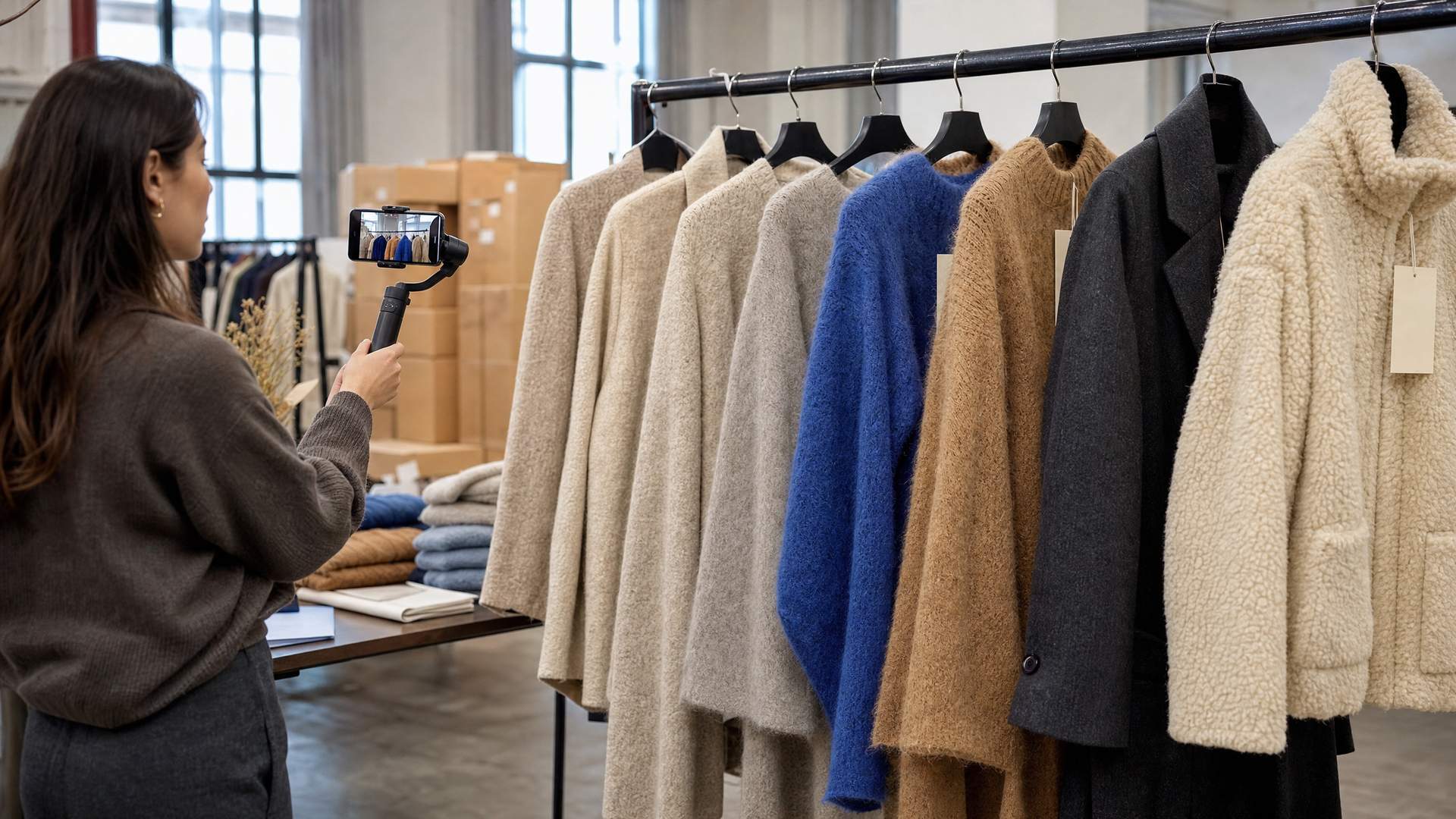
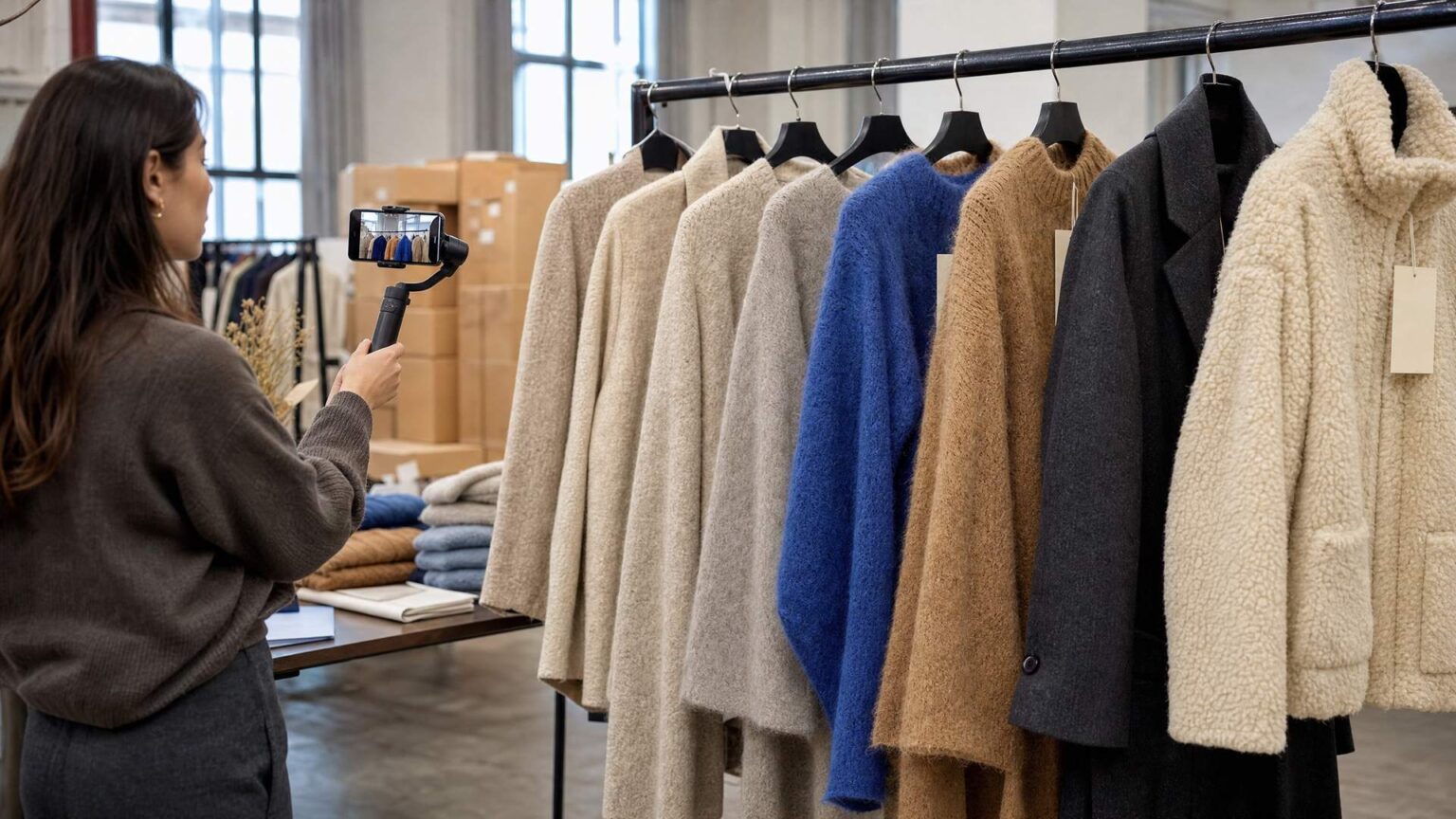
Sourcing agent filming alpaca coatigans, mohair sweaters and coats in Prato during a live session for Italian winter wholesale to Australia

Sourcing Strategy

The Sourcing Strategy section is where we examine the decisions that determine whether an Italian wholesale buying programme generates strong returns, or doesn’t.

Good sourcing is not just about finding the right garments. It is about structuring a buying programme that maximises full-price sell-through, manages markdown risk, builds supplier relationships that compound in value over seasons, and allocates budget across categories in a way that reflects how the customer actually buys. These are strategic decisions, and most buyers make them implicitly rather than explicitly, which means they often don’t know why a season went well or badly.

The articles in this section address sourcing strategy across its full range: margin mechanics and how Italian wholesale pricing translates into retail return, supplier selection criteria and what separates a high-value Prato supplier relationship from a one-off transaction, buying timing and why the sourcing window matters more than most buyers appreciate, and the strategic logic behind Made in Italy positioning as a commercial differentiator.

We write for buyers who want to think more clearly about what they are doing and why, not for buyers looking for a quick tip. If that describes you, this section is for you.

Sourcing Strategy

Italian Winter Wholesale for Australia and the Southern Hemisphere: Buying on an Inverted Calendar

Boutiques in Australia, New Zealand, South Africa and South America sell winter clothing between May and August, when the Prato district is already deep in its summer collections. This guide explains when Italian knitwear and coats can realistically be bought for a southern winter, how to plan the cash and storage that an inverted calendar requires, which pieces suit southern climates, and what duties and shipping costs to expect in each market.

Sourcing Strategy

Italian Outerwear Wholesale: Coats, Padded Jackets and Teddy for Boutiques

A guide to Italian outerwear wholesale for boutiques that want to build a winter coat rail with pieces from the Prato district. It covers the main categories, from structured wool blend coats to padded jackets, teddy and faux fur, the price levels at wholesale, how to read fabric and fill before ordering, how many coats a boutique should buy and when, and how bulky outerwear orders are shipped and costed.

Sourcing Strategy

Two Collections, One Budget: Managing Cash Flow Across Autumn and Spring Buying

The winter order and the first spring commitments fall only weeks apart, while the shop’s own takings arrive later. This article looks at boutique buying budget planning as a cash flow problem rather than a styling one: what full prepayment before shipment changes for a retailer used to credit terms, how to split a season between opening order and reorder, why a reserve outperforms a wider first purchase, and how freight and DAP duties fit into the full landed cost of a garment.

Sourcing Strategy

Italian Knitwear Wholesale: Fibres, Prices and Quality for Boutique Buyers

A complete guide to Italian knitwear wholesale for independent boutiques. It explains the fibres and blends found in Prato knitwear, from kid mohair and baby alpaca to cashmere blends and fine wool, the price bands that structure a knitwear wall, the formats that sell best, how to judge quality in the showroom, and how to time orders and reorders across the winter. It closes with shipping, landed cost and private label options for retailers who want their own knitwear line.

Sourcing Strategy

Italian Winter Clothing Wholesale: The Complete Guide for Boutique Buyers

A practical guide to buying Italian winter clothing wholesale for independent boutiques and multi-brand retailers. It explains how the Prato district produces its autumn and winter collections, when to buy and how to split the budget across the season, what price levels and minimums to expect for knitwear, coats and dresses, how bulky winter orders are shipped and documented, and how international buyers work with a local buyer through live sessions or showroom visits.

Sourcing Strategy

Winter Dresses and Occasionwear: Sourcing the Holiday Season From Italy

The last weeks of the year carry a large share of a boutique’s annual margin, and the occasion assortment that drives them has to be ordered far earlier than most retailers assume. This article sets out how to count backwards from a November floor date through shipping and customs clearance, which categories make up a coherent occasionwear range, and how accessories lift the value of each sale. It also covers the risk side: occasionwear rotates in a few weeks, reassortment in pronto moda is never guaranteed, and buying too deep in September means holding evening dresses in January.

Sourcing Strategy

Cruise and Early SS27: Planning the Warm-Weather Buy While You Are Buying Winter

Warm-weather buying lands in the middle of the winter order, and boutiques serving hot markets or running a cruise capsule have to work both calendars together. This article looks at when the first linens and silks reach the Prato warehouses, how to divide a budget across two overlapping seasons, which fabrics have to be committed early because they do not come back, and why retailers in the southern hemisphere need to buy on Italian timing rather than on their own retail calendar.

Sourcing Strategy

Scarves, Belts and Small Leather Goods: The Add-On Categories That Lift Basket Value

Small accessories change a boutique’s numbers before they change its window. Scarves, belts and small leather goods carry no size curve, so they do not generate broken-curve residuals, and their supplier minimums stay low enough to test a line without committing the season’s budget. This article looks at where they belong on the floor and in the online cart, how they lift the average basket without additional traffic, and why they are best added to a buying session that is already scheduled rather than organised on their own.

Sourcing Strategy

Handbags From the Italian Districts: Buying Stock or Producing Your Own

A boutique or an online store adding bags has two realistic routes into the Italian districts. Buying finished stock lets you judge the product before paying, keep quantities small and reorder while a model lasts. Commissioning your own line gives exclusivity but requires sampling, longer timelines and minimums of 3,000 euro and 100 pieces per model. This article compares both, explains why specialised material minimums often bind harder than piece counts, covers vegan leather supply chains, and sets out why price positioning determines what the finished bag can realistically be.

Sourcing Strategy

After the Order Lands: Product Data, Measurements and Photography for Your E-commerce

Goods bought in Italy only generate revenue once they exist as published product pages. This article explains how to organise wholesale product data for ecommerce before the cartons arrive: recording composition, colour names and style codes during the buying session, measuring garments flat and publishing real dimensions instead of relying on size labels, writing descriptions that cover fabric hand, occasion and care, and separating still life catalogue photography from editorial work. It also covers why pronto moda rotation makes fast publication a commercial decision rather than a preference.

Italian fashion supply, curated and delivered to your inbox.

Join the Insider List

Be the first to access ready-to-wear drops, supplier insights and private label tips. No noise—only what helps your business buy smarter.
Need help?
Chat with us