Italian clothing suppliers are not a uniform category. The Prato district alone contains thousands of businesses operating at different points in the fashion supply chain, fabric producers, garment manufacturers, wholesale distributors, multi-brand showrooms, stock liquidators and finishing specialists. For an international boutique buyer trying to understand how to access this market, the first and most important task is identifying which type of supplier is relevant to their specific need. Approaching the wrong type of business, or approaching the right type with the wrong expectations, is how buyers lose weeks of sourcing time without placing a single viable order.
The Structure of the Italian Clothing Supplier Landscape in Prato
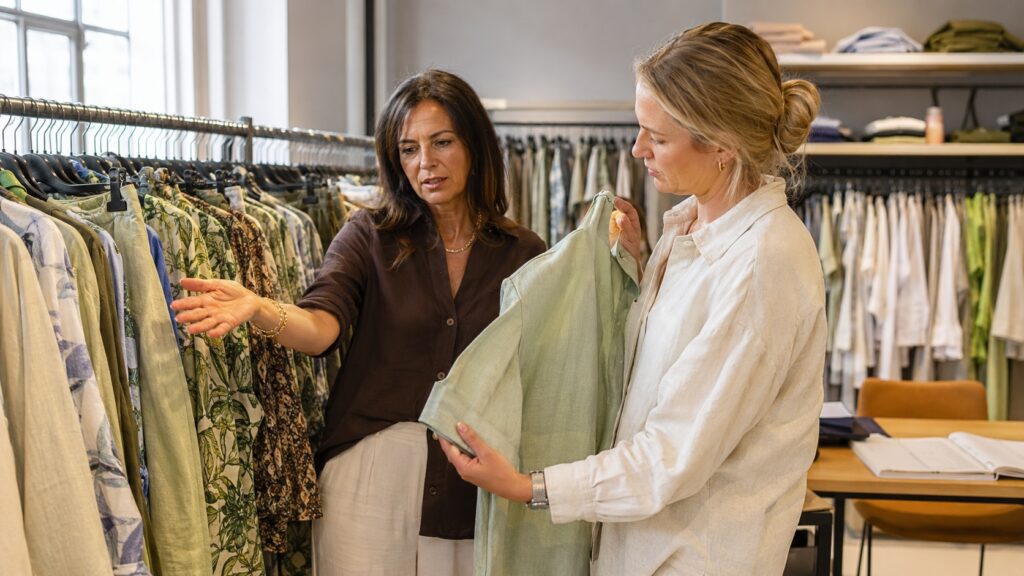
The Prato district’s supplier landscape can be understood in terms of three main operational categories. The first is the pronto moda wholesale showroom: a business that holds finished ready-to-wear stock and sells it to professional buyers at wholesale price per piece, with no production involvement and no minimum commitment beyond the per-showroom threshold. These are the most accessible Italian clothing suppliers for boutique buyers, because the stock exists, the transaction is immediate, and the relationship does not require any prior development work.
The second category is the manufacturer-wholesaler hybrid: a business that produces its own collection in a dedicated workshop but also operates a wholesale showroom. These suppliers offer the same ready-to-ship accessibility as the first category but with a tighter, more coherent collection and often a stronger aesthetic identity. They typically require slightly higher minimums and are more selective about who they sell to, because they are protecting their design investment. The third category is the pure manufacturer, which produces garments to order against a buyer’s specification and does not hold finished stock. This is the private label production route, which operates on a different timeline and requires a higher level of buyer-side commitment.
How Italian Clothing Suppliers in Prato Find and Qualify Their Buyers
Italian clothing suppliers in the Prato district do not actively recruit international buyers through digital marketing or e-commerce platforms. Their commercial model is built around in-person relationships developed over multiple seasons, and the vast majority of their client base comes through personal introductions, trade fair contacts or word of mouth within the industry. A supplier who has been selling to boutiques in Scandinavia, Canada or the Gulf for ten years did not acquire those clients through a Google search, they acquired them through a network of buying agents, trade contacts and repeat visitor relationships.
The practical consequence for buyers who are new to the market is that cold outreach to Prato suppliers, unsolicited emails, LinkedIn messages, contact form submissions, rarely generates a useful response. Suppliers who do respond to cold international inquiries are often either not the most in-demand operations in the district, or they are distributors adding a margin layer rather than primary producers. The most commercially relevant Italian clothing suppliers are typically too busy with their established client base to engage systematically with inbound inquiries from unknown buyers.
What Italian Clothing Suppliers Actually Expect from Boutique Buyers
When a Prato wholesale showroom receives a buyer, whether in person or via a video buying session managed by an agent, their expectation is a commercial transaction, not a window-shopping exercise. Italian clothing suppliers in the pronto moda segment expect buyers to arrive with a clear brief: a style direction, a target price range per piece, a realistic budget for the session, and the decision-making authority to place an order on the day. Buyers who attend without these elements, or who repeatedly ask to take photographs and return later with a decision, are generally not welcomed back.
This expectation of professional readiness extends to the financial side. Suppliers expect payment in euros, typically upfront or on very short terms, and they expect the buyer, or the buyer’s agent, to handle the logistics of getting the goods out of Italy. A supplier in Prato is not set up to manage customs documentation, international freight booking or consolidation of orders from multiple showrooms into a single shipment. That is the buyer’s responsibility, or, more precisely, it is what a sourcing agent handles on the buyer’s behalf. Understanding how the district functions from the supplier’s perspective is covered in useful detail in the Prato fashion district explainer published on this site.
How a Sourcing Agent Filters and Accesses Italian Clothing Suppliers
A sourcing agent with an active presence in Prato maintains a live, tested knowledge of the supplier network, which showrooms are carrying strong stock in a given season, which manufacturers have capacity for new private label clients, which suppliers have recently raised their quality standards and which have let them slip. This knowledge is built through weekly visits to the district, ongoing supplier relationships and direct feedback from client buying sessions across multiple seasons. It is not information that can be assembled from the outside through online research.
The filtering role of an agent is particularly valuable for buyers whose style direction or budget places them in a specific segment of the market. Not every supplier in Prato is appropriate for every buyer: a showroom specialising in heavily embellished occasionwear serves a different boutique profile than one focused on clean linen separates, and a supplier whose minimum spend is EUR 800 per visit is not well matched to a buyer with a total session budget of EUR 2,000. An agent who knows the market can match buyer profile to supplier selection before the session begins, eliminating wasted time and ensuring that every showroom visit has a realistic conversion prospect. The complete Italian fashion sourcing process is explained through the detailed methodology section. This is the operational function described in the IFS article on the strategic role of a local buyer in the Prato district.
Evaluating Italian Clothing Suppliers: Quality Indicators That Matter
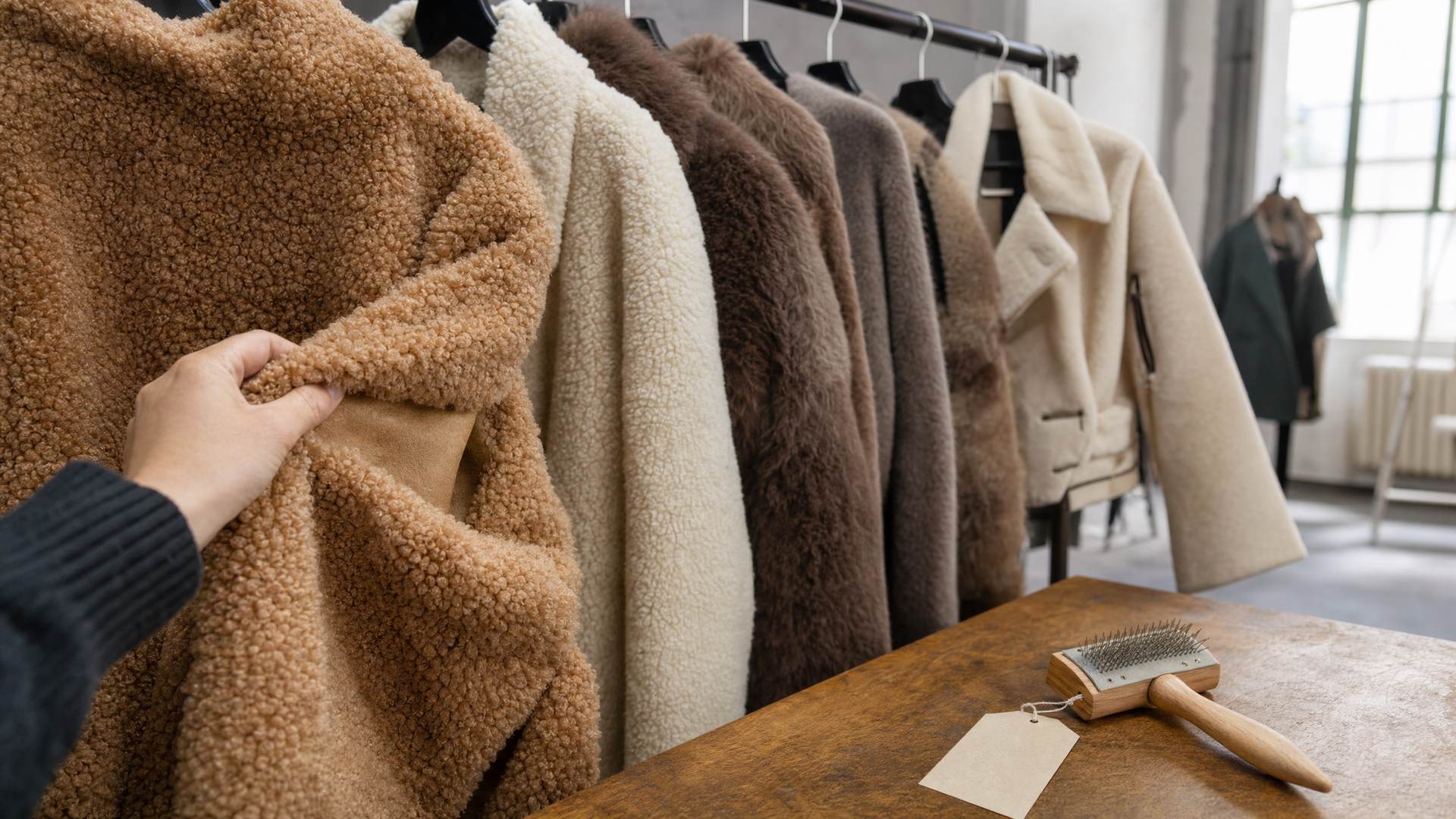
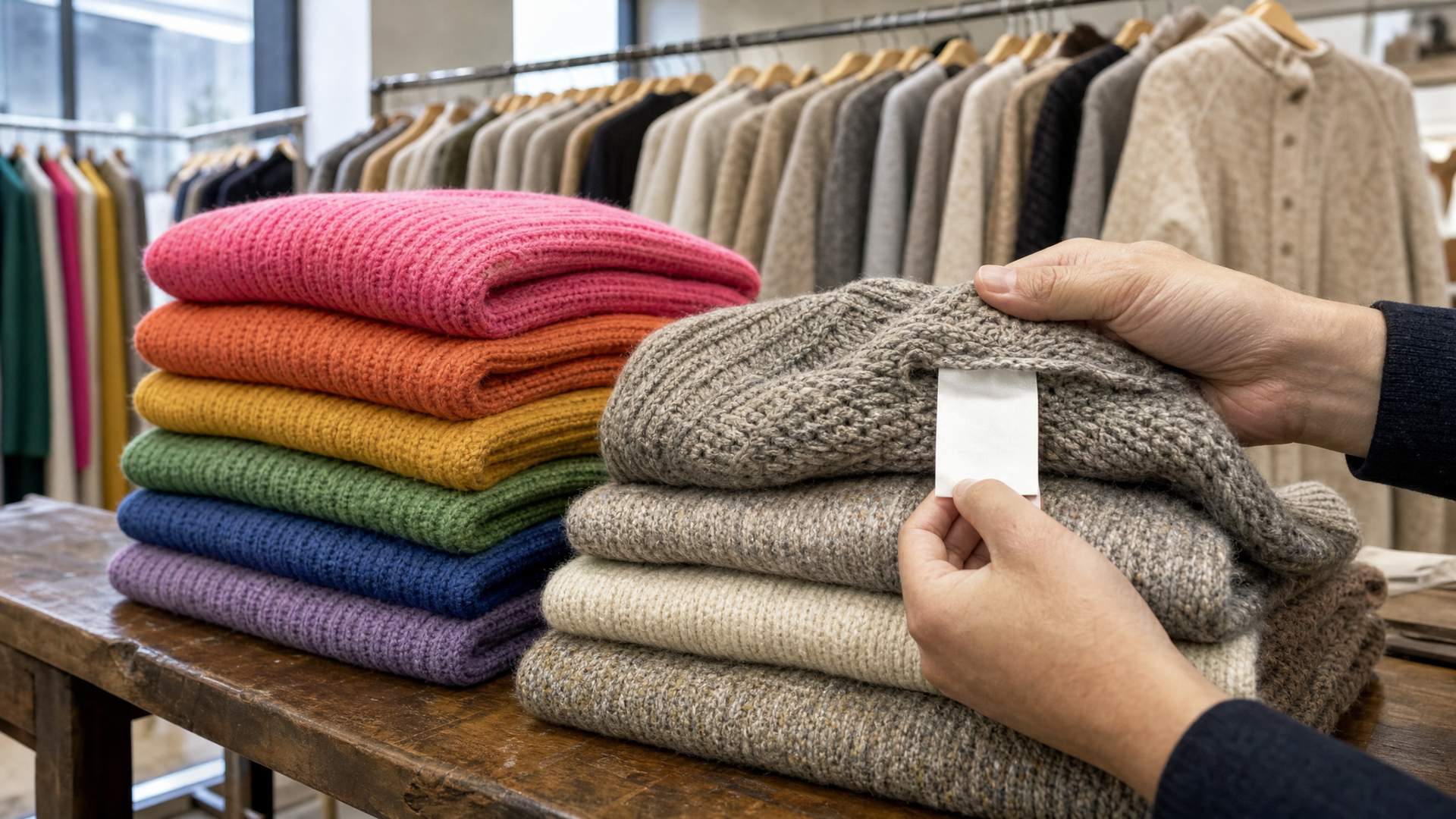
When assessing Italian clothing suppliers in a buying session, the most reliable quality indicators are not the ones that get the most attention. The packaging quality of the stock, how garments are stored, whether they are properly hung or neatly folded, whether the showroom is organised, is a reasonable proxy for the supplier’s operational standards. A showroom that is visually disordered, with mixed sizes thrown together and incorrect labelling, is telling you something about how their operation runs. Well-managed wholesale operations in Prato are consistently tidy and professionally presented.
At the garment level, the details that separate reliable Italian clothing suppliers from lower-quality operations are consistent with what experienced buyers check in any market: seam finishing, fabric composition accuracy, construction consistency across sizes, and the handling of details, buttons, zips, embroidery, print registration. The difference in the Italian context is that the baseline standard is generally higher than in other wholesale markets at comparable price points, which means that the gap between a good Prato supplier and a poor one is visible in construction subtleties rather than in obvious defects.
Building a Long-Term Relationship with Italian Clothing Suppliers
The boutiques that consistently get the best results from Italian clothing suppliers are those that have invested in the relationship over multiple seasons. In the Prato market, a buyer who returns twice a year, places reliable orders, pays on time and communicates clearly is a genuinely valued client, and that value translates into practical benefits. Preferred buyers often get early access to new arrivals before they are shown to the wider market, flexibility on minimums when a style is particularly relevant to their customer profile, and better responsiveness when something goes wrong with an order.
Building these relationships from outside Italy, without the ability to make regular visits to the district, requires either a very deliberate long-term commitment to travel or a local agent who maintains the relationship on the buyer’s behalf between sessions. For most international boutiques buying at annual or bi-annual frequency, the agent model is more sustainable. Many buyers now prefer accessing Italian fashion wholesale online through professional video sessions that replicate the showroom experience. Buyers who are ready to begin building their Italian supplier network can start the process with an introductory interview through the Italian Fashion Sourcing purchasing service, which covers session structure, supplier matching and session pricing in detail.