
Italian wholesale clothing sits in a category of its own in the global fashion supply chain. The country’s manufacturing tradition, its concentration of skilled producers in dedicated textile districts, and the consistent quality of its raw materials combine to produce finished garments that retail above the European average across most market segments. For an independent boutique, being able to present Italian wholesale womenswear to its customers is a genuine commercial differentiator. Getting to that point, however, requires understanding a wholesale system that operates according to its own rules.
How Italian Wholesale Clothing Differs from Other Sourcing Markets
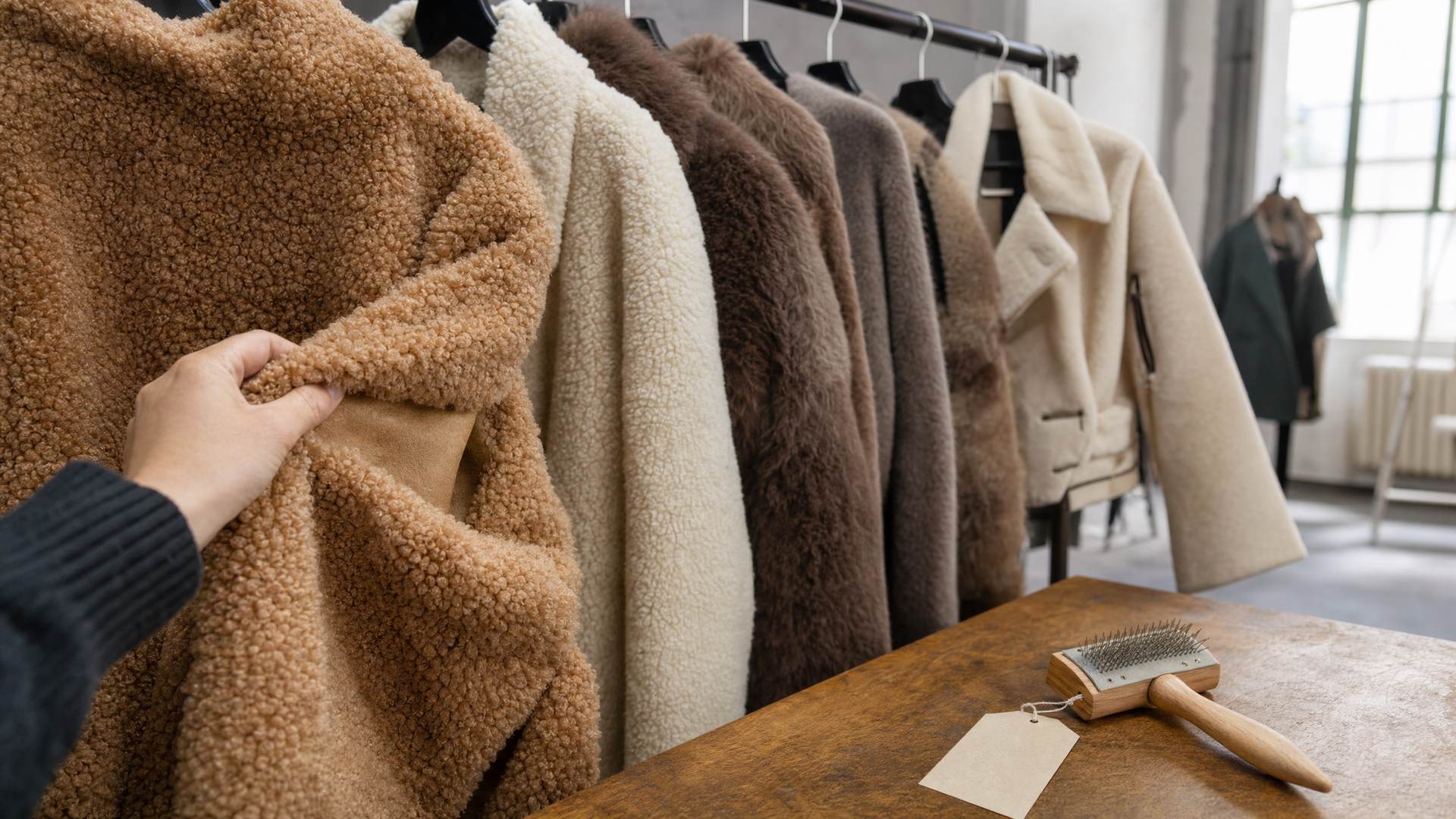
The first thing buyers coming from other wholesale markets notice about Italian pronto moda is the pace. Unlike seasonal buying cycles in which stock is ordered months in advance and delivered in bulk twice a year, the pronto moda system, concentrated primarily in the Prato district near Florence, works on continuous restocking. Suppliers receive new arrivals weekly or bi-weekly, hold them as ready-to-ship stock, and turn inventory over quickly. A buyer who saw a particular style in March may find it gone by April, with something new in its place.
This also means that Italian wholesale clothing is not well suited to very long lead times or forward order books. Buyers who are accustomed to placing orders six months in advance and receiving confirmed delivery dates will find the system disorienting at first. The trade-off is immediacy: stock that is selected today can typically be shipped within a few days of order confirmation, and the entire cycle from selection to goods-in-warehouse in the destination country can be completed in three to five weeks.
Minimum Orders and What Italian Suppliers Actually Expect
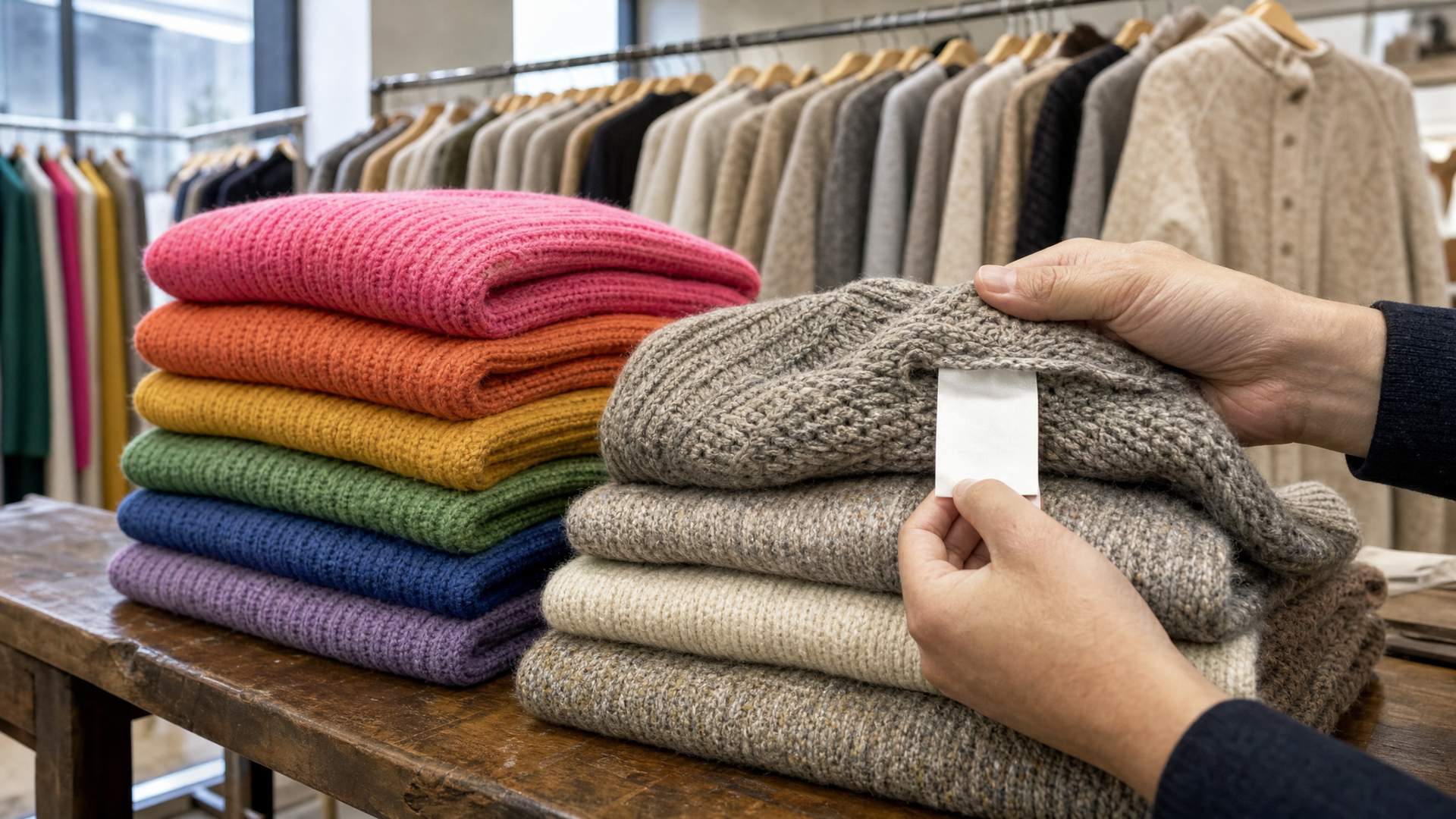
Minimum order requirements in the Italian wholesale clothing market are structured around the showroom visit rather than the individual style. A typical supplier in the Prato district will require a minimum spend of EUR 300 to EUR 500 per visit, with individual style minimums of two to twelve pieces depending on the category. Knitwear and outerwear tend to have slightly higher per-style minimums; lightweight dresses, tops and blouses are more flexible. These thresholds exist because Italian pronto moda suppliers are not set up to process micro-orders, their operational model assumes professional wholesale buyers placing meaningful quantities.
Buyers who approach Italian wholesale clothing suppliers with requests for one or two pieces per style as a test are generally not well received. The expectation is a commercial relationship, not a sampling service. This is one of the practical reasons why many international buyers work through a consolidated buying session run by a local agent: the agent aggregates orders across multiple suppliers into a single logistical operation, allowing each individual showroom spend to reach the minimum threshold without the buyer needing to over-order on any single style. Buyers who want to understand what this looks like in practice will find it useful to read about the fastest way to access Italian fashion wholesale in Prato before planning a session.
Payment Terms and Financial Logistics for International Buyers
Payment in the Italian wholesale clothing market is predominantly upfront. The large majority of pronto moda suppliers in Prato require full payment before the goods are shipped, either by bank transfer or by card. Net payment terms are rare for new buyers and, when available, are typically offered only after several seasons of established trading relationship. Buyers from outside the EU should plan their cash flow accordingly: the payment is required before the goods leave Italy, not after arrival at the destination.
For buyers sourcing through a consolidated buying session with an agent, the payment structure typically involves a single consolidated invoice covering all supplier purchases plus the agent’s service fee. This simplifies the financial logistics considerably, instead of managing four to six separate supplier payments in euros from an overseas bank account, the buyer handles a single transaction. The agent absorbs the complexity of settling individual suppliers and provides the buyer with transparent documentation of what was paid to whom.
How Shipping and Customs Work for Italian Wholesale Clothing
International shipments of Italian wholesale clothing are processed as standard commercial exports with full documentation. The exporter, either the buyer directly, or more commonly the sourcing agent acting on their behalf, prepares the commercial invoice, packing list and export declaration. For buyers based in non-EU countries, import duties apply at the destination and must be factored into the total landed cost. In the United States, import duty on most womenswear garments runs between 12 and 27 percent depending on fabric composition. In the UK, most clothing attracts 12 percent. In Australia, the general rate for clothing is 10 percent.
Shipping costs for a consolidated order of EUR 3,000 to EUR 6,000 in wholesale value typically run between EUR 150 and EUR 400 for standard air freight to most destinations, and lower for sea freight on larger volumes. The practical advantage of consolidating all supplier purchases into a single shipment, rather than having each supplier ship independently, is significant: consolidated freight is materially cheaper per kilogram, and customs clearance is handled once rather than multiple times. Understanding these logistics upfront is part of avoiding the most common mistakes buyers make when ordering from Prato.
Working with Italian Wholesale Clothing Suppliers Directly vs. Through an Agent
Direct access to Italian wholesale clothing suppliers requires either a physical presence in the district or prior relationships with specific showrooms. For buyers based in Northern Europe, the logistics of a Prato trip are manageable, the district is thirty minutes from Florence by train and has good international flight connections. For buyers based in North America, the Middle East or Asia-Pacific, a sourcing trip to Prato represents a significant time and cost commitment that may not be justified for a single buying session.
Working through a sourcing agent eliminates the travel requirement but introduces a service cost, typically calculated as a percentage of the total purchase value. The commercial logic depends on the scale of the order and the buyer’s confidence in navigating the district independently. For first-time buyers or those sourcing from a new market segment, the agent’s knowledge of which suppliers carry which types of stock, and at what quality level, is often worth more than the fee. Many buyers also benefit from our specialized private label production italy services for creating unique branded pieces. For those ready to understand the complete process, our detailed guide explains the entire italian fashion sourcing process step by step.
Building a Sustainable Italian Wholesale Clothing Strategy
The buyers who get the most out of Italian wholesale clothing are those who treat it as a medium-term commitment rather than a one-off transaction. Supplier relationships in the Prato district develop over multiple seasons, and access to the best stock, the pieces that move fastest and carry the highest margin, often goes to buyers who return consistently and place reliable orders. A first session that goes well opens doors; a pattern of regular ordering over two or three seasons builds the kind of trust that gives buyers early access to new arrivals and more flexibility on minimum quantities.
Practically, this means building a seasonal buying calendar and working to it. Spring-summer sourcing sessions work best between January and March; autumn-winter sessions run most effectively between July and September. Buyers who treat these windows as fixed points in their operational calendar, rather than improvising as and when stock is needed, consistently report better selection results and stronger supplier cooperation. For international buyers seeking efficient access to Italian fashion, italian fashion wholesale online platforms provide convenient remote access to supplier collections. Italian wholesale clothing is not a spot market, it rewards planning and consistency.