Launching a Made in Italy clothing brand is one of the most commercially powerful moves available to an independent retailer or emerging fashion entrepreneur. The origin designation carries genuine weight in the market, with end consumers, with stockists and with press, and it positions a label in a category where the margin structure is fundamentally different from brands sourcing elsewhere. The route to a credible Made in Italy label is, however, more operationally complex than many first-time founders expect, and the cost of getting the production relationship wrong in the early stages is high enough that it is worth understanding the process in detail before committing to it.
What Made in Italy Actually Means for a Clothing Brand
The Made in Italy designation is a legally defined claim in the European Union and is regulated under Italian and EU law. For a garment to carry the Made in Italy label, the substantial transformation of the product, the cutting and sewing, at minimum, must have taken place in Italy. The fabric does not have to be Italian in origin; a brand can source fabric from Japan, Portugal or Turkey and still produce a fully legitimate Made in Italy garment, provided the cut-and-make stage is carried out in Italy. What the brand cannot do is perform the cut-and-make in another country and apply the label anyway.
In commercial terms, Made in Italy functions as a quality and origin signal that justifies a pricing premium across virtually every international market. Independent boutiques, department stores and multi-brand platforms in Northern Europe, North America and the Gulf consistently price Made in Italy womenswear at a 20 to 40 percent premium above comparable garments without the designation. For a brand owner, this premium is the core economic argument for Italian production: the higher cost of Italian manufacturing is absorbed into a higher retail price, and the net margin per piece is often comparable to or better than what lower-cost production achieves at a lower price point.
The Private Label Production Process: From Brief to Finished Garment
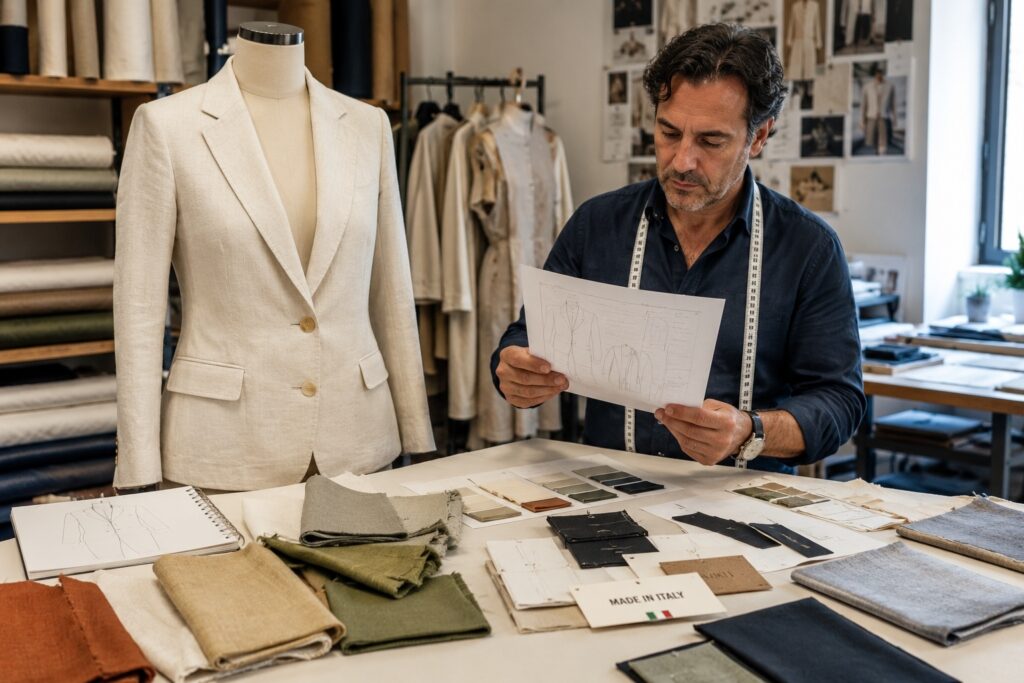
The production process for a Made in Italy clothing brand begins with a creative and technical brief, a clear description of the garment, the fabric direction, the fit references, the size range and any specific construction or finishing details. This brief is what the Italian manufacturer uses to develop the initial prototype. The more precise and complete the brief, the closer the first prototype is likely to be to what the brand owner had in mind, and the fewer revision rounds are needed before bulk production approval.
From brief to approved sample, the typical timeline in the Prato district runs four to eight weeks. Simple constructions with straightforward fabric sourcing can be prototyped faster; complex styles with print development, specialist finishing or multiple fabrication stages take longer. After the sample is approved in writing, bulk production begins, with delivery typically four to six weeks after production start. For a brand building a seasonal collection of six to ten styles, the full development and production timeline, from first brief to goods arriving in the destination country, is realistically four to six months. This means that brands planning a spring-summer launch need to begin development conversations no later than October of the preceding year.
Minimum Orders and Investment Required for Italian Private Label Production
The minimum order quantity for Italian private label production in the mid-market womenswear segment is typically 100 pieces per style. Some smaller Prato workshops will work at lower quantities, 50 pieces per style, for simple constructions or for buyers with whom they have an established relationship. For more complex garments, or for styles that require specialist fabric sourcing, embroidery or print development, the minimum is likely to be higher, because the fixed costs of setting up production are spread across fewer units at lower quantities, pushing the cost per piece to an unworkable level.
The minimum total investment for a first Italian private label collection depends on the number of styles and the production cost per style. A realistic entry point for a brand producing five styles at 100 pieces each, with an average production cost of EUR 30 per piece, is EUR 15,000 in manufacturing costs. Adding fabric costs, labelling, packaging, and logistics brings the total first-collection investment to EUR 18,000 to EUR 25,000 at minimum, before any agent fees or import costs are accounted for. Italian Fashion Sourcing requires a minimum production value of EUR 5,000 per order, and accepts payment in full prior to shipment, by bank transfer or card.
Fabric Selection and the Role of Italian Textile Suppliers
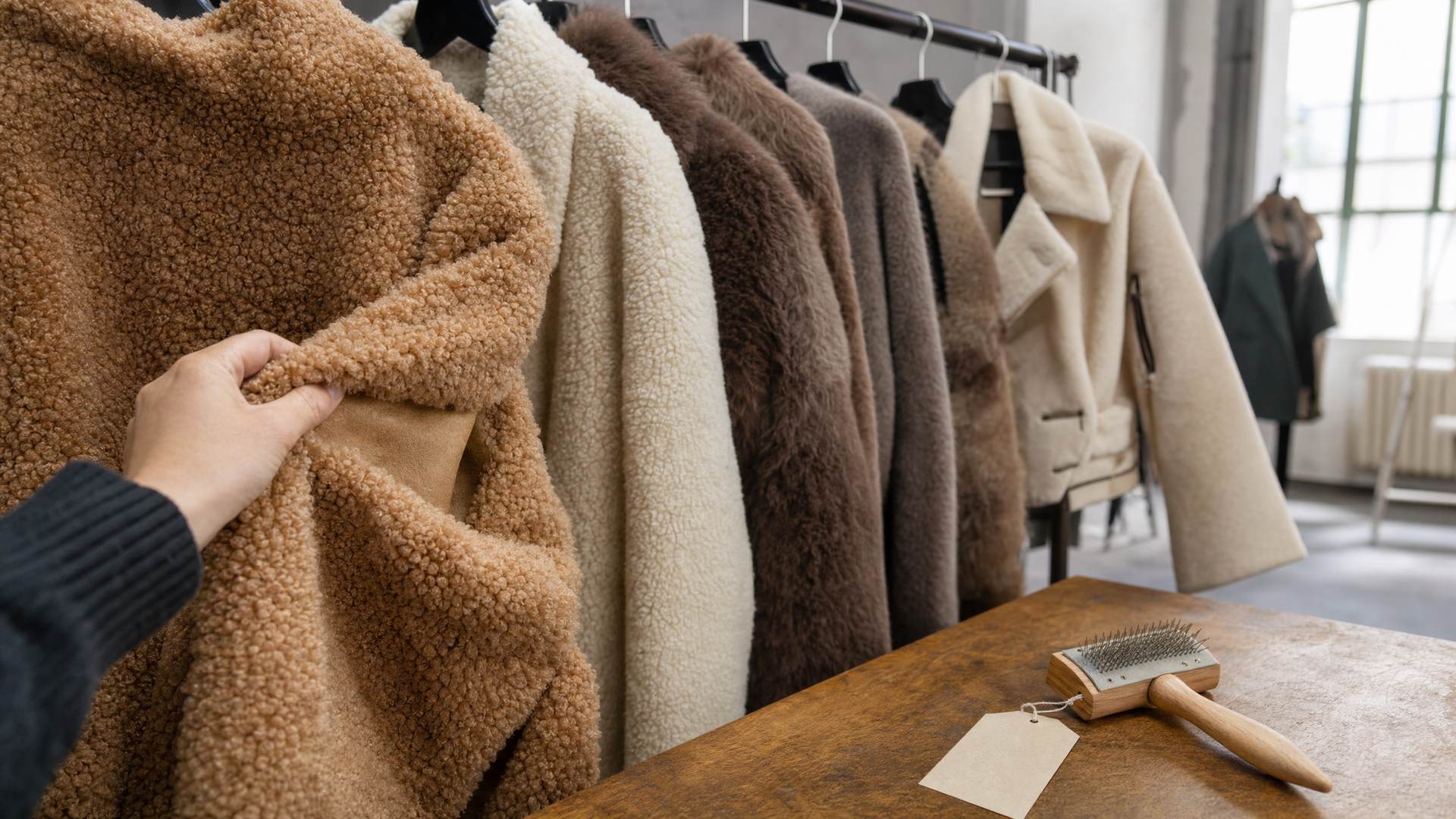
One of the structural advantages of producing a Made in Italy clothing brand through the Prato district is the proximity of the textile supply chain. Prato is not only a garment manufacturing hub, it is also one of Europe’s most significant textile production and distribution districts, with hundreds of fabric suppliers within the same geographic area as the garment manufacturers. This means that a brand producing in Prato can source fabric, develop a custom print or commission a specific weave within a short radius of the production facility, compressing both the development timeline and the logistics cost.
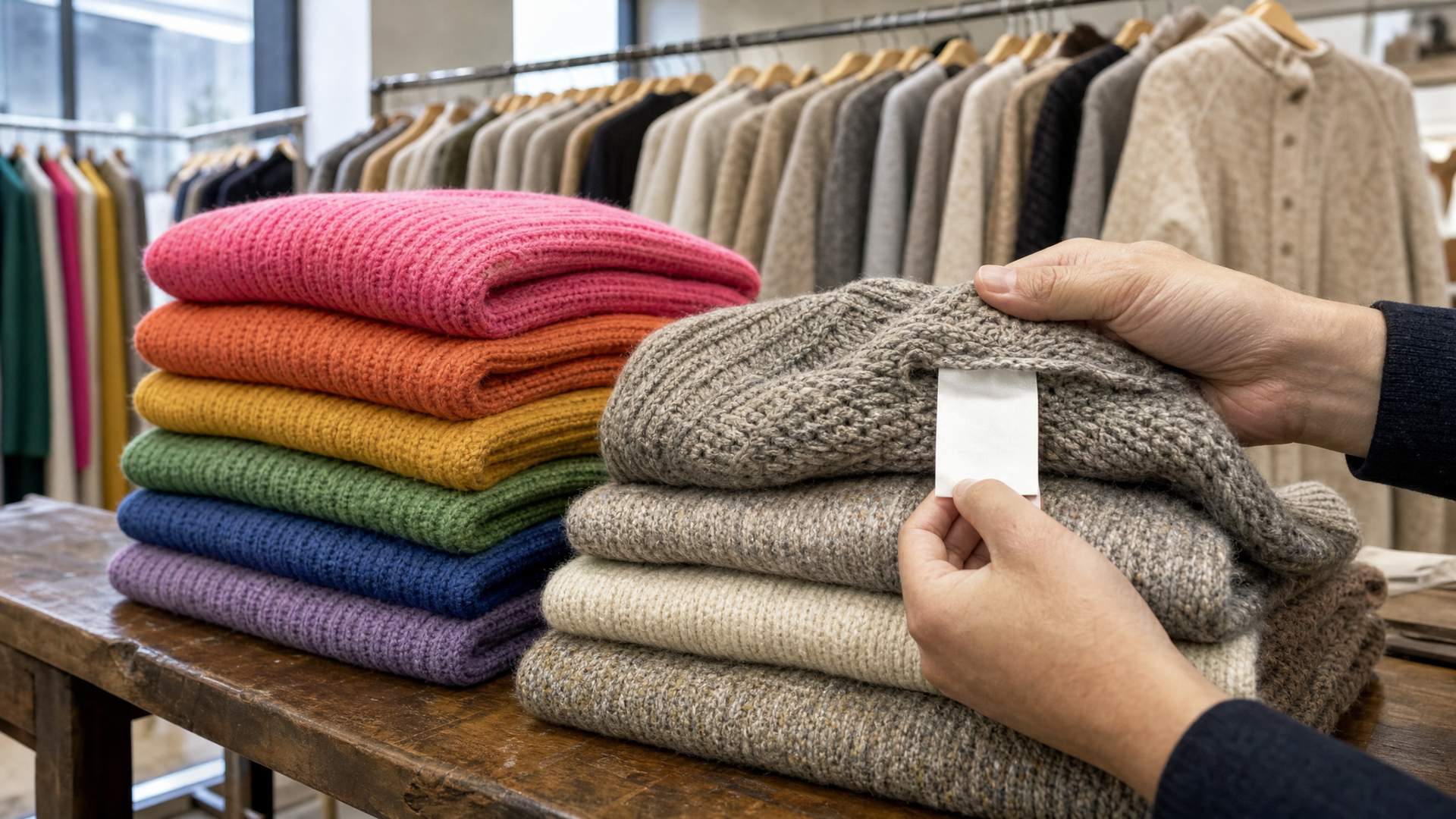
For brand owners who want a fabric that is genuinely proprietary, a specific colour, a unique texture, a custom print that no other brand can replicate, the Italian textile supply chain makes this achievable at quantities that would be prohibitive in other sourcing markets. A minimum order of 100 to 150 metres for a custom print on an Italian fabric base is a realistic threshold for many Prato print specialists, which translates to enough fabric for 80 to 120 garments depending on the style. For brands focused on differentiation through product, this kind of fabric exclusivity is a significant commercial asset.
Quality Control in Italian Private Label Production
Quality control in Italian private label production operates at multiple stages, and brands that rely on a single final inspection before shipment are taking a risk that is easily avoided. The first quality control checkpoint is the sample approval: the brand owner reviews the prototype, documents any corrections required, and provides written approval before bulk production begins. This approval record is the reference point for the entire production run. If the bulk garments deviate from the approved sample, the written approval is what makes the correction request legally clear.
During production, experienced sourcing operations conduct at least one mid-production check, reviewing garments as they come off the production line rather than waiting until the full order is complete. This catches systematic errors early, when correction is still possible without significant cost or delay. A final inspection before packing and shipment confirms that the finished goods match the approved sample on construction, fabric, labelling and packaging. Brands that are working with a sourcing agent should confirm what quality control is included in the service scope before signing any agreement. The Italian Fashion Sourcing workflow from samples to shipment covers how quality control is integrated into a managed production operation.
Why Some Made in Italy Brand Launches Fail, and How to Avoid It
The most common reason that first-time Made in Italy brand launches fail is not poor design and not high production cost, it is a mismatch between the founder’s timeline expectations and the realities of Italian manufacturing. Brands that begin production conversations in April with the expectation of launching in June will almost always be disappointed. Italian manufacturers are not set up for rush production, and the quality of output from a rushed production run is invariably lower than from a properly scheduled one. The six-month development window that experienced producers plan around exists because it works; the four-week version exists primarily in the imagination of founders who have not done this before.
A second common failure mode is attempting to manage the production relationship in Italian without the language capability to do so. Technical conversations about fit, construction, fabric substitutions and labelling requirements lose precision in translation, and the errors that result, a collar that sits incorrectly, a zip that does not match the specification, a label placed in the wrong position, are costly to correct in bulk. Brands that are serious about launching a credible Made in Italy clothing collection would benefit from understanding the italian fashion sourcing process in detail, exploring options for italian fashion wholesale online access, and working with a fashion sourcing purchasing service alongside reviewing the full guide to launching a private label fashion brand in Italy with a local agent who handles the manufacturer communication directly. For brands ready to take that step, the Italian Fashion Sourcing private label production service is designed specifically for this type of first-collection project.