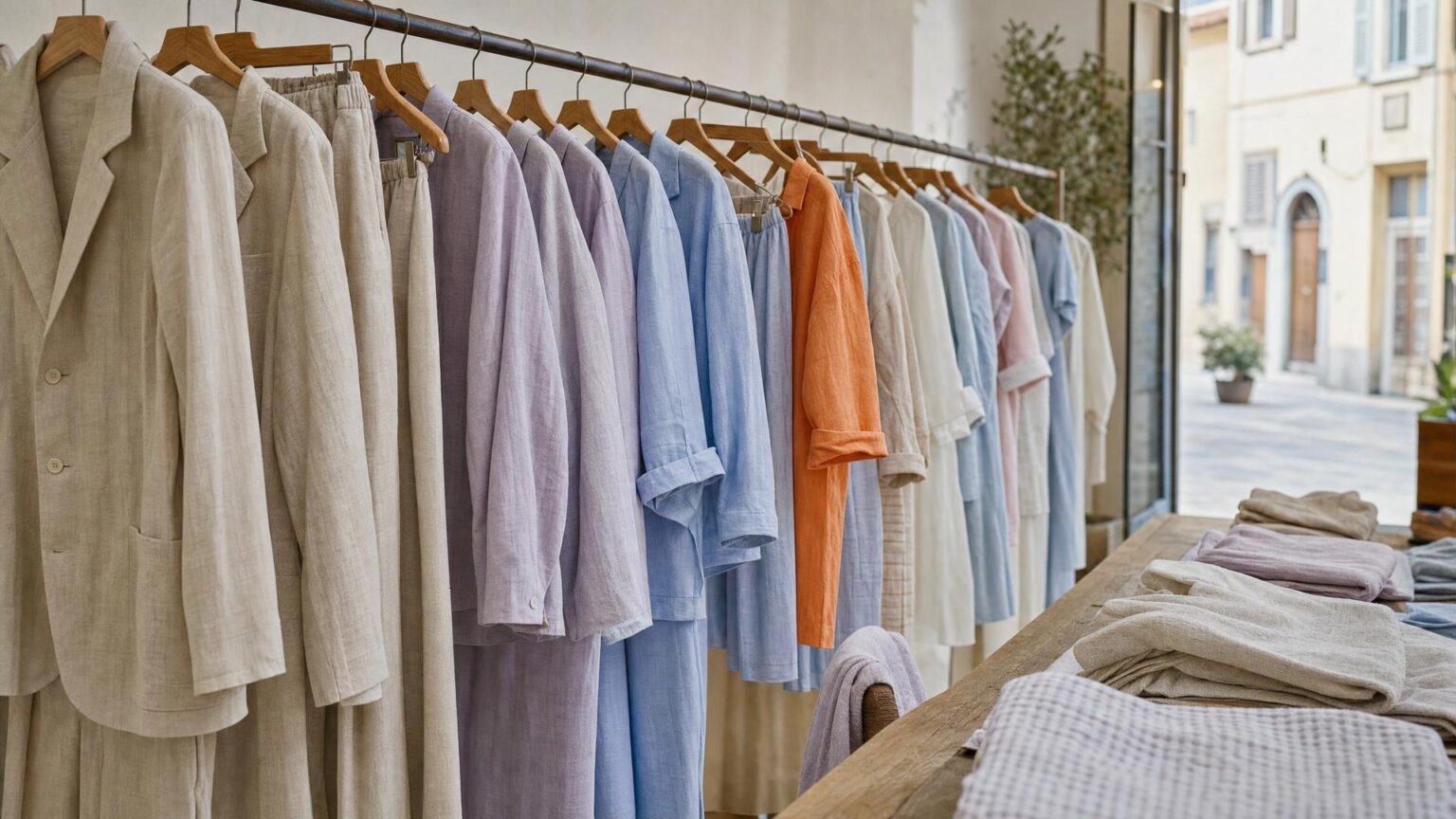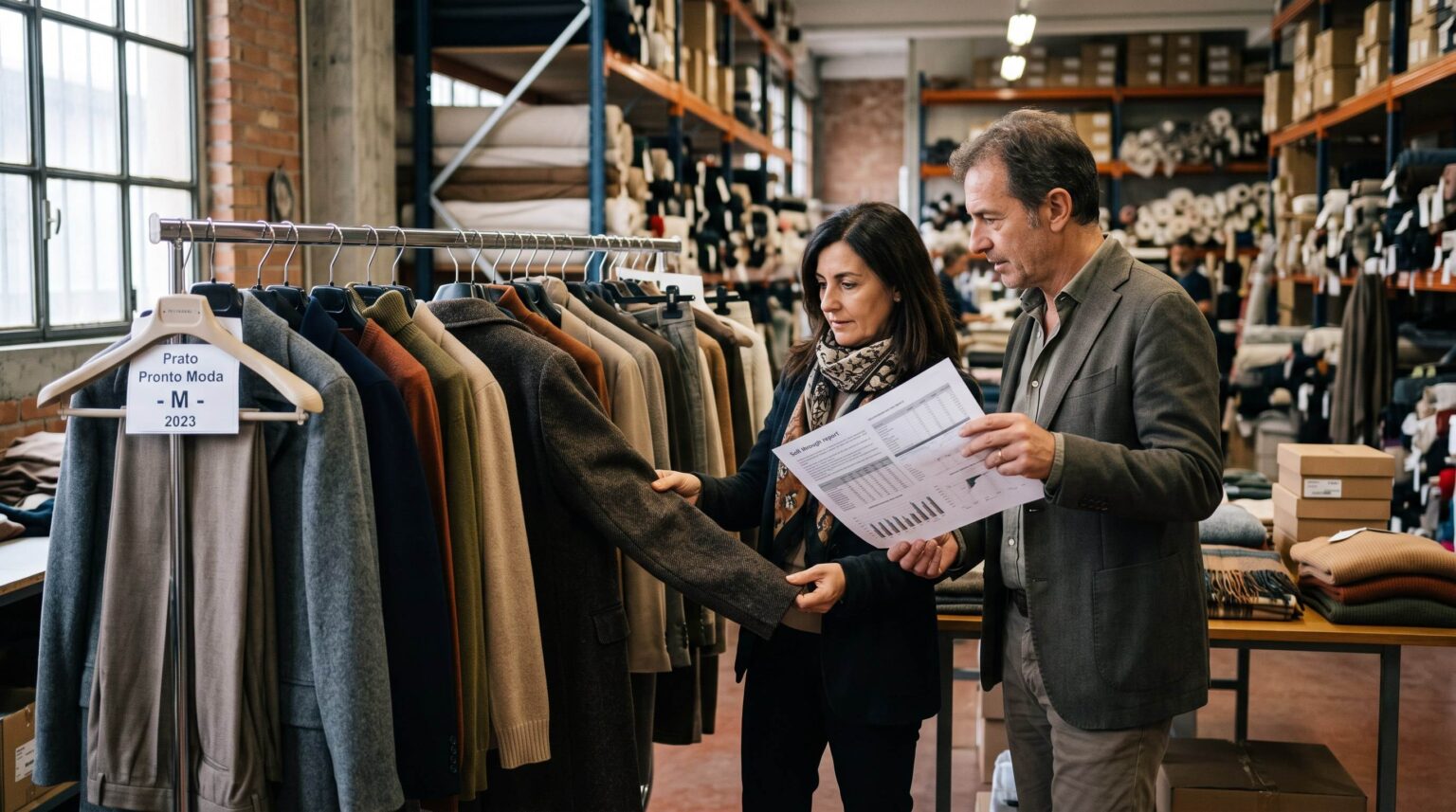
Curated selection of Italian women's fashion wholesale styles on a showroom rail in Prato including linen coords

Insights from the Prato wholesale market

Insights is where we document what we see, learn and think from inside the Italian wholesale market, season after season and showroom after showroom.

Every article in this section is written with a single question in mind: is this genuinely useful to a buyer making real decisions? That means no trend forecasts detached from commercial reality, no generic guides recycled from other markets. What you find here is grounded in what is actually happening in the Prato pronto moda district: which categories are moving, what prices look like, how logistics work, where the margin opportunity is in any given season.

The content covers the full range of what boutique buying from Italy involves: sourcing strategy, pricing and landed cost, supplier access and vetting, seasonal trend intelligence, and the operational mechanics of getting an Italian wholesale order from brief to your warehouse door. There are also case studies documenting real buying projects: actual briefs, actual selections, actual commercial outcomes.

If you are sourcing Italian womenswear wholesale and want substance over style, this is where to start.

If you buy for a store in one of our main markets, start from its page: United Kingdom, United States, Australia or Canada.

Fabric & Materials

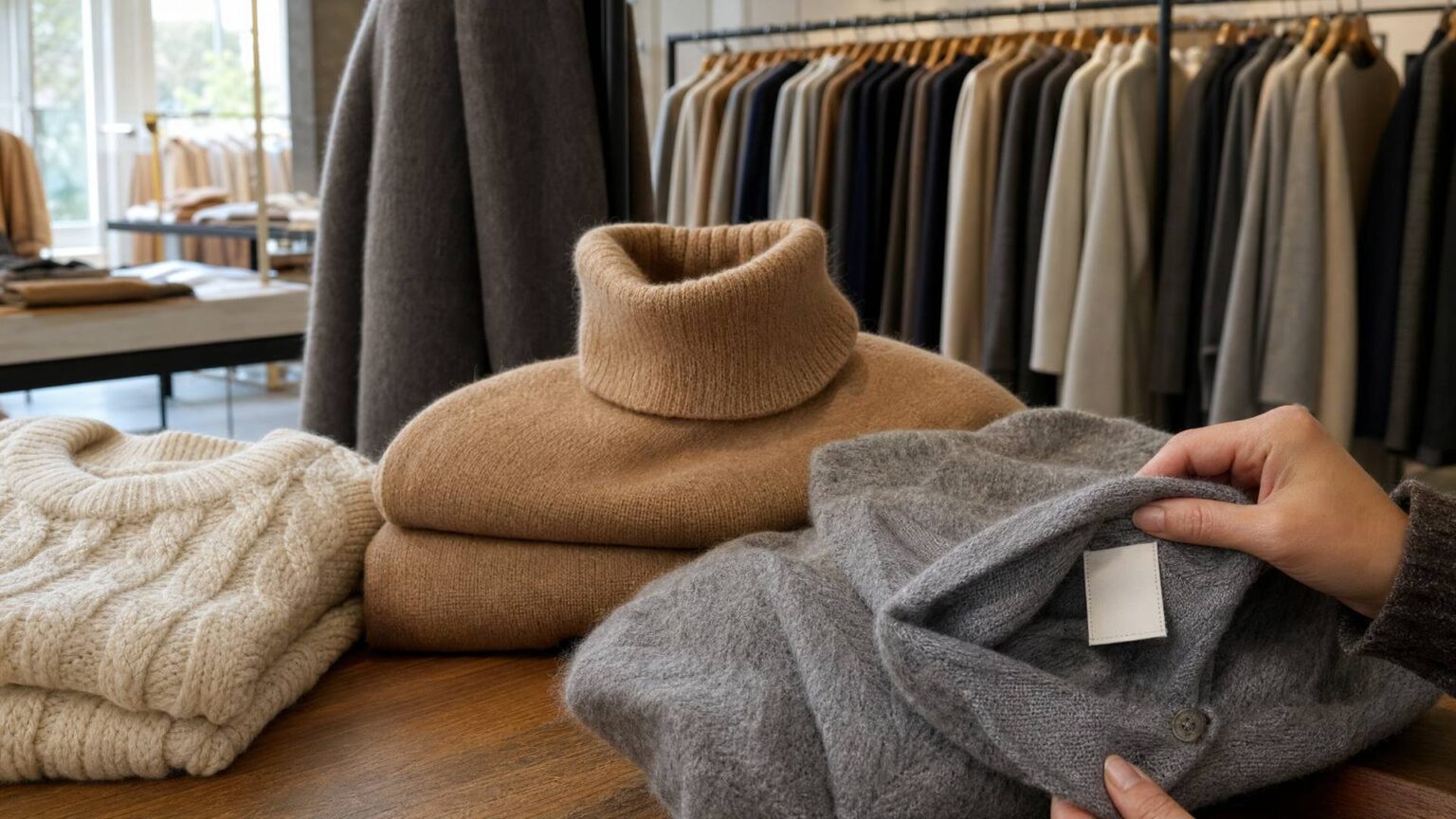
Acrylic vs Wool: How Warm Acrylic Really Is and How to Read a Knit Label

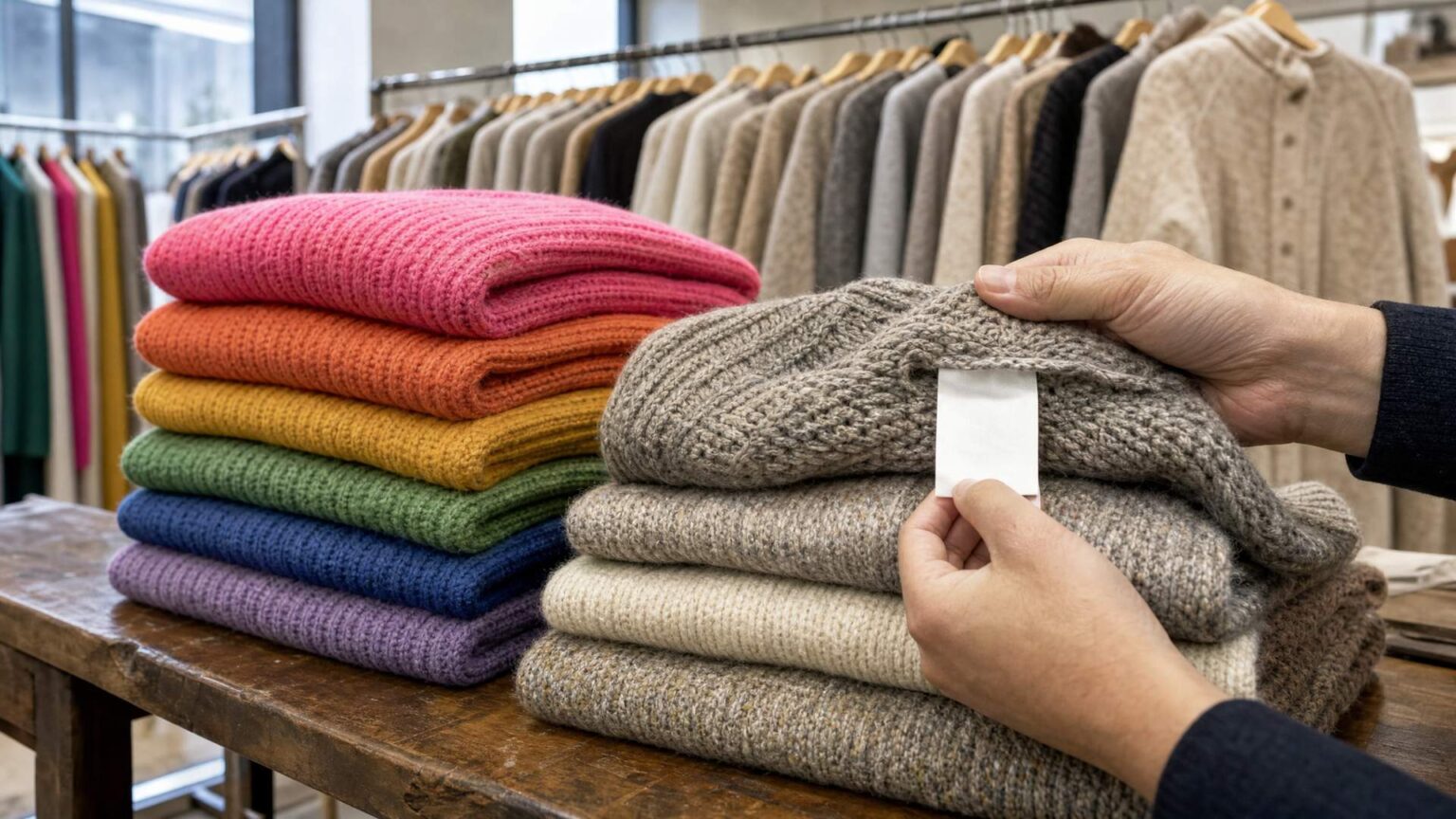
Acrylic is the most common synthetic in winter knitwear, and the question of whether it keeps people warm has a more nuanced answer than most labels suggest. This guide explains how acrylic insulates, where it falls short of wool on moisture and breathability, why it pills, what it means for sustainability, and why manufacturers blend it with wool and other fibres. It shows how to read a knitwear composition label, including the Italian terms, and closes with honest guidance for boutique buyers on how acrylic and wool blends are priced and positioned in Prato pronto moda knitwear.

Fabric & Materials

Down, Feather and Synthetic Fill: Reading a Padded Jacket Before You Order

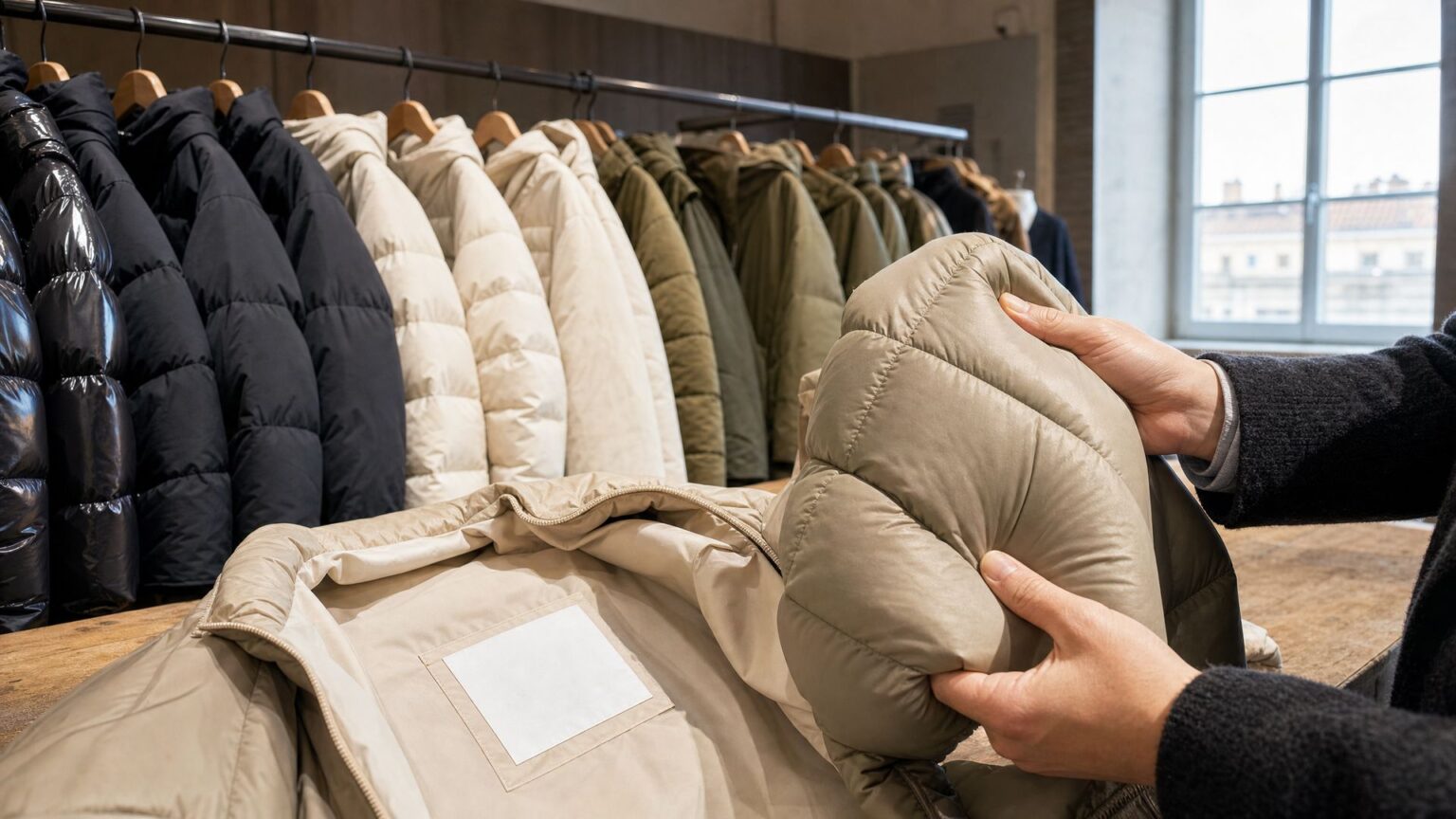
Quilted winter jackets that look identical on a rail can differ by twenty euros a piece, and the reason sits inside the garment. This article explains what a composition label is required to state, how down and feather percentages are expressed under EN 12934, why most Italian pronto moda jackets use polyester wadding and what grammage to ask about, and which construction details predict returns. It closes with the point at which specifying your own fill through private label production becomes the more sensible route.

Fabric & Materials

Why Mohair Can Itch and How to Choose a Soft Mohair Sweater

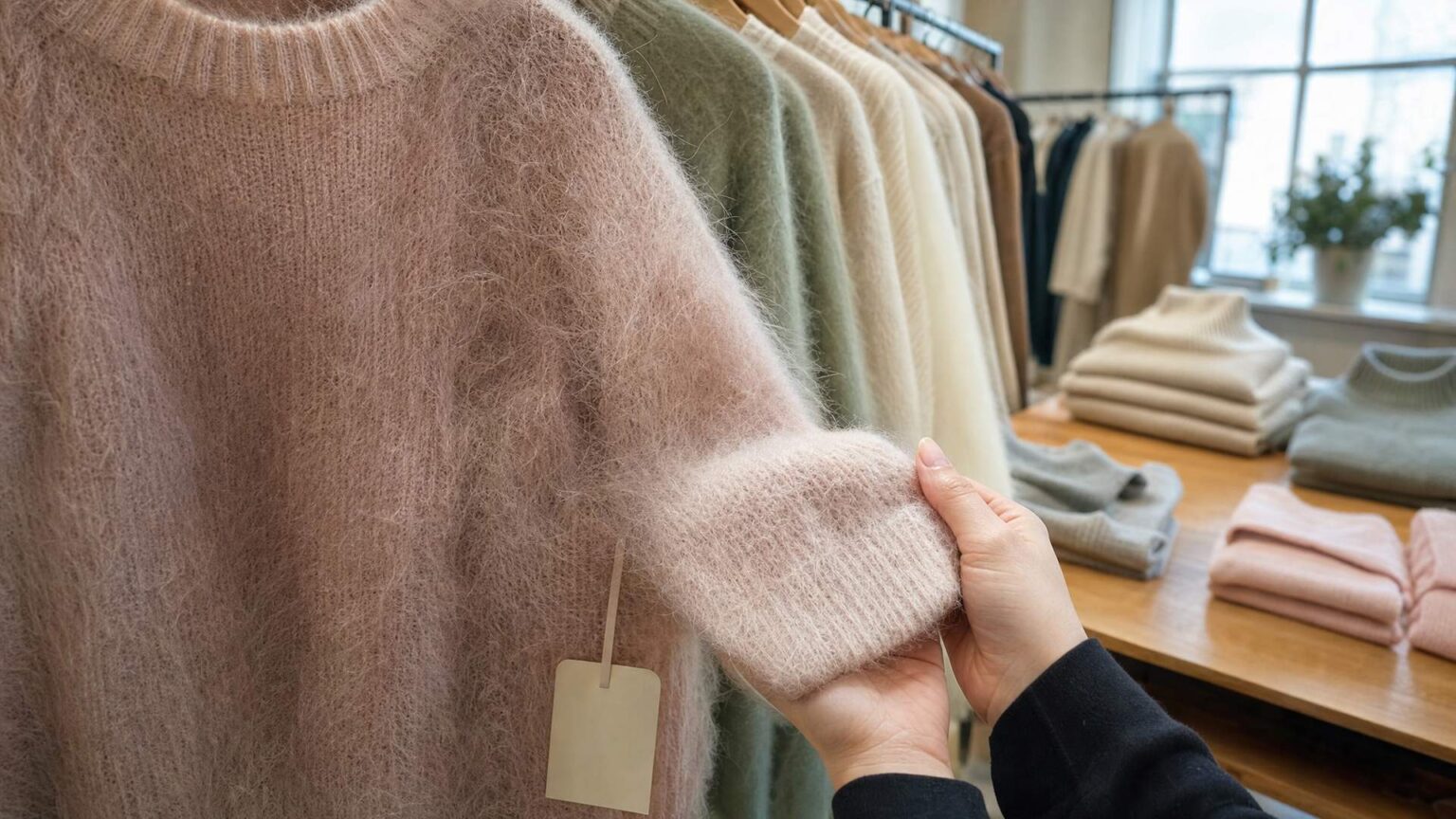
Mohair has a reputation for being scratchy, yet a well made kid mohair sweater can feel light and soft against the neck. The difference lies in the age of the goat, the diameter of the fibre, the way the yarn is brushed and blended, and the gauge of the knit. This guide explains why mohair can itch, how kid mohair differs from adult mohair, what silk and polyamide add to a blend, how to wash and store a mohair sweater, and how mohair compares with alpaca. It ends with practical checks for boutique buyers sourcing kid mohair knitwear in Prato.

Sourcing Strategy

Building a Winter Outerwear Rail: How Many Coats a Boutique Should Actually Buy

Winter outerwear absorbs a large share of a boutique budget and carries the highest risk per unit of any category in the order. This article sets out the arithmetic behind a working coat rail: how much of the winter spend belongs in outerwear, how many references a store of a given size can carry, how deep to buy each one across the Italian size run, and why part of the budget should stay uncommitted until the season starts showing what the market wants. The figures come from orders consolidated for boutiques in Europe, North America and the Gulf.

Trend Report

Linen Fashion Trends 2026 and 2027: What Boutique Buyers Should Stock

Linen has been the defining fabric of summer 2026 and the textile fairs that presented the 2027 collections confirm it will stay central. This report looks at the linen styles that sold best in 2026, the colours and textures that are changing for spring-summer 2027, the growing role of linen in tailoring and blends, and how boutique buyers can turn these directions into a balanced assortment sourced from Italian wholesalers.

Sourcing Strategy

Closing Q4: Using Late-September Buying to Fix the Gaps in Your Winter Assortment

By the end of September the first weeks of winter selling have already produced usable data, and there is still a narrow window to act on it. This article explains how to read early sell-through in a boutique or e-commerce shop, how to distinguish a real winter assortment gap from a style that simply did not work, and what is still worth ordering at this point in the cycle. It covers the pronto moda constraint on reassortment, the cost logic of small top-up orders, and the operational timing between a confirmed order and delivery to the shop. Gaps that cannot be closed now become the starting brief for the next buying season.

Sourcing Strategy

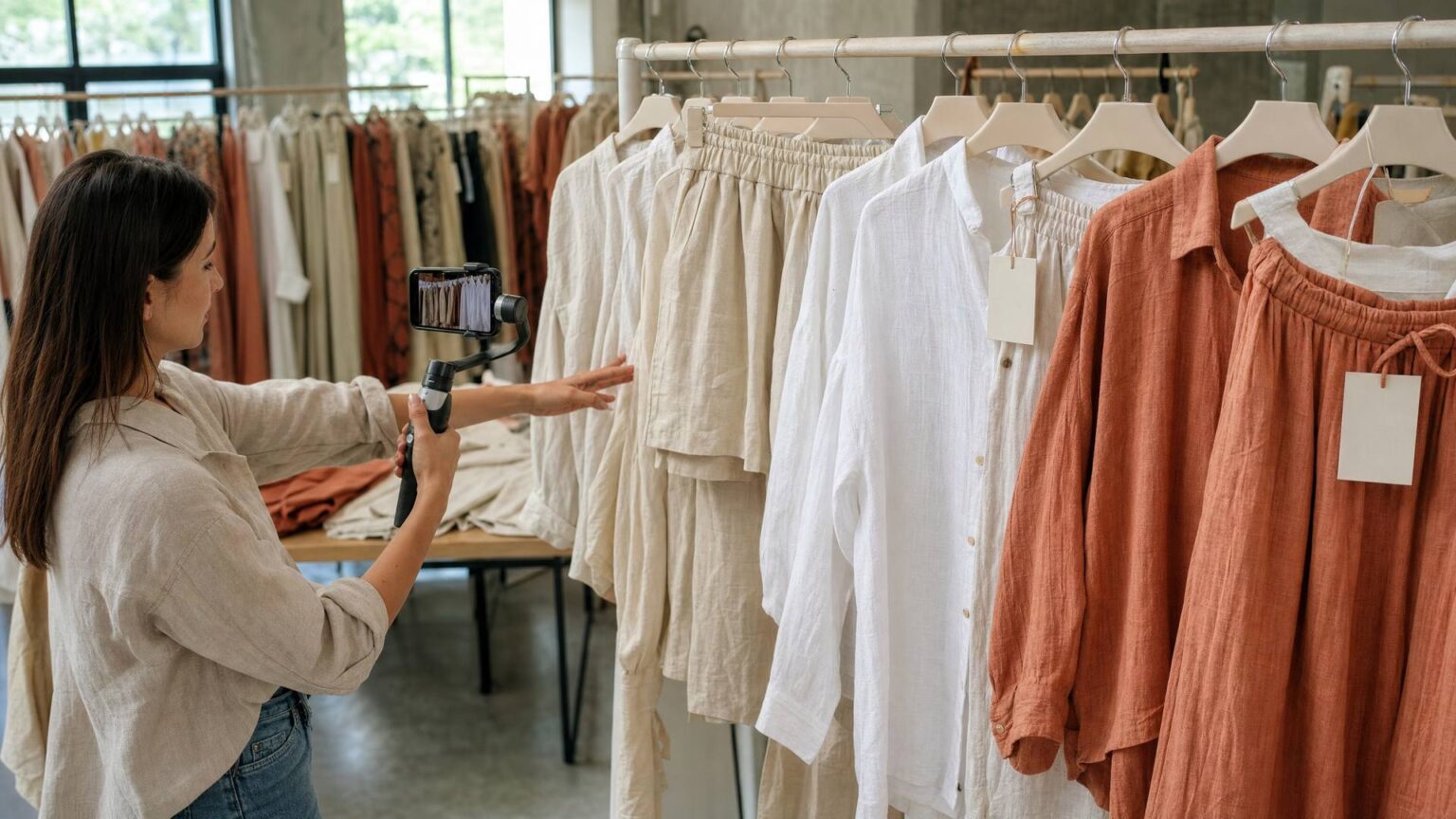
Italian Linen Wholesale for Australia, New Zealand and South Africa: Buying for the Southern Summer

Boutiques in Australia, New Zealand and South Africa sell linen from November to March, exactly when the Prato district has moved on to autumn and winter. This guide explains what can realistically be bought from Italy in October and November, how to plan the main linen buy for the following southern summer, which duties and taxes apply in each country, and which pieces perform best in southern climates. It closes with how remote buyers source Italian linen through live sessions without travelling to Prato.

Fabric & Materials

Wool vs Cashmere vs Alpaca: Which Knit Is Warmest and How They Differ

Wool, cashmere and alpaca all keep the body warm, but they differ in fineness, weight, resistance to pilling and the care they need, and those differences explain why their prices are so far apart. This guide compares sheep’s wool and merino with cashmere, alpaca and baby alpaca on warmth, softness, itch, weight, durability and care, with facts drawn from fibre science rather than marketing. It closes with a section for boutique buyers on how these fibres appear in Italian pronto moda knitwear, where blends dominate and the composition label decides how a sweater will wear.

How It Works

From Confirmed Order to Shop Floor: What Happens in the Three Weeks After You Buy

The weeks between a confirmed buying session and the arrival of the goods follow a fixed sequence, and most first-time buyers have no visibility over it. This article walks through the wholesale order process in Italy step by step: proforma, payment of goods and commission, collection from the suppliers, consolidation, piece count and sample quality control, packing and weighing, the separate freight payment, and the handover to the courier. It also sets out the delays that genuinely occur, from Italian holiday closures to stock sold in the meantime, so a boutique or an e-commerce buyer can plan the calendar realistically.

Fabric & Materials

Down vs Synthetic Jacket: Warmth, Fill Power, Care and What the Label Says

Down and synthetic fillings keep the body warm in the same way, by trapping still air, yet they behave very differently in rain, in a suitcase and in the washing machine. This guide compares the two insulations on warmth for weight, fill power and down feather ratio labels, wet weather performance, durability, care, animal welfare and price. It closes with a section for boutique buyers on what padded jackets in Italian pronto moda usually contain and how to read the composition label before placing an order in Prato.

Italian fashion supply, curated and delivered to your inbox.

Join the Insider List

Be the first to access ready-to-wear drops, supplier insights and private label tips. No noise—only what helps your business buy smarter.
Need help?
Chat with us