
The Problem With Buying Autumn in Autumn
The standard boutique autumn-winter timeline: review trade shows in September, confirm in October, receive in November, floor in November. For some categories this works fine. For Italian pronto moda sourcing from Prato, it reliably produces worse outcomes — not because autumn product isn’t available, but because the good stuff isn’t. By the time most buyers are placing orders, the Prato manufacturers who started early have already committed their best fabrics and production capacity.
By September, the Prato district has been producing AW26 for two to three months. The manufacturers who started early have already committed their best fabric batches and their most in-demand constructions to buyers who ordered in summer. What remains available in autumn is often the same product at the same price — but with broken size runs, secondary fabric qualities, and lead times extended by the higher production load of the peak season. Buyers who arrive in October are not buying the same range they would have bought in July; they’re buying what’s left after the earlier buyers have been through.
The antidote to this pattern is a deliberate shift in the buying calendar — not a radical one, but a consistent six to ten weeks earlier across the categories where early access matters most. That shift doesn’t require attending any additional trade shows or changing the overall structure of the buying process. It requires only one thing: a summer sourcing session in Prato, before the trade show season opens, focused on the specific AW26 categories where early commitment yields the most advantage.
A Practical AW26 Buying Calendar for Independent Boutiques
Working backward from a target first autumn delivery date of mid-September — the point at which most boutiques want the first autumn pieces on the floor — the production and shipping timeline from Prato looks like this. Shipping from Prato to non-EU destinations (UK, US, Canada, Australia) takes between eight and fifteen working days door-to-door once the goods are ready. Customs clearance and delivery can add three to five working days depending on the destination. Production of confirmed orders at most Prato pronto moda suppliers takes between ten and twenty working days from order confirmation.
Adding those lead times: to have goods on the floor by 15 September, an international buyer needs to confirm orders by approximately 10 July for most destinations. To confirm by 10 July, a sourcing session needs to happen by the end of June or the first week of July. This is the baseline timeline for the first AW26 delivery — the one that sets the autumn floor and begins generating revenue before the main competition receives their stock.
For buyers who have never worked to this timeline before, the numbers can look surprising. Ordering autumn clothes in late June feels early. But the retail math is straightforward: a boutique that has autumn stock on the floor from mid-September has two to three weeks of autumn selling before the majority of its competitors. In a season where early-season sell-through often determines whether a buy clears cleanly at full price, those two weeks matter more than they might appear to.
Which Categories Justify Early Commitment and Which Don’t
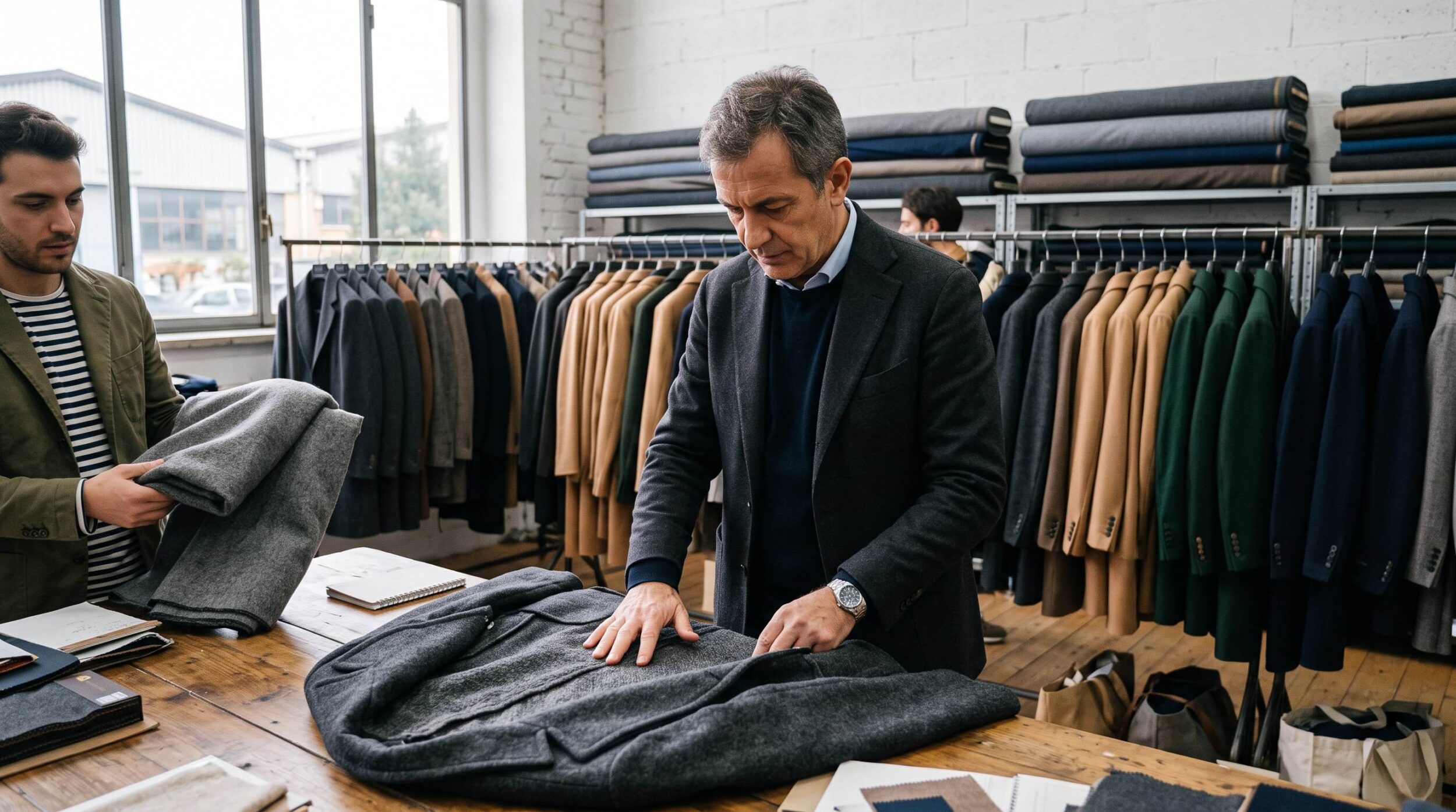
Not every AW26 category needs to be in the first July order. The categories that justify early commitment are those where the combination of production quality and stock availability deteriorates meaningfully with later ordering. Based on the AW26 arrivals currently visible in Prato, the categories where early ordering produces the most tangible advantage are textured wovens and jacquards, mid-pile velvet coordinates, brushed jersey fabrications, and the deep-toned linen-viscose blend category that is continuing from SS26 into autumn in heavier constructions.
The categories that can be bought in a second session in September or October without significant cost are the standard jersey separates, basic knitwear in commercial colourways, and the plain woven trouser and blouse formats that Prato manufacturers produce in continuous volume throughout the season. These categories are worth buying, but they don’t require early commitment to access good quality. A September session can handle them efficiently once the priority early-order categories are confirmed.
The practical structure this suggests is a two-session AW26 approach: a July session for the fabric-forward, texture-driven, or production-constrained categories, and a September session for the fill-in buying. This approach gives the buyer access to the best early product without requiring the full AW26 budget to be committed in summer — which is an important consideration for boutiques that still have SS26 clearance costs to manage in July and August. The timing logic for fabric category buying applies across both seasons and reinforces this two-stage approach.
How Lead Time Management Affects Your Autumn Floor
Lead time management is not just a logistics problem; it’s a commercial strategy. The boutique that receives first AW26 delivery in mid-September is selling at full margin while its competition is still showing summer. That margin advantage typically lasts ten to fourteen days — not long, but enough to make a meaningful difference to autumn turnover on the first wave of AW26 stock. It’s also enough to validate which of the first autumn styles are resonating with customers, which information then informs any adjustments to the second-session order.
The second commercial implication of earlier receiving is customer expectation management. Boutiques that train their regular customers to expect new autumn product in mid-September, and that deliver consistently on that expectation, build a buying rhythm with their customer base that drives repeat visits at the start of each season. Customers who know that a boutique has new product in mid-September come earlier and buy earlier — which improves full-price sell-through across the entire AW26 buy.
This flywheel effect is harder to build if AW26 stock arrives in late October because the early-season sourcing window wasn’t used. The competition for customer attention in November — when most boutiques are flooring their first autumn stock — is much higher than in mid-September. First-to-floor in your local market is a genuine competitive advantage, and it starts with the sourcing calendar decision, not with the product itself.
Setting Up the July Session for Maximum Efficiency
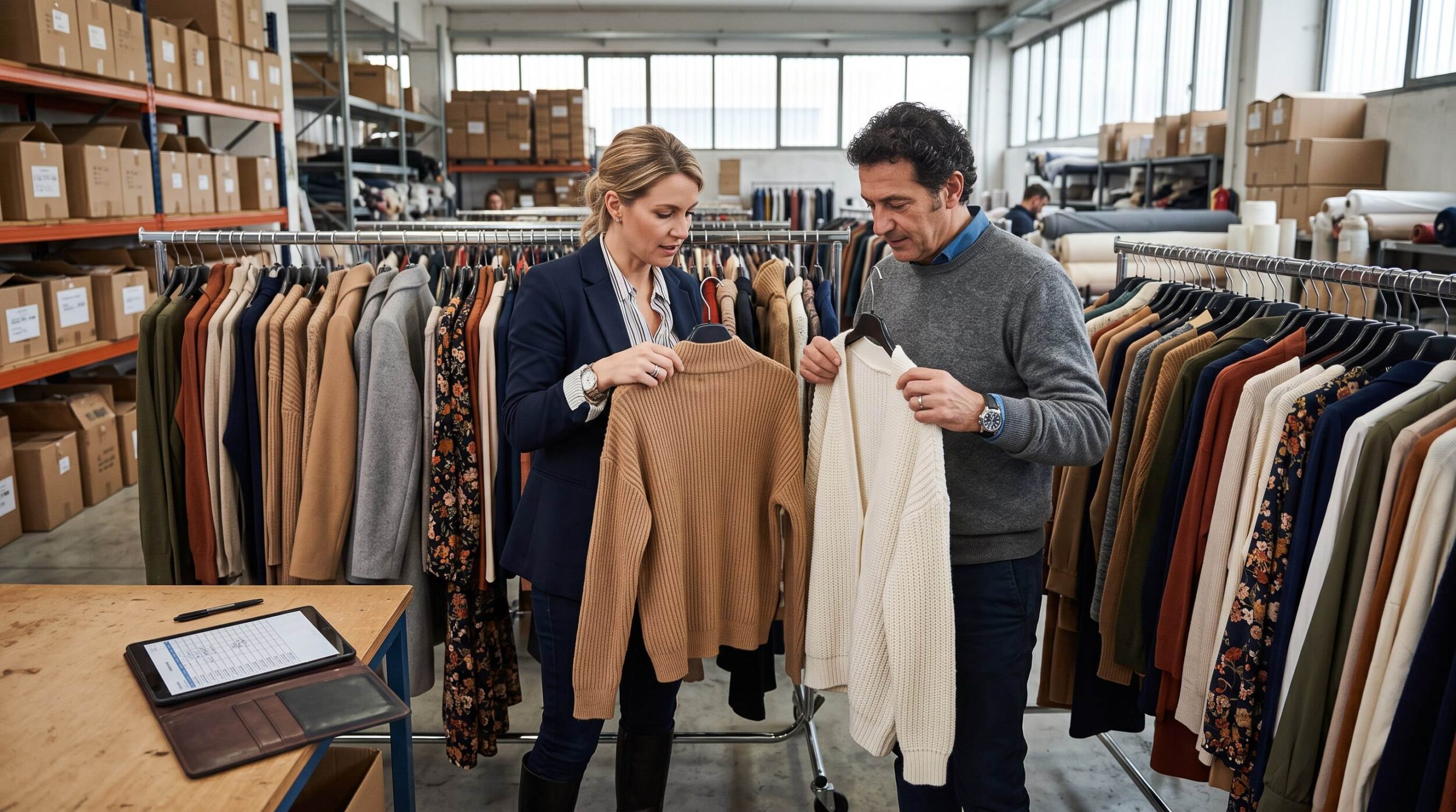
A July sourcing session in Prato for AW26 operates under different conditions from the main SS26 season sessions in February and March. The range is still developing, some colourways and sizes are not yet confirmed, and the session requires a different kind of agent preparation than a session where the full seasonal range is in showrooms. The preparation work — identifying which suppliers have confirmed AW26 production, which colourways are available for early orders, what minimum quantities look like, and which styles are already committed to other buyers — is more intensive in July than in a standard SS26 session.
This is why the July AW26 session works best as a structured agent-led session rather than an independent visit to Prato showrooms. The navigational knowledge required to find the right AW26 product in July — which showrooms have what, which manufacturers are running early production versus still sampling — is not readily available from supplier websites or trade directories. It comes from relationships maintained in the district across multiple seasons.
The practical benefits of working with a local Italian sourcing agent are most visible in exactly this kind of non-standard session — where the product isn’t fully formed yet and the buyer needs ground-level knowledge rather than a complete showroom browse. The agent’s preparation work before the session is what makes the difference between a productive July buy and a frustrating one. Booking a sourcing session through Italian Fashion Sourcing covers this preparation as part of the standard process.
If you want to run a July AW26 session in Prato and get ahead of the main buying season, Italian Fashion Sourcing can handle the preparation and navigation to make the session productive. Book the introduction call at italianfashionsourcing.com/interview/ — we’ll map the right buying calendar for your delivery needs and confirm which categories to prioritise in the first session.