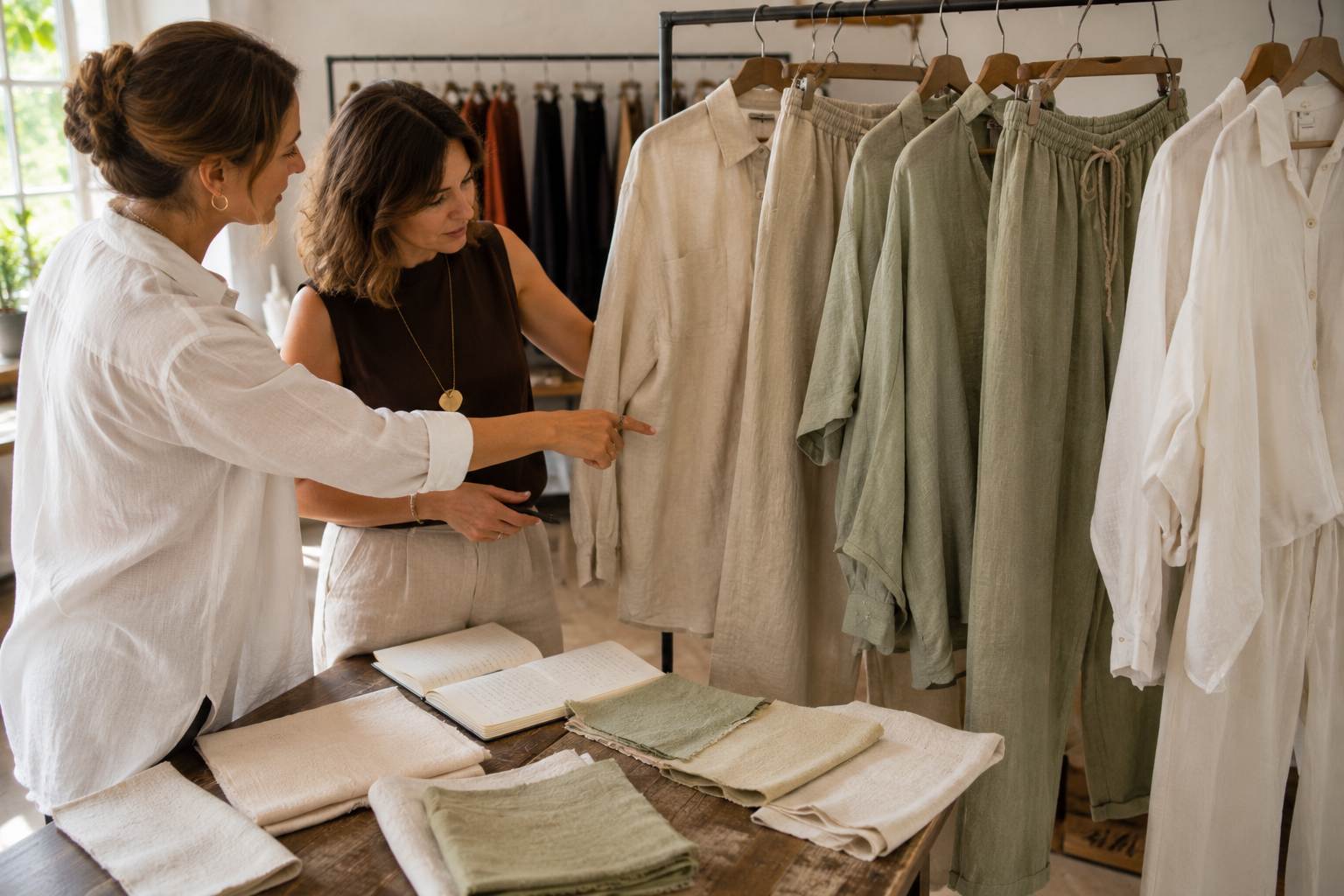
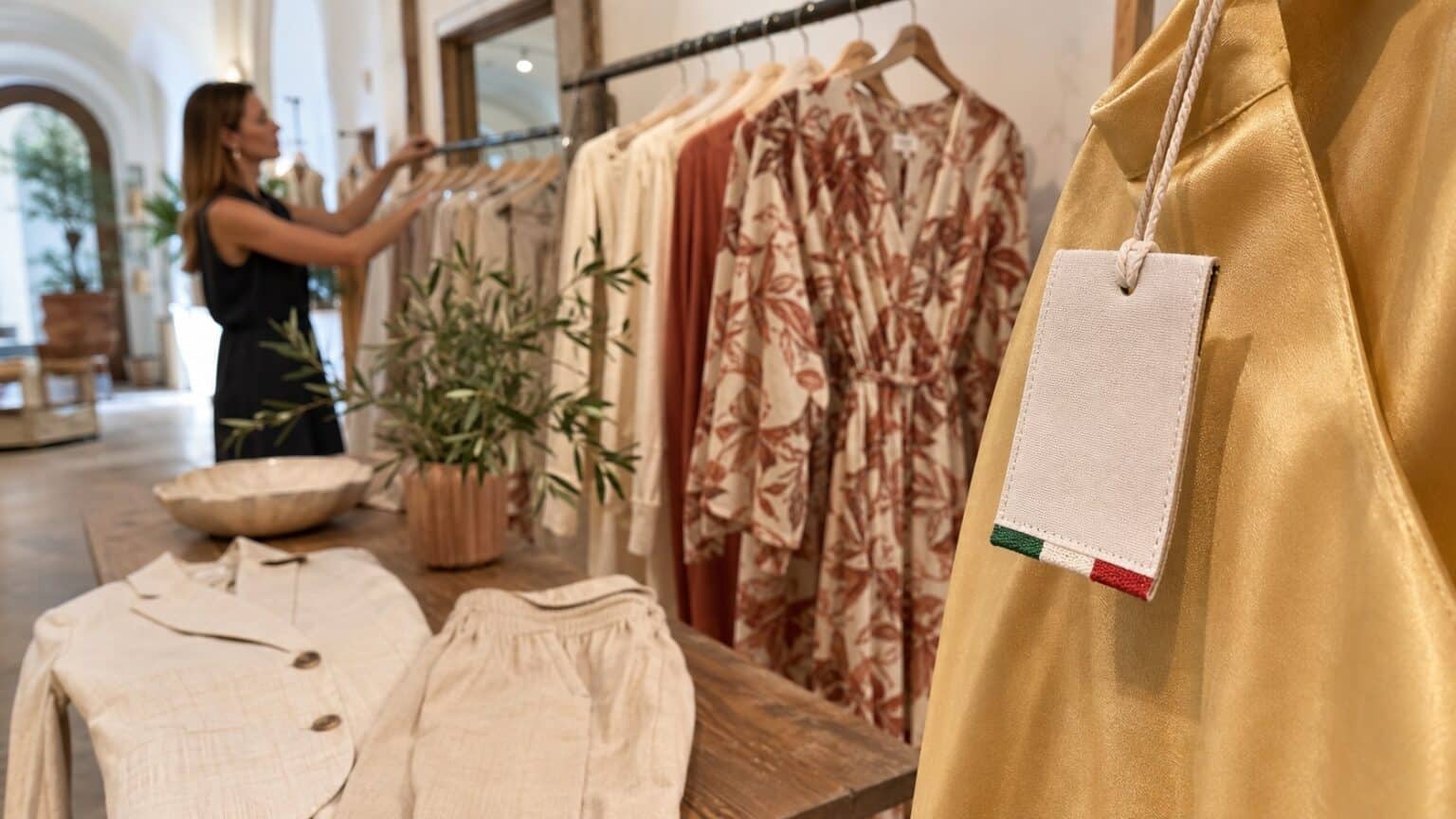
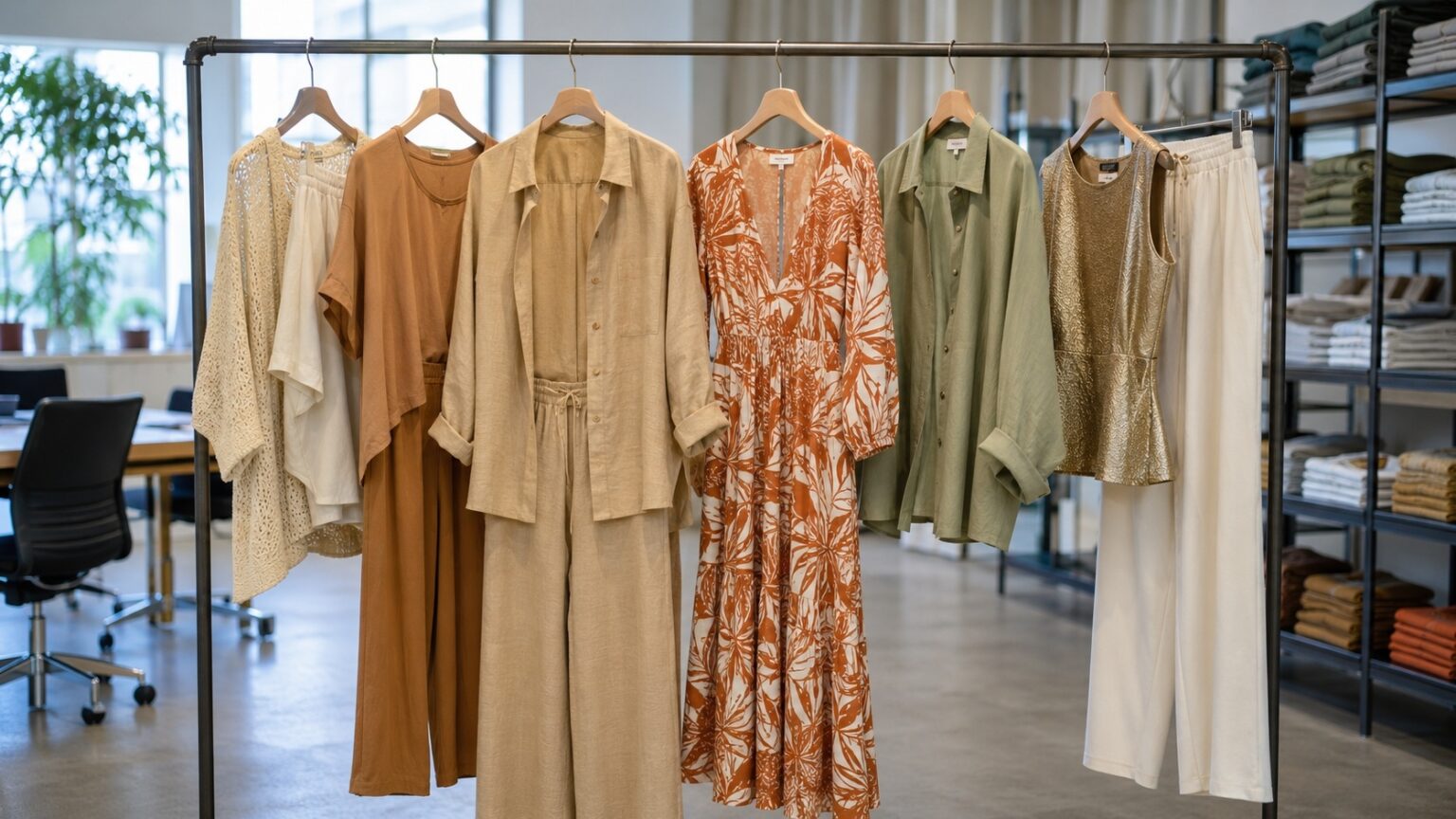
Curated selection of Italian women's fashion wholesale styles on a showroom rail in Prato including linen coords

Insights from the Prato wholesale market

Insights is where we document what we see, learn and think from inside the Italian wholesale market, season after season and showroom after showroom.

Every article in this section is written with a single question in mind: is this genuinely useful to a buyer making real decisions? That means no trend forecasts detached from commercial reality, no generic guides recycled from other markets. What you find here is grounded in what is actually happening in the Prato pronto moda district: which categories are moving, what prices look like, how logistics work, where the margin opportunity is in any given season.

The content covers the full range of what boutique buying from Italy involves: sourcing strategy, pricing and landed cost, supplier access and vetting, seasonal trend intelligence, and the operational mechanics of getting an Italian wholesale order from brief to your warehouse door. There are also case studies documenting real buying projects: actual briefs, actual selections, actual commercial outcomes.

If you are sourcing Italian womenswear wholesale and want substance over style, this is where to start.

If you buy for a store in one of our main markets, start from its page: United Kingdom, United States, Australia or Canada.

Sourcing Strategy

The Last Linen Buy of the Season: How to Time Your Final SS26 Orders Without Overstocking

Late-season buying in wholesale is a different discipline from the initial SS26 session. The range is narrower, the lead time is shorter, and the risk of over-ordering is higher because sell-through data from the first buy is already visible. This article addresses the specific decisions boutique buyers face when considering a final linen and summer fabric order in June and July.

Sourcing Strategy

How to Read Linen Quality at a Glance: What Boutique Buyers Should Check Before Ordering

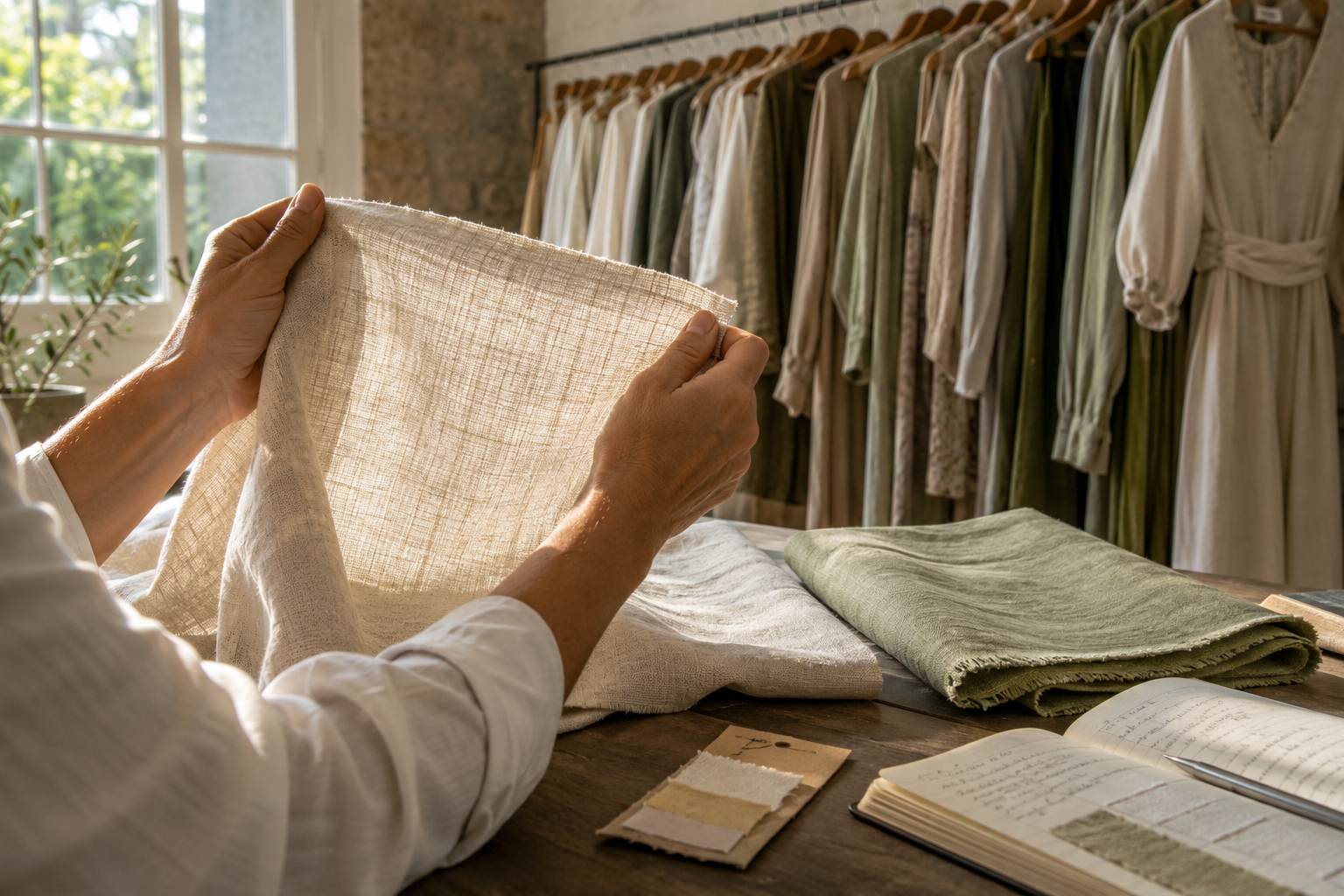
Buying linen wholesale without handling the fabric in person carries real risk. Thread count, weave tightness, yarn origin, and finishing treatments all determine whether a garment performs at retail or ends up on the markdown rack. This article gives boutique buyers a practical framework for evaluating Italian linen quality from showroom photos, video sessions, and supplier samples.

How It Works

How to Buy Clothing from Italy: A Wholesale Buyer’s Complete Guide

This guide is written for boutique owners and multi-brand retailers who want to source women’s ready-to-wear directly from Italy but are not sure where to start. It explains how the Italian wholesale system works, what buyers can realistically expect in terms of minimum orders and pricing, and what the key steps are from first contact with a supplier to receiving the final shipment. The focus is on the Prato wholesale district, which is the largest and most accessible entry point for international buyers sourcing mid-market womenswear. The article also addresses how a sourcing agent can simplify the process for buyers who cannot travel to Italy or who lack direct contacts in the district.

How It Works

Italian Clothing Wholesalers: How to Choose Between a Marketplace, a Showroom and an Agent

International boutique buyers who want to source from Italian clothing wholesalers have three structurally different access routes available to them: online B2B marketplaces that aggregate Italian wholesale stock, direct visits to supplier showrooms in the Prato districts, and buying sessions managed by a local sourcing agent. Each model has a different cost structure, a different level of product access, and a different risk profile. This article compares the three options across the criteria that matter most to boutique buyers, product quality and exclusivity, total cost including service fees, minimum order requirements, logistics management, and the practical requirements on the buyer’s side, to help buyers decide which approach fits their situation.

Sourcing Strategy

Clothes Made in Italy: Why the Origin Still Drives Retail Margin for Independent Boutiques

This article makes the commercial case for sourcing clothes made in Italy, focusing specifically on how the origin designation affects retail pricing, sell-through rates and margin per unit for independent boutiques operating in competitive markets. It is not a cultural argument about Italian craftsmanship, it is a margin mechanics analysis aimed at buyers who need to justify a sourcing decision that is more expensive at the wholesale level than the alternatives. The article addresses how Made in Italy affects the price ceiling a boutique can set, how it influences full-price sell-through, how it compares to commodity wholesale sourcing in net margin terms, and where the commercial case is strongest and weakest by market context.

Trend Report

Italian Women’s Fashion Wholesale: Key Styles Boutiques Are Buying for the Season

This article examines which categories and styles in Italian women’s fashion wholesale are generating the strongest commercial performance for independent boutiques in the current season, and explains the buying logic behind each. Rather than a trend forecast, it is a commercial analysis aimed at buyers who need to make product decisions with sell-through and margin in mind. It covers the five categories showing the strongest full-price performance in the Prato wholesale market, linen coordinates, printed viscose dresses, occasionwear sets, layering pieces and premium jersey, and identifies the specific product characteristics that are driving results for boutique buyers across different international markets.

Sourcing Strategy

How to Negotiate with Italian Fashion Suppliers: Prices, MOQs and Payment Terms

This article gives boutique buyers and emerging brand operators a realistic understanding of what is and is not negotiable when dealing with Italian fashion suppliers in the Prato wholesale district. It explains why the Italian pronto moda market operates differently from other wholesale markets in terms of pricing flexibility, covers the specific areas where experienced buyers can legitimately seek better terms, and describes the relationship dynamics that determine how much leverage a buyer actually has. The article also addresses the difference between negotiating with a wholesale supplier versus a manufacturer, and how an experienced sourcing agent changes the negotiation dynamic in the buyer’s favour.

How It Works

Wholesale Clothing Italy: How Minimum Orders Work and How to Plan Your Budget

This article explains how minimum order requirements work in the Italian wholesale clothing market and gives boutique buyers the tools to plan a session budget that is both realistic and commercially productive. It covers the structure of per-showroom minimums, per-style minimums and the logic behind them, how to allocate a total buying budget across multiple suppliers, and how to account for the full cost of an Italian wholesale clothing order, including logistics and duties, when calculating the landed cost per piece. The article is aimed at buyers who have a defined budget and want to understand how far it goes in the Prato wholesale market.

Sourcing Strategy

Italian Fashion Wholesale Pricing: What Boutique Buyers Actually Pay

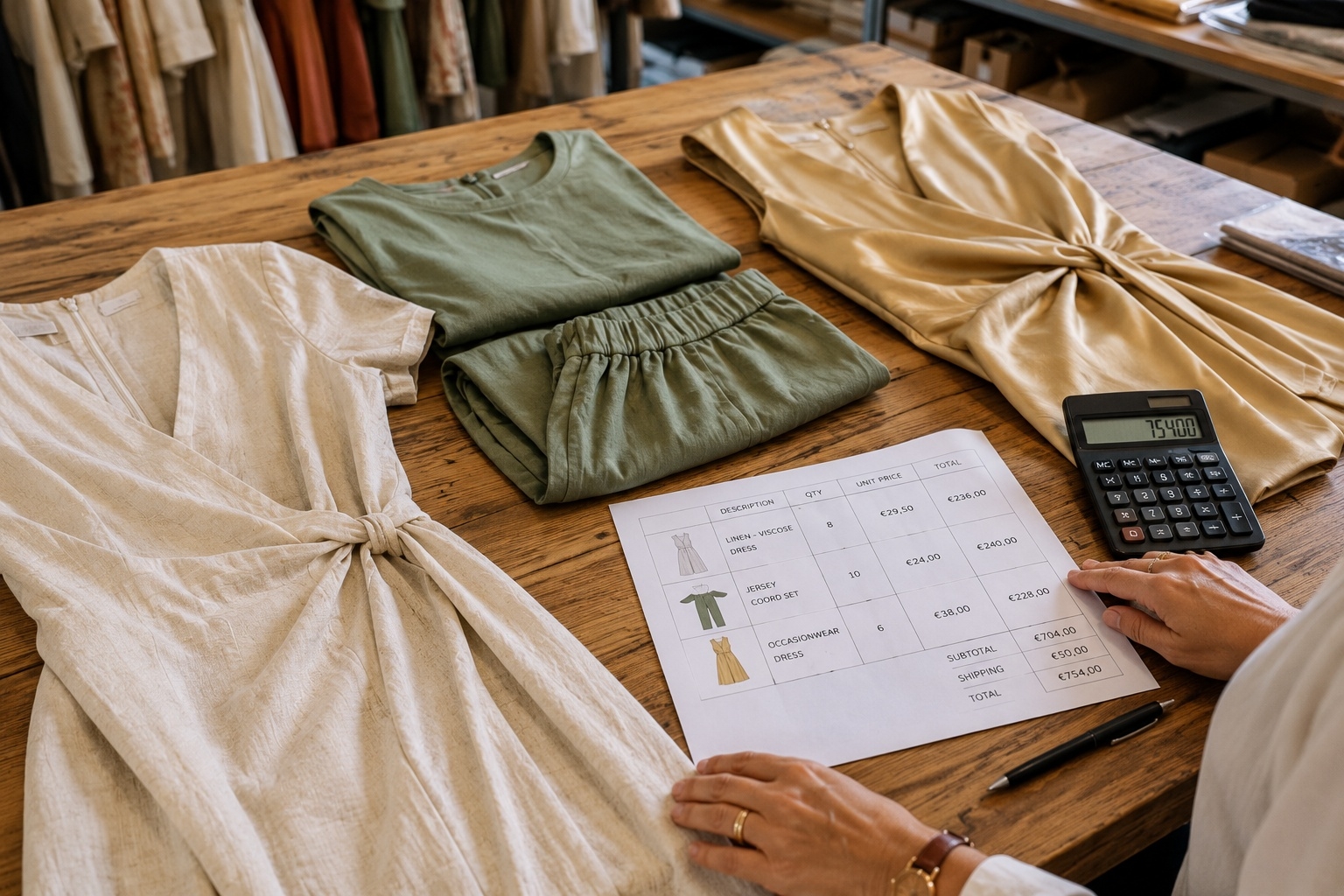
This article breaks down Italian fashion wholesale pricing by product category, giving boutique buyers and independent retailers a realistic picture of what garments cost at wholesale in the Prato district and what retail margins those prices support in different market contexts. It covers the price ranges for the main womenswear categories, linen and linen-blend separates, jersey casualwear, printed viscose styles, occasionwear and coord sets, and explains the variables that move prices within each range. The article also addresses the full landed cost calculation, including logistics, duties and service fees, so that buyers can model their margin before placing an order rather than after.

How It Works

Made in Italy Clothing Brand: How to Launch Your Label with Italian Manufacturers

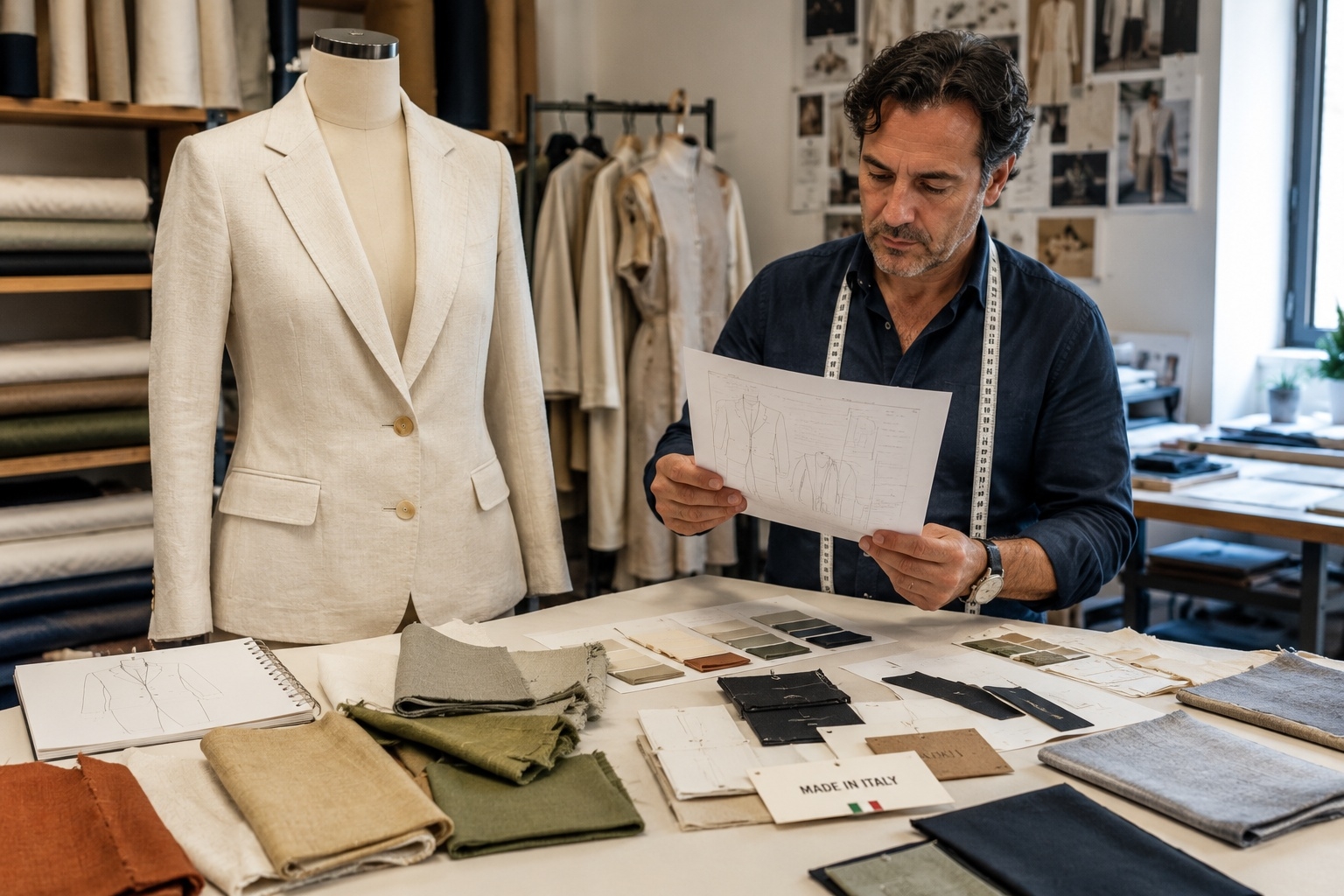
This article is written for boutique owners, independent retailers and emerging entrepreneurs who want to create their own clothing label with Italian manufacturing. It covers what the Made in Italy designation means in commercial and production terms, how the private label production process works from initial brief to finished garment, what the realistic minimum investment and timeline look like, and what distinguishes a well-managed Italian production relationship from one that is likely to go wrong. The article is focused on mid-market womenswear and is oriented toward buyers who may already source Italian wholesale stock but are considering the step into own-label production.

Italian fashion supply, curated and delivered to your inbox.

Join the Insider List

Be the first to access ready-to-wear drops, supplier insights and private label tips. No noise—only what helps your business buy smarter.
Need help?
Chat with us